THE ADVENTURE COLLECTIVE® · Independent discovery and booking for outdoor travel

Spend a full day exploring Hakone and Mount Fuji: a lakeside torii, a themed cruise across Lake Ashi, a panoramic ropeway up to Owakudani’s volcanic vents, and the clear spring pools of Oshino Hakkai. This practical guide covers what to expect and how to prepare.
Spend a full day exploring Hakone and Mount Fuji: a lakeside torii, a themed cruise across Lake Ashi, a panoramic ropeway up to Owakudani’s volcanic vents, and the clear spring pools of Oshino Hakkai. This practical guide covers what to expect and how to prepare.
Morning light breaks across Tokyo as a coach threads west toward steam, lake, and stone—by midmorning the air shifts from city hum to cedar-shaded roads that open onto Lake Ashi.
Verified experiences and guided adventures in the surrounding area.
Operated by Trevopedia Wonders · Hakone, Kanagawa
Morning light breaks across Tokyo as a coach threads west toward steam, lake, and stone—by midmorning the air shifts from city hum to cedar-shaded roads that open onto Lake Ashi.
Visitors step ashore beneath the vermilion Heiwa no Torii and feel a scene that's part ritual, part panorama: the torii frames water that reflects weather and, on clear days, the precise cone of Mount Fuji. The pirate ship ride across Lake Ashi gives a theatrical vantage; the ropeway then ascends into the sulfur-scented Owakudani valley where fumaroles push steam skyward and volcanic rock wears a raw, ruddy face.
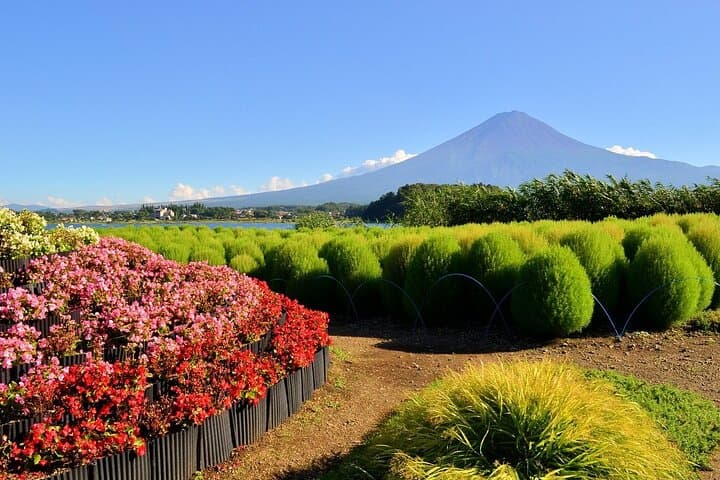
This loop—Hakone Shrine, Lake Ashi, Hakone Ropeway to Owakudani, then Lake Yamanaka and the spring pools of Oshino Hakkai—mixes cultural history (Hakone Shrine dates to the 8th century) with visible geology (Fuji’s eruptions and pyroclastic flows shaped local basins). Swans patrol Yamanaka’s edges and crystal springs at Oshino Hakkai are filtered meltwater from Mount Fuji itself.
Practical edge: expect a full day (9–10 hours) on a shared coach with short walks, stair sections at shrines and viewing platforms, and moderate altitude changes on the ropeway. Weather can hide Fuji—book early in the morning or check local forecast windows for the best visibility. Bring layered clothing for smoky, windy Owakudani and sturdy shoes for mixed paved and natural surfaces. Carry cash for small shrine offerings, local snacks, and the occasional shop; bottled water and a lightweight daypack will keep the day moving comfortably.
easy.
9–10 hours.
Suitable for travelers in average fitness; includes short walks, steps, and standing on boats/ropeways
The tour runs approximately 9–10 hours with meet-up options in Tokyo at Tokyo Station (7:30) or Shinjuku (8:00).
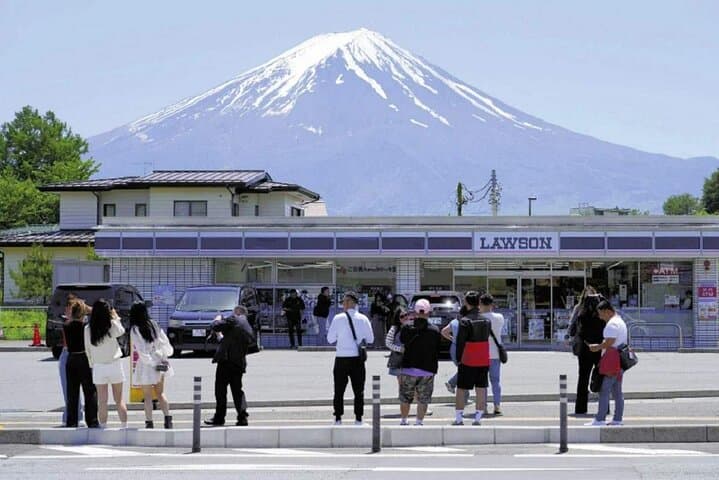
No—visibility depends on weather; mornings offer the best chance, but clouds can obscure the peak any time of year.
The ropeway is wheelchair-accessible though Owakudani’s paths may be uneven; check accessibility specifics with the operator before booking.
Yes, the spring pools are famous for clear, filtered meltwater—locals often sample it, but use caution and follow posted guidelines.
Hakone Shrine dates back to 757 and grew in prominence as a spiritual site for travelers and military commanders; the region’s roads were historically strategic routes connecting Edo (Tokyo) to western provinces.
Owakudani’s geothermal features are fragile and occasionally closed for safety; stick to marked paths, avoid feeding wildlife, and use designated rest areas to reduce erosion and litter.
Trevopedia Wonders operates guided outdoor trips and adventures with an emphasis on safety, stewardship, and memorable experiences.


Morning light breaks across Tokyo as a coach threads west toward steam, lake, and stone—by midmorning the air shifts from city hum to cedar-shaded roads that open onto Lake Ashi.
Morning light breaks across Tokyo as a coach threads west toward steam, lake, and stone—by midmorning the air shifts from city hum to cedar-shaded roads that open onto Lake Ashi.
Visitors step ashore beneath the vermilion Heiwa no Torii and feel a scene that's part ritual, part panorama: the torii frames water that reflects weather and, on clear days, the precise cone of Mount Fuji. The pirate ship ride across Lake Ashi gives a theatrical vantage; the ropeway then ascends into the sulfur-scented Owakudani valley where fumaroles push steam skyward and volcanic rock wears a raw, ruddy face.
This loop—Hakone Shrine, Lake Ashi, Hakone Ropeway to Owakudani, then Lake Yamanaka and the spring pools of Oshino Hakkai—mixes cultural history (Hakone Shrine dates to the 8th century) with visible geology (Fuji’s eruptions and pyroclastic flows shaped local basins). Swans patrol Yamanaka’s edges and crystal springs at Oshino Hakkai are filtered meltwater from Mount Fuji itself.
Practical edge: expect a full day (9–10 hours) on a shared coach with short walks, stair sections at shrines and viewing platforms, and moderate altitude changes on the ropeway. Weather can hide Fuji—book early in the morning or check local forecast windows for the best visibility. Bring layered clothing for smoky, windy Owakudani and sturdy shoes for mixed paved and natural surfaces. Carry cash for small shrine offerings, local snacks, and the occasional shop; bottled water and a lightweight daypack will keep the day moving comfortably.