THE ADVENTURE COLLECTIVE® · Independent discovery and booking for outdoor travel

Ascend to Mount Fuji’s Fifth Station, ride the Hakone Ropeway over steaming Ōwakudani, cruise Lake Ashinoko on a pirate ship and shop at Gotemba Premium Outlets—all in one long day from Tokyo. Expect variable weather, short photo stops, and about 9–10 hours of travel and sightseeing.
Ascend to Mount Fuji’s Fifth Station, ride the Hakone Ropeway over steaming Ōwakudani, cruise Lake Ashinoko on a pirate ship and shop at Gotemba Premium Outlets—all in one long day from Tokyo. Expect variable weather, short photo stops, and about 9–10 hours of travel and sightseeing.
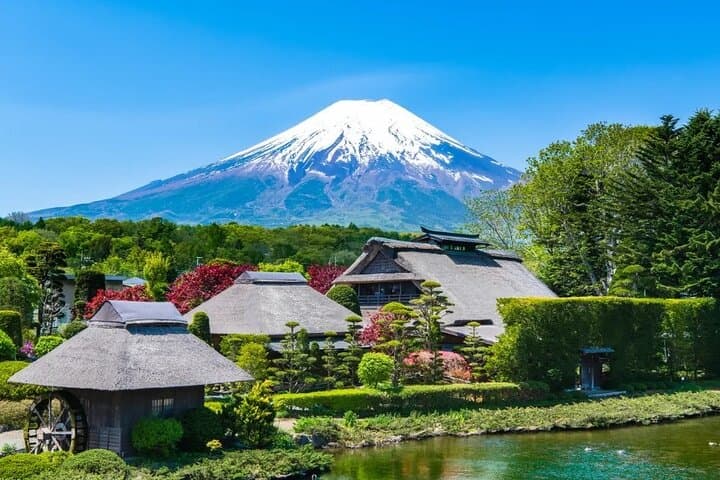
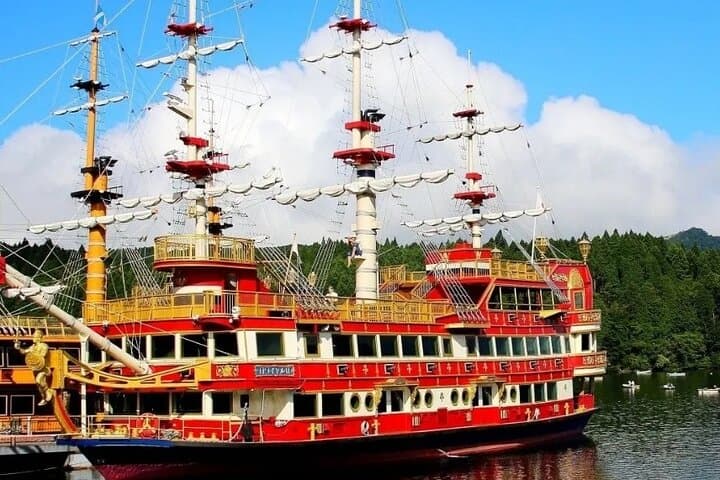
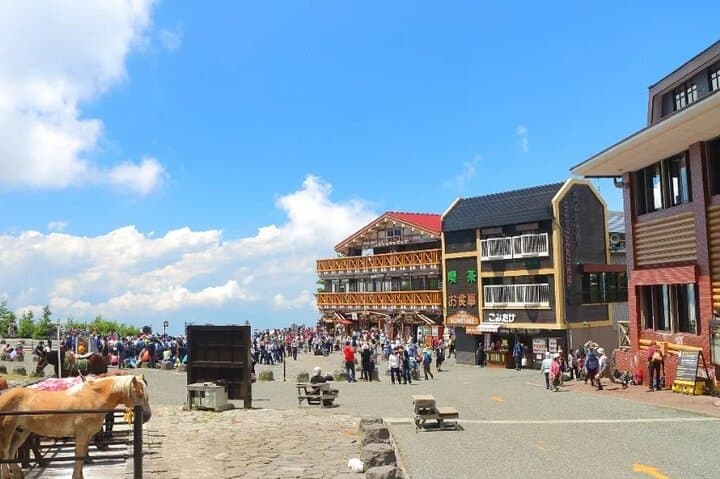
You step off the coach at the Fifth Station and the air is thinner, sharper—Mount Fuji looms above while a sea of clouds pools below. Cameras click; groups fan out along short viewing platforms. Later the day shifts tone: designer flags flutter at Gotemba Premium Outlets, sulfur steam hisses in Ōwakudani, and a pirate ship slices across the glassy surface of Lake Ashinoko.
Verified experiences and guided adventures in the surrounding area.
Operated by Trevopedia Wonders · Hakone, Kanagawa
You step off the coach at the Fifth Station and the air is thinner, sharper—Mount Fuji looms above while a sea of clouds pools below. Cameras click; groups fan out along short viewing platforms. Later the day shifts tone: designer flags flutter at Gotemba Premium Outlets, sulfur steam hisses in Ōwakudani, and a pirate ship slices across the glassy surface of Lake Ashinoko.
Mount Fuji is an active stratovolcano whose layers of lava and ash sculpted the central Honshu skyline over millennia. The Ōwakudani Valley was formed by the Hakone volcanic system; its fumaroles still tint rocks yellow and cook the famous kuro-tamago (black eggs). Hakone itself grew as an onsen and post-town corridor on routes linking Edo (Tokyo) to western Japan, and modern Gotemba evolved into an open-air shopping magnet with clear mountain views.
Practical guide: the full excursion runs about 9–10 hours from Tokyo (Shinjuku departure), so expect long coach transfers and short stops—typical stays: ~2–3 hours at Gotemba, ~90–120 minutes across Hakone ropeway and cruise, ~2–3 hours at Fuji’s Fifth Station (season-dependent). Fifth Station often closes mid-December to late March; tours substitute nearby snow areas then. Dress in layers (temperatures at 2,300 m can be 5–10°C colder than Tokyo), carry a windproof shell, and keep a charged camera ready for fleeting clear views. The tour is wheelchair- and stroller-accessible in most parts, but road or weather closures can alter the itinerary. Bring patience—visibility is weather-dependent—but the sequence of volcanic geology, lakeside calm, and alpine air makes this a compact introduction to greater Tokyo’s wild edges.
easy.
9–10 hours.
Suitable for most fitness levels; involves short walks, stairs, and standing during viewpoints and boat ramps.
No—visibility depends on weather and season; clear mornings in late autumn and winter historically offer the best chances, but clouds often obscure the peak.
Yes—most transport and stops are wheelchair- and stroller-accessible, but only foldable wheelchairs can be stored on the bus and some areas have steps.
From mid-December to late March, the Fifth Station may close; tours usually substitute a snow area at Mt. Fuji Second Station or Oshino Hakkai instead.
A boxed lunch option and ropeway/cruise admissions are included if selected; check booking details—special meal requests are not accommodated.
Hakone developed as a strategic post-town on routes between Edo and Kyoto; the area’s hot springs and volcanic activity have shaped local settlement and industry for centuries.
Visitors should stick to marked paths and avoid feeding wildlife; Hakone and Fuji have fragile alpine and wetland habitats where litter and trampling impact native flora.
Trevopedia Wonders operates guided outdoor trips and adventures with an emphasis on safety, stewardship, and memorable experiences.
You step off the coach at the Fifth Station and the air is thinner, sharper—Mount Fuji looms above while a sea of clouds pools below. Cameras click; groups fan out along short viewing platforms. Later the day shifts tone: designer flags flutter at Gotemba Premium Outlets, sulfur steam hisses in Ōwakudani, and a pirate ship slices across the glassy surface of Lake Ashinoko.
You step off the coach at the Fifth Station and the air is thinner, sharper—Mount Fuji looms above while a sea of clouds pools below. Cameras click; groups fan out along short viewing platforms. Later the day shifts tone: designer flags flutter at Gotemba Premium Outlets, sulfur steam hisses in Ōwakudani, and a pirate ship slices across the glassy surface of Lake Ashinoko.
Mount Fuji is an active stratovolcano whose layers of lava and ash sculpted the central Honshu skyline over millennia. The Ōwakudani Valley was formed by the Hakone volcanic system; its fumaroles still tint rocks yellow and cook the famous kuro-tamago (black eggs). Hakone itself grew as an onsen and post-town corridor on routes linking Edo (Tokyo) to western Japan, and modern Gotemba evolved into an open-air shopping magnet with clear mountain views.
Practical guide: the full excursion runs about 9–10 hours from Tokyo (Shinjuku departure), so expect long coach transfers and short stops—typical stays: ~2–3 hours at Gotemba, ~90–120 minutes across Hakone ropeway and cruise, ~2–3 hours at Fuji’s Fifth Station (season-dependent). Fifth Station often closes mid-December to late March; tours substitute nearby snow areas then. Dress in layers (temperatures at 2,300 m can be 5–10°C colder than Tokyo), carry a windproof shell, and keep a charged camera ready for fleeting clear views. The tour is wheelchair- and stroller-accessible in most parts, but road or weather closures can alter the itinerary. Bring patience—visibility is weather-dependent—but the sequence of volcanic geology, lakeside calm, and alpine air makes this a compact introduction to greater Tokyo’s wild edges.