THE ADVENTURE COLLECTIVE® · Independent discovery and booking for outdoor travel

Drive from Syracuse to the slopes of Mount Etna for a day that pairs volcanic trekking with local wine tasting. Explore craters, lava caves and Etna’s nature park before sampling wines grown on volcanic soils.
Drive from Syracuse to the slopes of Mount Etna for a day that pairs volcanic trekking with local wine tasting. Explore craters, lava caves and Etna’s nature park before sampling wines grown on volcanic soils.
You step out of the minivan and the air changes — salt from the coast gives way to dry, mineral-scented wind and the black shoulders of lava fields. Trails cut through brittle pahoehoe and jagged blocks as the guide points to old craters, the ridgelines scored by past eruptions. The sky feels closer here, and the volcano keeps its slow, patient watch.
Verified experiences and guided adventures in the surrounding area.
Operated by EtnaTribe · Nicolosi, Sicily
You step out of the minivan and the air changes — salt from the coast gives way to dry, mineral-scented wind and the black shoulders of lava fields. Trails cut through brittle pahoehoe and jagged blocks as the guide points to old craters, the ridgelines scored by past eruptions. The sky feels closer here, and the volcano keeps its slow, patient watch.
Mount Etna is the highest active volcano in Europe, shaped by repeated eruptions that created fields of basalt, ash terraces, and caves carved by cooling flows. Etna Park, created in 1987 and a UNESCO World Heritage site since 2013, protects unique agricultural traditions: terraced vineyards and centuries-old mills you’ll pass en route. Local culture blends volcanic agriculture — vine rows that thrive on mineral soils — with small mountain towns where wine and granita are regional signatures.
On this outing expect a mix of terrain: compacted service roads, loose volcanic scree, and short, rocky footpaths. The route reaches Etna Nature Park around 1,900–2,500 m depending on cableway and bus access, so pack for altitude and rapid weather shifts. You’ll visit lava caves (bring a headlamp if you prefer close exploration), stand by extinct craters, and finish with a tasting of Etna wines — minerally, high-acid reds and fragrant whites grown on volcanic slopes.
Practical edge: sturdy footwear, layered insulation, sun protection, and at least 1–1.5 liters of water are essential. The operator provides transfers from Syracuse, multilingual guides, cave kits, and food sampling. Weather and volcanic activity can alter access; flexibility and an early start make for the clearest views and a more comfortable day on the mountain.
moderate.
9 hours.
Moderately fit: able to walk on uneven volcanic terrain and tolerate short uphill sections at altitude.
The full experience runs about 9 hours, departing from Syracuse by shuttle minivan—meeting typically in front of the designated church in town.
Infants and small children can use specialized seats; however it is not recommended for travelers with spinal injuries due to bumpier off-road sections.
Transfers, a multilingual guide, cave visit kit, wine tasting, and food sampling are included; cableway or off-road bus access is part of the planned itinerary but can depend on conditions.
Yes—operators may cancel or alter the route for safety. For a full refund cancel at least 24 hours prior under the operator’s policy.
Etna has shaped local settlement and agriculture for millennia; Etna Park was created in 1987 and declared a UNESCO site in 2013.
Stay on marked trails to protect fragile pioneer vegetation and prevent erosion; support local producers who use sustainable viticulture on volcanic soils.
EtnaTribe operates guided outdoor trips and adventures with an emphasis on safety, stewardship, and memorable experiences.

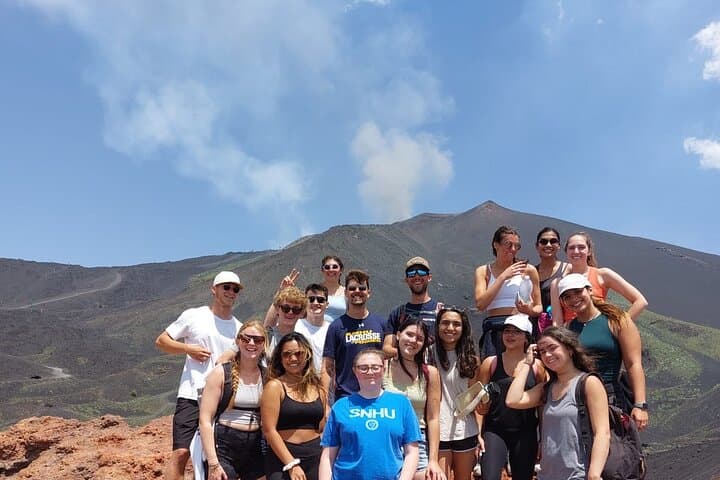
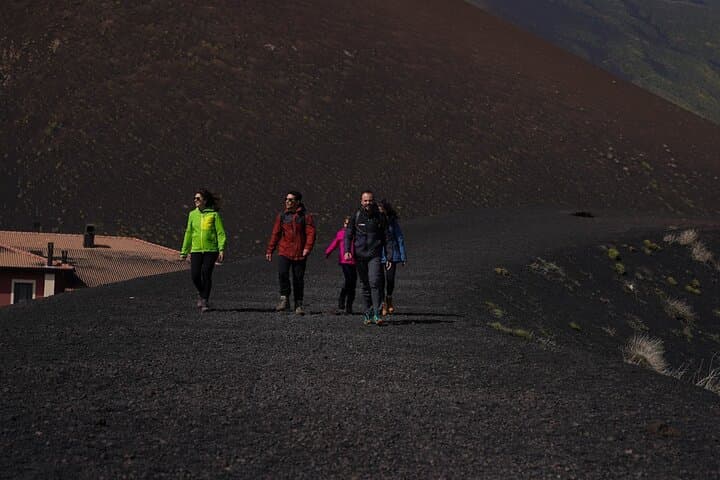
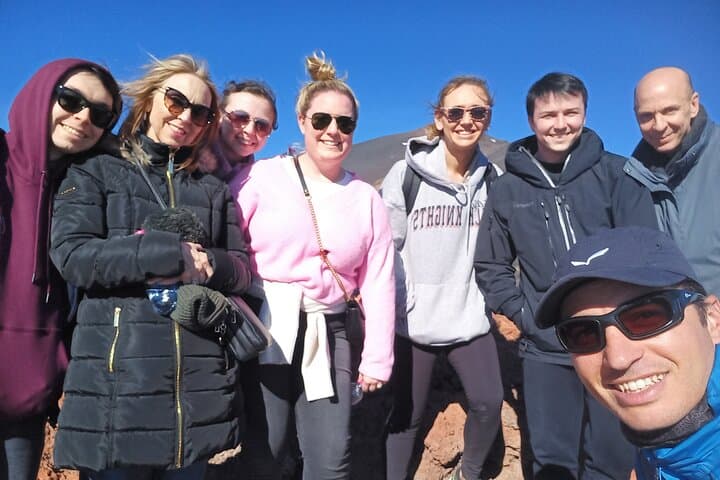
You step out of the minivan and the air changes — salt from the coast gives way to dry, mineral-scented wind and the black shoulders of lava fields. Trails cut through brittle pahoehoe and jagged blocks as the guide points to old craters, the ridgelines scored by past eruptions. The sky feels closer here, and the volcano keeps its slow, patient watch.
You step out of the minivan and the air changes — salt from the coast gives way to dry, mineral-scented wind and the black shoulders of lava fields. Trails cut through brittle pahoehoe and jagged blocks as the guide points to old craters, the ridgelines scored by past eruptions. The sky feels closer here, and the volcano keeps its slow, patient watch.
Mount Etna is the highest active volcano in Europe, shaped by repeated eruptions that created fields of basalt, ash terraces, and caves carved by cooling flows. Etna Park, created in 1987 and a UNESCO World Heritage site since 2013, protects unique agricultural traditions: terraced vineyards and centuries-old mills you’ll pass en route. Local culture blends volcanic agriculture — vine rows that thrive on mineral soils — with small mountain towns where wine and granita are regional signatures.
On this outing expect a mix of terrain: compacted service roads, loose volcanic scree, and short, rocky footpaths. The route reaches Etna Nature Park around 1,900–2,500 m depending on cableway and bus access, so pack for altitude and rapid weather shifts. You’ll visit lava caves (bring a headlamp if you prefer close exploration), stand by extinct craters, and finish with a tasting of Etna wines — minerally, high-acid reds and fragrant whites grown on volcanic slopes.
Practical edge: sturdy footwear, layered insulation, sun protection, and at least 1–1.5 liters of water are essential. The operator provides transfers from Syracuse, multilingual guides, cave kits, and food sampling. Weather and volcanic activity can alter access; flexibility and an early start make for the clearest views and a more comfortable day on the mountain.