THE ADVENTURE COLLECTIVE® · Independent discovery and booking for outdoor travel

Spend a half day on Mount Etna exploring Silvestri Craters, descending a lava cave with headlamps, and sampling local honey and olive oil. This guided small-group tour combines geology, short hikes on volcanic terrain, and Sicilian flavors.
Spend a half day on Mount Etna exploring Silvestri Craters, descending a lava cave with headlamps, and sampling local honey and olive oil. This guided small-group tour combines geology, short hikes on volcanic terrain, and Sicilian flavors.
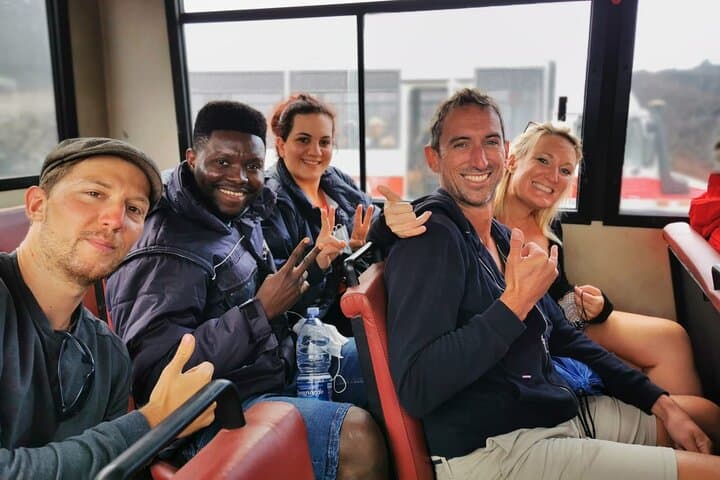
You start on a road that climbs from the citrus groves toward a stark, blackened skyline — the slopes of Etna rising like a living map of eruptions. By the time the bus drops you near the Sapienza Refuge, wind and keening rock set the tone: this is an active volcano that shapes both land and local life.
Verified experiences and guided adventures in the surrounding area.
Operated by EtnaTribe · Catania, Sicily
You start on a road that climbs from the citrus groves toward a stark, blackened skyline — the slopes of Etna rising like a living map of eruptions. By the time the bus drops you near the Sapienza Refuge, wind and keening rock set the tone: this is an active volcano that shapes both land and local life.
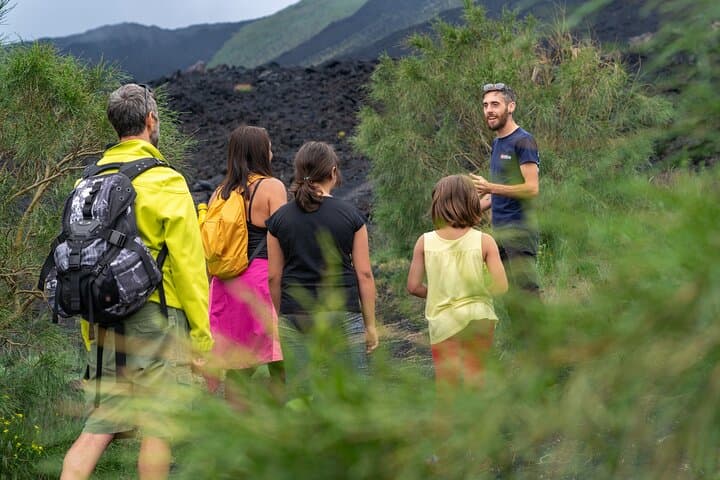
The route leads past the Silvestri Craters, round bowls rimmed with compacted ash and hardened lava flows where the geology reads like a fast-forwarded history of fire. Your guide explains Etna’s layered eruptions, the alternating slow lava and sudden explosive vents, and how volcanic soil feeds vineyards and olive groves below. A short cave descent with helmets and headlamps opens a different world — cooled lava tubes where textures and formations preserve molten movement.
Culture and flavor appear at a family-run products stop on the lower slopes: thick honey, early-pressed olive oil and citrus notes that owe their intensity to volcanic minerals.
Practicalities: expect roughly 6–7 hours including transfers, short hikes on uneven volcanic scree and optional altitude sections; trails are rocky and loose underfoot. Layers are essential — temperatures vary quickly with elevation and wind. Bring water, sturdy hiking shoes, and a camera with fast shutter speeds for low-contrast vistas.
This half-day trip suits anyone comfortable walking on rough ground and curious about geology and regional foodways. It’s compact, sensory, and grounded in real volcanic landscape — a short but concentrated way to meet Etna’s raw character.
moderate.
6–7 hours.
Good for travelers able to walk short distances on uneven, steep volcanic terrain; basic cardio and balance recommended
You can expect several short hikes totaling about 1–2 hours on uneven volcanic paths, plus time at viewpoints and the cave visit.
Children can visit if accompanied; helmets and lamps are provided, though small passages may be tight — check with the operator about age limits.
Yes — the itinerary includes a 30–45 minute stop at a local products farm or shop for sampling honey, olive oil, and other specialties.
No technical experience required, but you should be comfortable walking on loose rock and short steep sections at altitude.
Etna has been erupting for hundreds of thousands of years; local communities have adapted agriculture and architecture around repeated lava flows.
Stay on marked paths to avoid fragile lichens and recent flows; local guides encourage leaving no trace and supporting family-run producers.
EtnaTribe operates guided outdoor trips and adventures with an emphasis on safety, stewardship, and memorable experiences.


You start on a road that climbs from the citrus groves toward a stark, blackened skyline — the slopes of Etna rising like a living map of eruptions. By the time the bus drops you near the Sapienza Refuge, wind and keening rock set the tone: this is an active volcano that shapes both land and local life.
You start on a road that climbs from the citrus groves toward a stark, blackened skyline — the slopes of Etna rising like a living map of eruptions. By the time the bus drops you near the Sapienza Refuge, wind and keening rock set the tone: this is an active volcano that shapes both land and local life.
The route leads past the Silvestri Craters, round bowls rimmed with compacted ash and hardened lava flows where the geology reads like a fast-forwarded history of fire. Your guide explains Etna’s layered eruptions, the alternating slow lava and sudden explosive vents, and how volcanic soil feeds vineyards and olive groves below. A short cave descent with helmets and headlamps opens a different world — cooled lava tubes where textures and formations preserve molten movement.
Culture and flavor appear at a family-run products stop on the lower slopes: thick honey, early-pressed olive oil and citrus notes that owe their intensity to volcanic minerals.
Practicalities: expect roughly 6–7 hours including transfers, short hikes on uneven volcanic scree and optional altitude sections; trails are rocky and loose underfoot. Layers are essential — temperatures vary quickly with elevation and wind. Bring water, sturdy hiking shoes, and a camera with fast shutter speeds for low-contrast vistas.
This half-day trip suits anyone comfortable walking on rough ground and curious about geology and regional foodways. It’s compact, sensory, and grounded in real volcanic landscape — a short but concentrated way to meet Etna’s raw character.