THE ADVENTURE COLLECTIVE® · Independent discovery and booking for outdoor travel

Hike across volcanic slopes, enter a lava cave with helmets and lamps, then finish with a tasting at an Etna winery. This full-day tour from Catania pairs geology, easy trekking and local wine for a compact, active experience.
Hike across volcanic slopes, enter a lava cave with helmets and lamps, then finish with a tasting at an Etna winery. This full-day tour from Catania pairs geology, easy trekking and local wine for a compact, active experience.
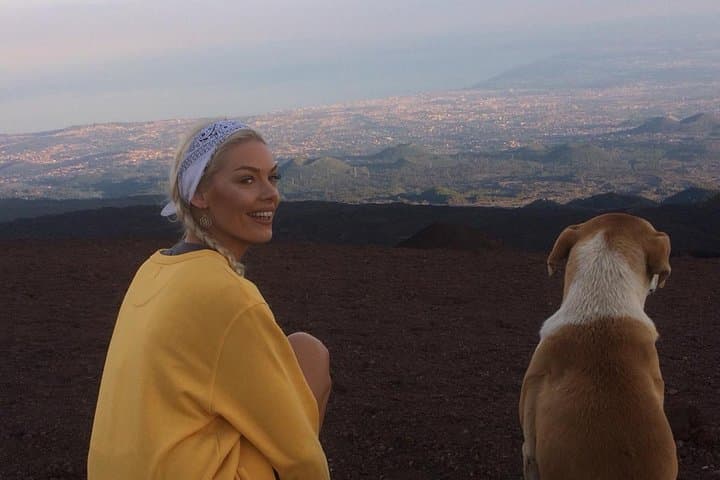
You step off the shuttle into a thin, wind-swept air and the slope of Europe’s highest active volcano rises ahead—dark basalt under a sky that changes fast. Loose scree crunches underfoot as the guide points toward old craters and a ribbon of hardened lava that still holds heat in its bones. The trail alternates between packed dirt, volcanic gravel and short bands of lava rock, and the mountain seems to push back and offer views in exchange for steady steps.
Verified experiences and guided adventures in the surrounding area.
Operated by EtnaTribe · Catania, Sicily
You step off the shuttle into a thin, wind-swept air and the slope of Europe’s highest active volcano rises ahead—dark basalt under a sky that changes fast. Loose scree crunches underfoot as the guide points toward old craters and a ribbon of hardened lava that still holds heat in its bones. The trail alternates between packed dirt, volcanic gravel and short bands of lava rock, and the mountain seems to push back and offer views in exchange for steady steps.
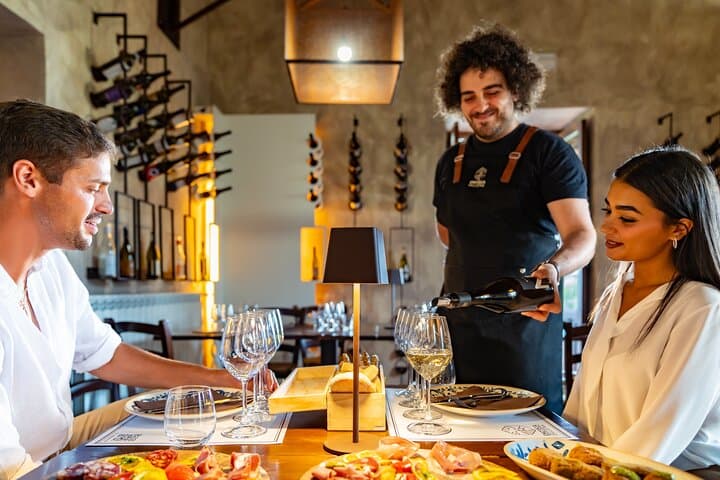
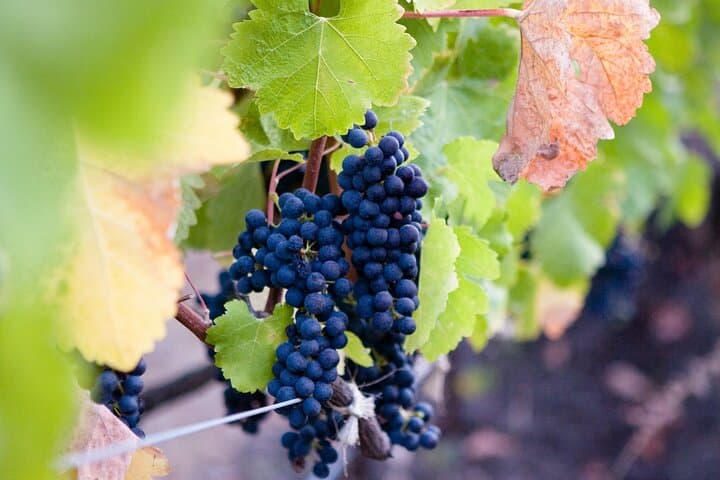
Geology here is recent and loud: Etna’s eruptions have shaped terraces, created caves and scattered black rock across the flanks. Cultural threads are close at hand—wine growers have coaxed vines from volcanic ash for centuries, producing Etna Rosso and white wines with mineral-driven acidity. The day’s itinerary typically combines easy-to-moderate trekking to silvestri craters, a guided walk through a lava tube with helmets and lamps, and a final tasting at a local winery where you sample labels grown on volcanic soils.
Expect roughly 8 hours total, with multiple short walks totaling a few miles and uneven terrain underfoot. Dress in layers, wear sturdy trail shoes, and bring water—sun and wind can alternate rapidly. Plan for variable weather at elevation: mornings are cooler, afternoons can be gusty.
Practical notes: pick tours that include a multilingual guide and safety equipment for cave visits; if you have breathing or mobility issues, check accessibility before booking. The route is suited to travelers looking for a day of active exploration paired with regional food culture—an efficient way to feel the force of Etna and taste the land it built.
moderate.
8 hours.
Suitable for travelers in reasonably good health who can handle several short hikes on uneven volcanic terrain.
The tour lasts about 8 hours total with several short hikes adding up to a few miles; most walks are 30–60 minutes between stops.
Children can enter with helmets and lamps but must be supervised closely; age or size limits may apply so check with the operator.
No technical experience is required, but you should be comfortable on uneven terrain and able to walk on loose gravel.
Yes; the standard tour includes a visit to a winery and wine sampling as listed in the inclusions.
Etna has been erupting for millennia and has long shaped local agriculture; viticulture on its slopes dates back to ancient Greek and Roman times.
Stay on marked paths to avoid disturbing fragile new vegetation on lava flows; local operators often limit group sizes to reduce erosion and impact.
EtnaTribe operates guided outdoor trips and adventures with an emphasis on safety, stewardship, and memorable experiences.

You step off the shuttle into a thin, wind-swept air and the slope of Europe’s highest active volcano rises ahead—dark basalt under a sky that changes fast. Loose scree crunches underfoot as the guide points toward old craters and a ribbon of hardened lava that still holds heat in its bones. The trail alternates between packed dirt, volcanic gravel and short bands of lava rock, and the mountain seems to push back and offer views in exchange for steady steps.
You step off the shuttle into a thin, wind-swept air and the slope of Europe’s highest active volcano rises ahead—dark basalt under a sky that changes fast. Loose scree crunches underfoot as the guide points toward old craters and a ribbon of hardened lava that still holds heat in its bones. The trail alternates between packed dirt, volcanic gravel and short bands of lava rock, and the mountain seems to push back and offer views in exchange for steady steps.
Geology here is recent and loud: Etna’s eruptions have shaped terraces, created caves and scattered black rock across the flanks. Cultural threads are close at hand—wine growers have coaxed vines from volcanic ash for centuries, producing Etna Rosso and white wines with mineral-driven acidity. The day’s itinerary typically combines easy-to-moderate trekking to silvestri craters, a guided walk through a lava tube with helmets and lamps, and a final tasting at a local winery where you sample labels grown on volcanic soils.
Expect roughly 8 hours total, with multiple short walks totaling a few miles and uneven terrain underfoot. Dress in layers, wear sturdy trail shoes, and bring water—sun and wind can alternate rapidly. Plan for variable weather at elevation: mornings are cooler, afternoons can be gusty.
Practical notes: pick tours that include a multilingual guide and safety equipment for cave visits; if you have breathing or mobility issues, check accessibility before booking. The route is suited to travelers looking for a day of active exploration paired with regional food culture—an efficient way to feel the force of Etna and taste the land it built.