THE ADVENTURE COLLECTIVE® · Independent discovery and booking for outdoor travel

Spend 75 minutes under the Aoraki Mackenzie Dark Sky Reserve with powerful telescopes and expert guides. See planets, nebulae and the Milky Way framed by the Southern Alps and learn the science and stories behind the stars.
Spend 75 minutes under the Aoraki Mackenzie Dark Sky Reserve with powerful telescopes and expert guides. See planets, nebulae and the Milky Way framed by the Southern Alps and learn the science and stories behind the stars.
The first chill of evening bites as guides lead the group away from artificial glow and the Southern Alps open like a dark curtain. Above, the Milky Way pours across the sky, and Aoraki’s snow-capped ridges frame constellations with alpine clarity. Guides set up 9.25" telescopes and point out planets, star clusters and nebulae; they switch between science and myth, giving the night both context and story.
Verified experiences and guided adventures in the surrounding area.
Operated by Go Tekapo · Mount Cook Village, Canterbury
The first chill of evening bites as guides lead the group away from artificial glow and the Southern Alps open like a dark curtain. Above, the Milky Way pours across the sky, and Aoraki’s snow-capped ridges frame constellations with alpine clarity. Guides set up 9.25" telescopes and point out planets, star clusters and nebulae; they switch between science and myth, giving the night both context and story.
This experience takes place in the Aoraki Mackenzie Dark Sky Reserve, a UNESCO-recognized area prized for minimal light pollution and crisp southern-hemisphere views. Geologically, Mount Cook’s glaciers and rock faces are young on a mountain timescale, their presence sharpening the horizon and giving the sky a stark foreground. Culturally, guides often weave Māori star lore alongside modern astronomy, linking navigation and seasonal rhythms to the constellations overhead.
The tour lasts about 75 minutes and is optimized for clear nights; guides can photograph participants beneath the Milky Way when conditions allow. Expect short periods standing outdoors, brief telescope sessions, and conversational stops rather than a continuous lecture.
Practical notes: dress in warm, windproof layers and insulated footwear—temperatures drop quickly after sunset. Use red-light settings on headlamps or phones to preserve night vision. If you plan to photograph the sky, bring a tripod and ask guides about best camera settings before the session begins. Tours can be canceled for poor weather; check local forecasts and allow extra travel time on icy roads. For anyone curious about the southern sky, this is a concise, accessible way to experience some of the world’s darkest, most vivid skies.
easy.
1–1.5 hours.
Suitable for most fitness levels; involves standing on uneven ground for short periods and short walks.
The guided session runs about 75 minutes, including telescope time and explanatory stops.
Tours are weather-dependent and may be canceled for cloud cover or unsafe conditions; bookings generally allow refunds if canceled 24 hours in advance.
Guides can assist with smartphone or camera alignment for shots, but bring your own tripod and camera for the best long-exposure results.
Yes; it’s suitable for most ages, though infants must sit on an adult’s lap and the tour isn’t recommended for pregnant travelers or those with spinal injuries.
Aoraki/Mount Cook has deep significance in Māori tradition and was later a focal point for New Zealand mountaineering; the area’s dark-sky designation recognizes both cultural and scientific value.
Light pollution controls are strictly maintained across the Mackenzie Basin to protect nocturnal ecosystems and preserve astronomical observation; visitors are asked to minimize light use and pack out waste.
Go Tekapo operates guided outdoor trips and adventures with an emphasis on safety, stewardship, and memorable experiences.
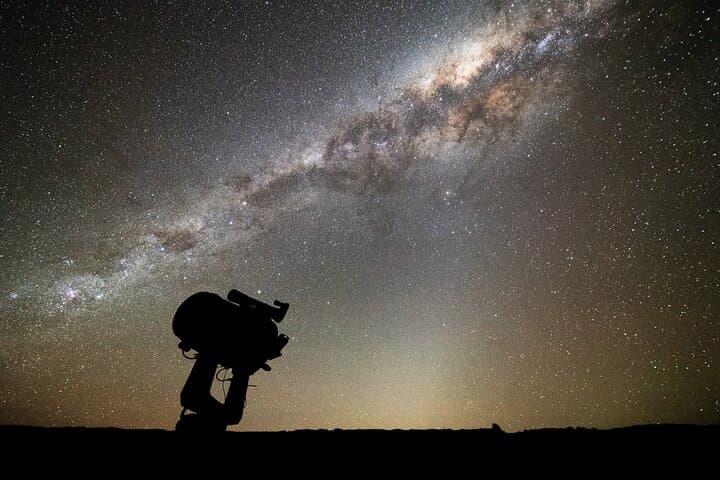
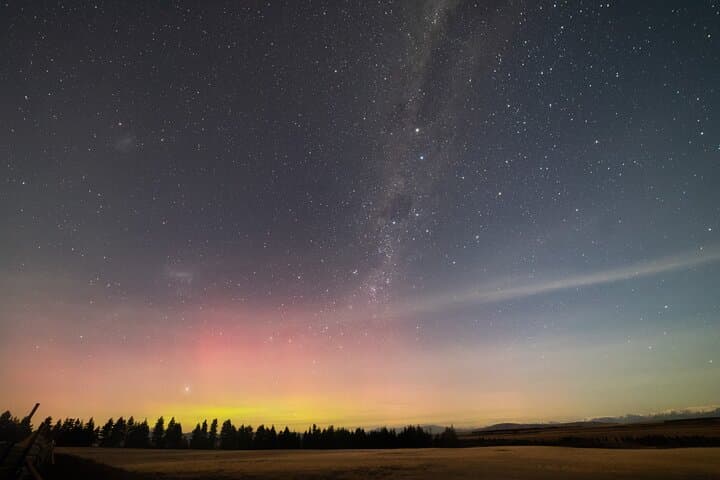
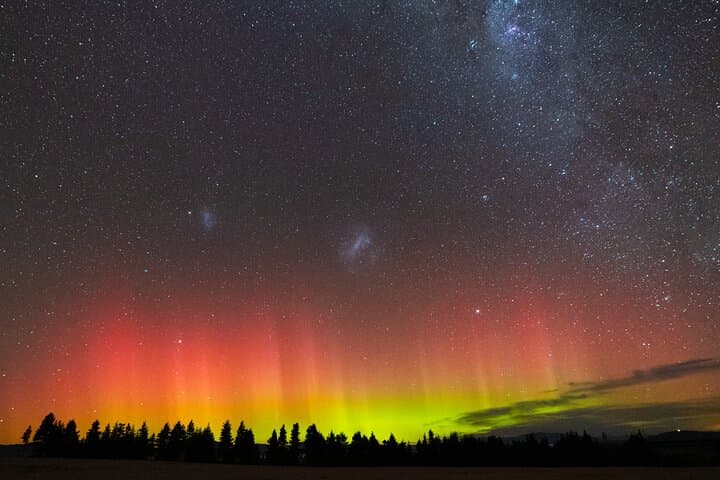
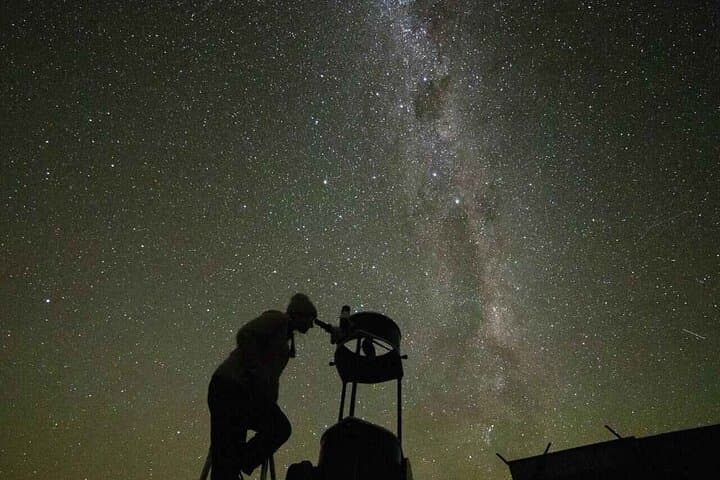
The first chill of evening bites as guides lead the group away from artificial glow and the Southern Alps open like a dark curtain. Above, the Milky Way pours across the sky, and Aoraki’s snow-capped ridges frame constellations with alpine clarity. Guides set up 9.25" telescopes and point out planets, star clusters and nebulae; they switch between science and myth, giving the night both context and story.
The first chill of evening bites as guides lead the group away from artificial glow and the Southern Alps open like a dark curtain. Above, the Milky Way pours across the sky, and Aoraki’s snow-capped ridges frame constellations with alpine clarity. Guides set up 9.25" telescopes and point out planets, star clusters and nebulae; they switch between science and myth, giving the night both context and story.
This experience takes place in the Aoraki Mackenzie Dark Sky Reserve, a UNESCO-recognized area prized for minimal light pollution and crisp southern-hemisphere views. Geologically, Mount Cook’s glaciers and rock faces are young on a mountain timescale, their presence sharpening the horizon and giving the sky a stark foreground. Culturally, guides often weave Māori star lore alongside modern astronomy, linking navigation and seasonal rhythms to the constellations overhead.
The tour lasts about 75 minutes and is optimized for clear nights; guides can photograph participants beneath the Milky Way when conditions allow. Expect short periods standing outdoors, brief telescope sessions, and conversational stops rather than a continuous lecture.
Practical notes: dress in warm, windproof layers and insulated footwear—temperatures drop quickly after sunset. Use red-light settings on headlamps or phones to preserve night vision. If you plan to photograph the sky, bring a tripod and ask guides about best camera settings before the session begins. Tours can be canceled for poor weather; check local forecasts and allow extra travel time on icy roads. For anyone curious about the southern sky, this is a concise, accessible way to experience some of the world’s darkest, most vivid skies.