THE ADVENTURE COLLECTIVE® · Independent discovery and booking for outdoor travel

Two days link East Java’s two most electric landscapes: the cliff-gouged Tumpak Sewu waterfall and the smoking crater of Mt Bromo. This guided trip pairs a steep, wet canyon descent with a predawn volcanic sunrise—fast-paced, physical, and unforgettable.
Two days link East Java’s two most electric landscapes: the cliff-gouged Tumpak Sewu waterfall and the smoking crater of Mt Bromo. This guided trip pairs a steep, wet canyon descent with a predawn volcanic sunrise—fast-paced, physical, and unforgettable.
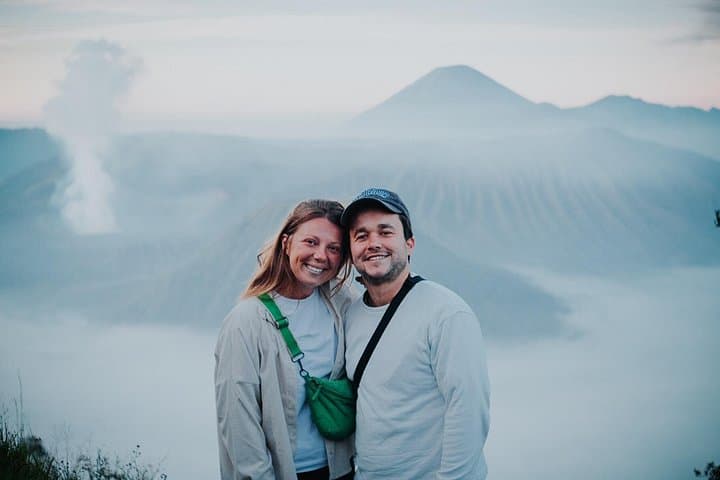
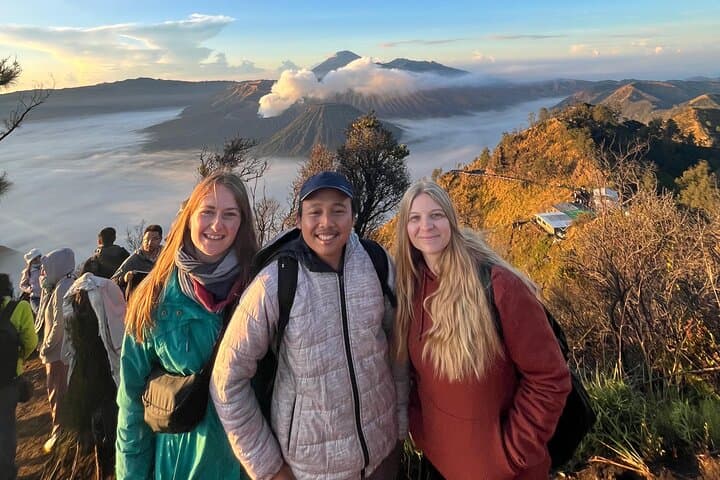
The sky is still charcoal when a row of 4WD jeeps pushes off through the cold dust of Tosari village, engines humming as the Jeep bumps across the Sea of Sand toward a ridge that will hold morning light. By 4:30 AM, the crater and its smoking throat are backlit — the wind dares the steam outward and the first rays cut across a lunar plain.
Verified experiences and guided adventures in the surrounding area.
Operated by IDN Trip Experiences · Malang, East Java
The sky is still charcoal when a row of 4WD jeeps pushes off through the cold dust of Tosari village, engines humming as the Jeep bumps across the Sea of Sand toward a ridge that will hold morning light. By 4:30 AM, the crater and its smoking throat are backlit — the wind dares the steam outward and the first rays cut across a lunar plain.
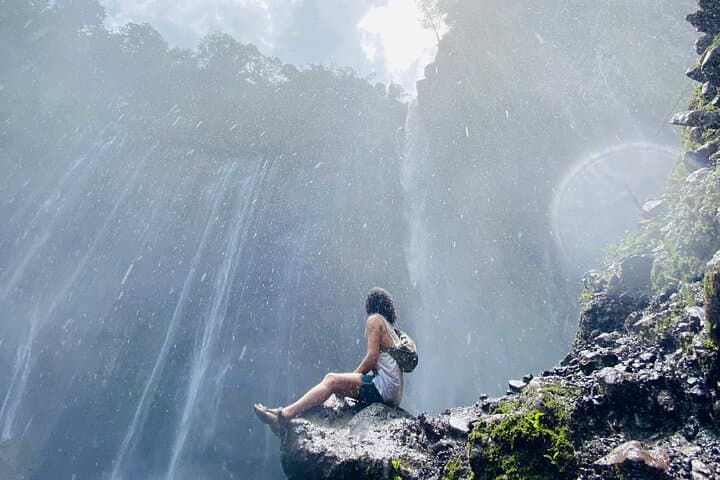
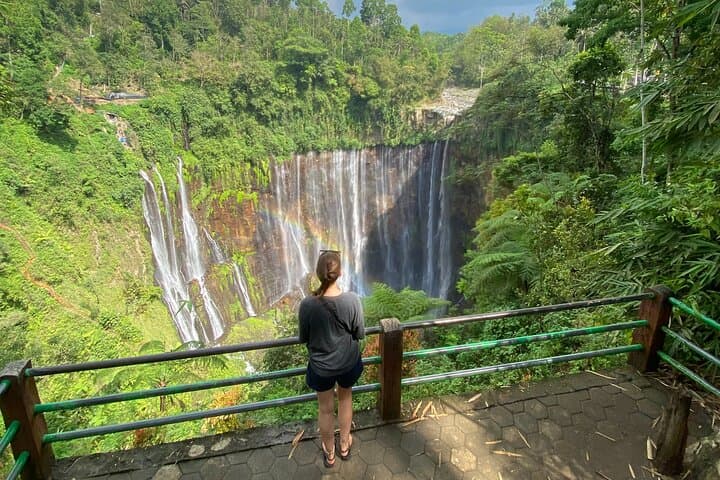
On day one you stand at an amphitheater of green to peer over Tumpak Sewu, a curtain waterfall dropping roughly 120 meters into a horseshoe gorge. The geology feels raw: volcanic ash, steep basalt walls and a narrow canyon that channels water with dramatic force. Below, the trail to the base is steep and often wet; Goa Tetes cave offers a close, darker counterpoint to the open falls.
The second morning is classic Bromo: a predawn ride, a coffee break on a cold ridge, then a short trek to the crater rim. Mount Bromo itself sits at 2,329 m; the walk from the jeep drop to the crater rim is roughly 2 km round-trip with 150–250 m of loose volcanic scree underfoot.
Practical edge: pack layered warm clothing for sub-freezing mornings, waterproof shoes for the waterfall approach, and a headlamp for the midnight pickup. Expect uneven terrain, volcanic dust, and crowds at the main viewpoints; timing and a local guide make the difference for safety and perspective. Respect Tenggerese customs at Bromo and leave no trace in sensitive canyon and crater zones.
moderate.
2 days (about 48 hours total, daytime activity concentrated).
Suitable for travelers with moderate fitness—able to handle 2 km hikes on loose volcanic scree and short steep descents of 100–300 m.
Both are short but require sure footing: Tumpak Sewu involves steep, often wet descents and uneven surfaces; Bromo’s crater rim is a 1–2 km walk over loose volcanic sand with about 150–250 m elevation change.
Layered warm clothing, an insulated jacket, gloves, and a hat; temperatures are cold at dawn and wind increases heat loss.
The provider advises against the waterfall trek for children under 5 and recommends pregnant travelers avoid the activities due to steep terrain and altitude changes.
Yes—an optional drop-off to Surabaya City or Airport is available for an additional fee paid in cash to the guide; notify the operator when booking.
Mount Bromo is central to the Tenggerese people and the annual Yadnya Kasada festival; the landscape reflects volcanic activity that shaped Java’s highlands.
Trails and canyon floors are sensitive to erosion and litter; stick to established paths, avoid stepping on moss or fragile banks, and carry out all trash to protect waterfalls and volcanic terrain.
IDN Trip Experiences operates guided outdoor trips and adventures with an emphasis on safety, stewardship, and memorable experiences.
The sky is still charcoal when a row of 4WD jeeps pushes off through the cold dust of Tosari village, engines humming as the Jeep bumps across the Sea of Sand toward a ridge that will hold morning light. By 4:30 AM, the crater and its smoking throat are backlit — the wind dares the steam outward and the first rays cut across a lunar plain.
The sky is still charcoal when a row of 4WD jeeps pushes off through the cold dust of Tosari village, engines humming as the Jeep bumps across the Sea of Sand toward a ridge that will hold morning light. By 4:30 AM, the crater and its smoking throat are backlit — the wind dares the steam outward and the first rays cut across a lunar plain.
On day one you stand at an amphitheater of green to peer over Tumpak Sewu, a curtain waterfall dropping roughly 120 meters into a horseshoe gorge. The geology feels raw: volcanic ash, steep basalt walls and a narrow canyon that channels water with dramatic force. Below, the trail to the base is steep and often wet; Goa Tetes cave offers a close, darker counterpoint to the open falls.
The second morning is classic Bromo: a predawn ride, a coffee break on a cold ridge, then a short trek to the crater rim. Mount Bromo itself sits at 2,329 m; the walk from the jeep drop to the crater rim is roughly 2 km round-trip with 150–250 m of loose volcanic scree underfoot.
Practical edge: pack layered warm clothing for sub-freezing mornings, waterproof shoes for the waterfall approach, and a headlamp for the midnight pickup. Expect uneven terrain, volcanic dust, and crowds at the main viewpoints; timing and a local guide make the difference for safety and perspective. Respect Tenggerese customs at Bromo and leave no trace in sensitive canyon and crater zones.