THE ADVENTURE COLLECTIVE® · Independent discovery and booking for outdoor travel

Spend four days learning glacier travel, ice climbing and crevasse rescue on Nevado Yanapaccha. This guided course combines hands-on technical training with a pre-dawn summit push in the Cordillera Blanca.
Spend four days learning glacier travel, ice climbing and crevasse rescue on Nevado Yanapaccha. This guided course combines hands-on technical training with a pre-dawn summit push in the Cordillera Blanca.
A thin blue light lifts across the Llanganuco Valley as you climb out of camp, boots crunching moraine and breath short in the rarefied Cordillera Blanca air. Chinancocha and Orconcocha glitter below; ahead, the ice walls and broken seracs of Yanapaccha cut a stark ridge against the sky. Over four days the route teaches you to move with a rope team, kick steps in steep ice and build anchors where crevasses dare you to slip.
Verified experiences and guided adventures in the surrounding area.
Operated by Peru Expeditions Tours · Huaraz, Ancash
A thin blue light lifts across the Llanganuco Valley as you climb out of camp, boots crunching moraine and breath short in the rarefied Cordillera Blanca air. Chinancocha and Orconcocha glitter below; ahead, the ice walls and broken seracs of Yanapaccha cut a stark ridge against the sky. Over four days the route teaches you to move with a rope team, kick steps in steep ice and build anchors where crevasses dare you to slip.
Yanapaccha—Quechua for “waterfall in the black mountain”—sits inside Huascarán National Park, part of the highest tropical mountain range on Earth. The peaks are granitic cores capped by tropical glaciers carved into steep faces and broad névés; decades of glacial recession are visible in moraine lines and newly exposed rock. Local Quechua communities in Huaraz have guided climbers here for generations, and pack animals still carry loads where vehicles cannot.
Practically, expect classroom-style instruction in knotwork, crampon technique, ice-anchoring and crevasse rescue on day two and three, followed by a pre-dawn summit push up a 50–65° ice headwall. Acclimatize in Huaraz before departure, drink steadily at altitude, and plan for early starts and slow, deliberate movement on technical ice. Guides provide tents, cooks and porter support but you must bring personal technical kit or rent locally.
This course balances skill-building with a real summit objective: it’s ideal for climbers who want guided, hands-on glacier experience in an alpine, high-altitude Andean setting.
moderate.
4 days.
Participants should be in good aerobic condition, comfortable with long days of hiking carrying a 10–15 kg pack and able to move steadily at altitude.
No advanced experience required, but you should have solid hiking fitness and basic comfort with exposure; the course teaches technical skills from the ground up.
March–October is the recommended season (dry season) with more stable weather and better summit conditions.
Yes—boots, crampons, harnesses and ice axes are commonly available to rent in Huaraz, though bringing personal boots is strongly recommended for fit and comfort.
Yanapaccha reaches over 5,400–5,600 m; acclimatization is essential. Know symptoms of AMS and communicate any issues to guides immediately.
The Cordillera Blanca has been home to Quechua-speaking communities for centuries; Huaraz became an alpine hub under 20th-century mountaineering exploration.
Huascarán National Park protects glacial landscapes but faces pressures from warming temperatures and increased trekking traffic—pack out waste and follow park rules.
Peru Expeditions Tours operates guided outdoor trips and adventures with an emphasis on safety, stewardship, and memorable experiences.
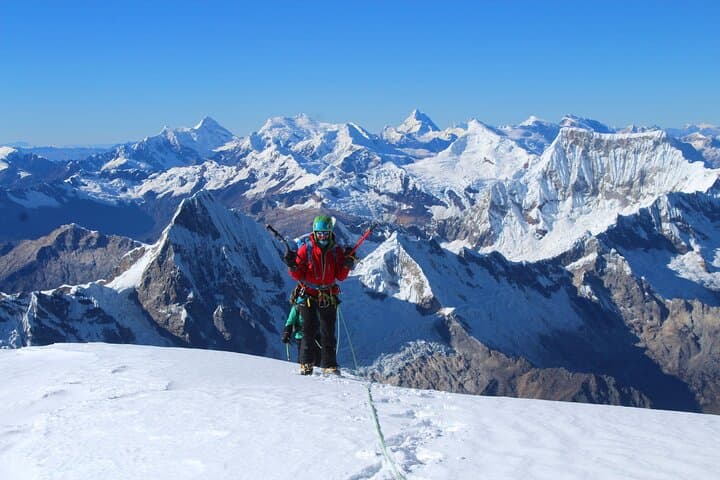
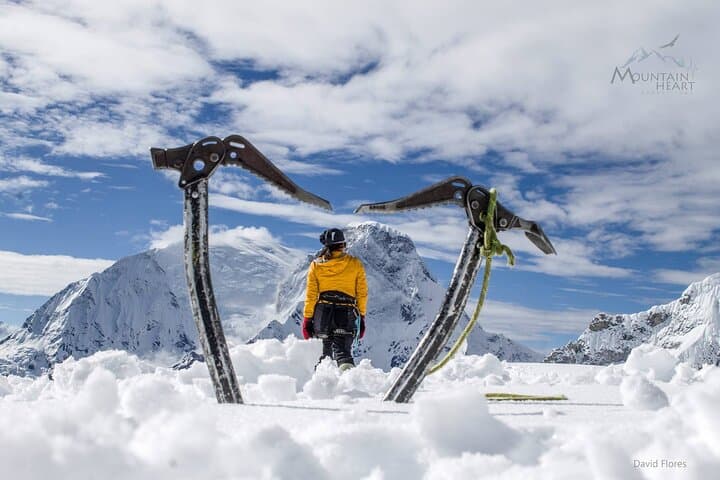
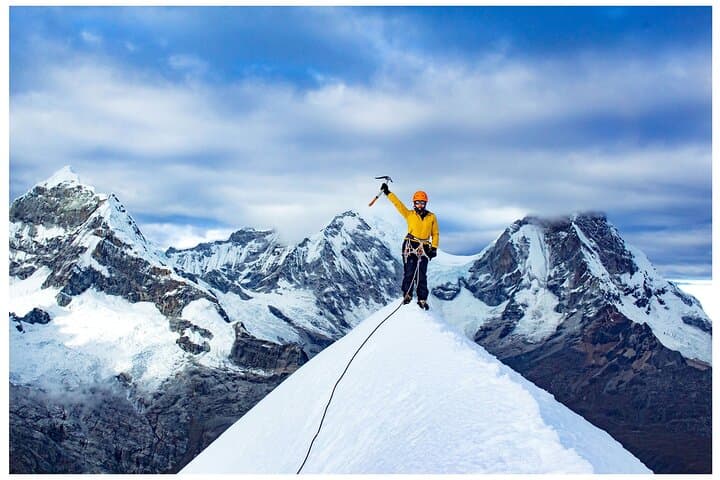
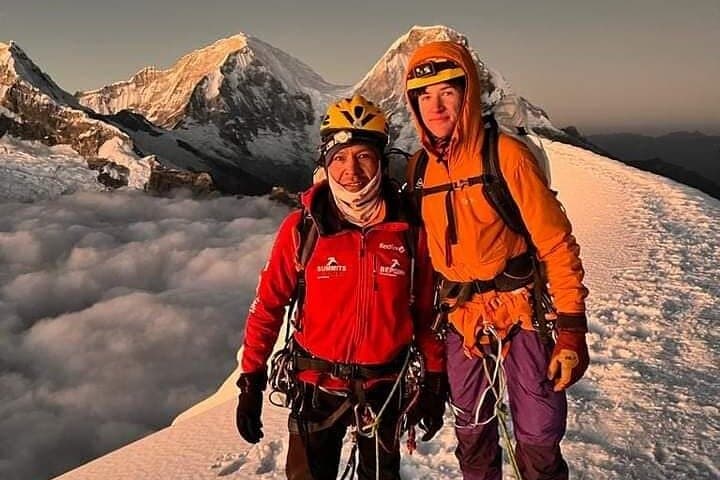
A thin blue light lifts across the Llanganuco Valley as you climb out of camp, boots crunching moraine and breath short in the rarefied Cordillera Blanca air. Chinancocha and Orconcocha glitter below; ahead, the ice walls and broken seracs of Yanapaccha cut a stark ridge against the sky. Over four days the route teaches you to move with a rope team, kick steps in steep ice and build anchors where crevasses dare you to slip.
A thin blue light lifts across the Llanganuco Valley as you climb out of camp, boots crunching moraine and breath short in the rarefied Cordillera Blanca air. Chinancocha and Orconcocha glitter below; ahead, the ice walls and broken seracs of Yanapaccha cut a stark ridge against the sky. Over four days the route teaches you to move with a rope team, kick steps in steep ice and build anchors where crevasses dare you to slip.
Yanapaccha—Quechua for “waterfall in the black mountain”—sits inside Huascarán National Park, part of the highest tropical mountain range on Earth. The peaks are granitic cores capped by tropical glaciers carved into steep faces and broad névés; decades of glacial recession are visible in moraine lines and newly exposed rock. Local Quechua communities in Huaraz have guided climbers here for generations, and pack animals still carry loads where vehicles cannot.
Practically, expect classroom-style instruction in knotwork, crampon technique, ice-anchoring and crevasse rescue on day two and three, followed by a pre-dawn summit push up a 50–65° ice headwall. Acclimatize in Huaraz before departure, drink steadily at altitude, and plan for early starts and slow, deliberate movement on technical ice. Guides provide tents, cooks and porter support but you must bring personal technical kit or rent locally.
This course balances skill-building with a real summit objective: it’s ideal for climbers who want guided, hands-on glacier experience in an alpine, high-altitude Andean setting.