THE ADVENTURE COLLECTIVE® · Independent discovery and booking for outdoor travel

Ride the historic mountain train from Nice into the southern Alps, explore sandstone forests and troglodyte caves, then climb to a Vauban fortress overlooking the Var Valley. This full-day tour blends rail history, geology and a demanding hike.
Ride the historic mountain train from Nice into the southern Alps, explore sandstone forests and troglodyte caves, then climb to a Vauban fortress overlooking the Var Valley. This full-day tour blends rail history, geology and a demanding hike.
The whistle blows, the small alpine train climbs out of Nice and the Mediterranean’s scent thins into cedar and chestnut. Windows frame terraced slopes, the Var river carving a green gorge below; the carriage rocks like a promise of old engineering and older borders. Stepping off in a classified village, the air carries stories—stone stairways, a drawbridge that still remembers soldiers' boots, and a castle armored by Vauban's angled walls.
Verified experiences and guided adventures in the surrounding area.
Operated by Nice Creative Tours · Nice, Provence-Alpes-Côte d'Azur
The whistle blows, the small alpine train climbs out of Nice and the Mediterranean’s scent thins into cedar and chestnut. Windows frame terraced slopes, the Var river carving a green gorge below; the carriage rocks like a promise of old engineering and older borders. Stepping off in a classified village, the air carries stories—stone stairways, a drawbridge that still remembers soldiers' boots, and a castle armored by Vauban's angled walls.
This loop pairs early-20th-century rail engineering with the raw geology of the southern Alps: sandstone slabs eroded into mushrooming blocks and narrow rock shelters locally called a "rain of meteors." In Annot the chestnut forest keeps its own clock—hundred-year trunks and troglodyte cave dwellings that hint at rural life across centuries. Entrevaux adds military history; its citadel peers over the Var Valley where the frontier between France and Savoy once ran.
Expect a long day—train rides bookend a full schedule and optional hikes include a steep 150 m climb to the castle. The trail surfaces change from village cobbles to loose sandstone and forest roots; vertigo-prone sections and stairs require cautious footing.
Practical edge: meet at the Gare des Chemins de Fer de Provence in Nice at the listed time, bring layered clothing for alpine sun and shade, and carry at least 2 liters of water plus snacks even though lunch is provided. Wear grippy boots and be ready for an active 8–12 hour day. Guides adjust the route by season; in summer, lavender fields may be added. Stay on marked paths to protect fragile sandstone formations and the chestnut understory.
challenging.
8–13 hours.
Should be in good aerobic shape; able to manage sustained uphill hiking, stairs and uneven terrain.
The tour departs from Gare des Chemins de Fer de Provence (4bis Rue Alfred Binet); there's no hotel pickup—plan arrival accordingly.
The optional hiking and castle approach include narrow ledges and steep stairs; not recommended for those with vertigo or significant mobility limits.
Lunch is included; the guide arranges a local restaurant—inform the operator ahead about dietary restrictions so they can accommodate where possible.
Yes—between mid-October and March the guide may shorten or alter the route and return by bus earlier if daylight or conditions require it.
The route follows the Var Valley frontier between France and Savoy; Entrevaux's citadel was fortified by Vauban in the 17th century to control alpine approaches.
Stick to paths to protect fragile sandstone structures and chestnut understories; small-group guiding helps limit erosion and disturbance.
Nice Creative Tours operates guided outdoor trips and adventures with an emphasis on safety, stewardship, and memorable experiences.
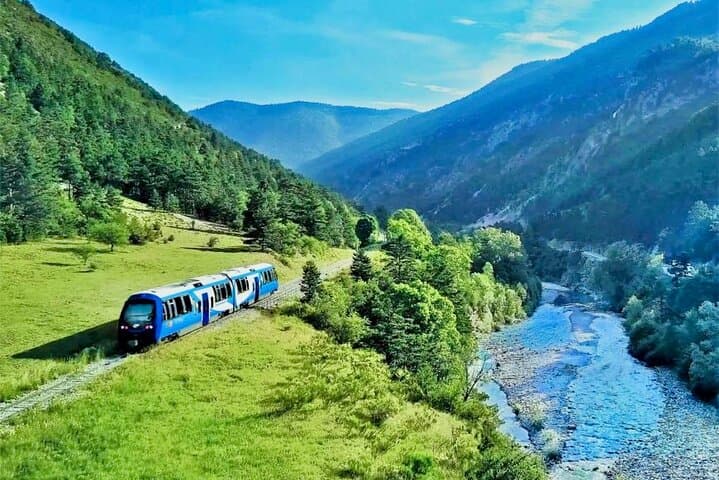
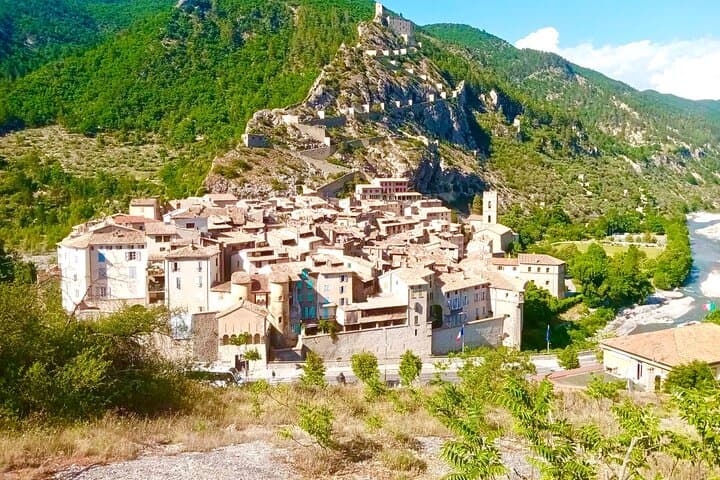
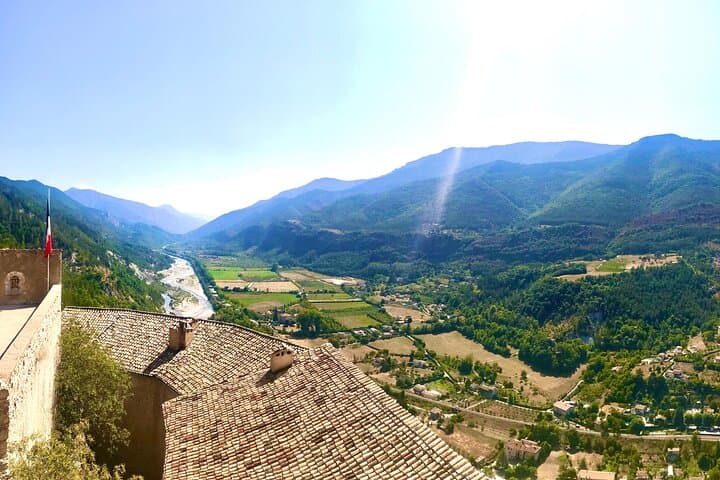
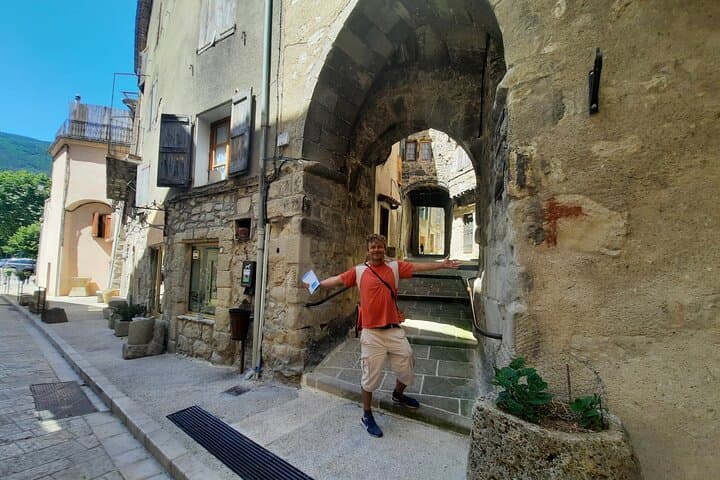
The whistle blows, the small alpine train climbs out of Nice and the Mediterranean’s scent thins into cedar and chestnut. Windows frame terraced slopes, the Var river carving a green gorge below; the carriage rocks like a promise of old engineering and older borders. Stepping off in a classified village, the air carries stories—stone stairways, a drawbridge that still remembers soldiers' boots, and a castle armored by Vauban's angled walls.
The whistle blows, the small alpine train climbs out of Nice and the Mediterranean’s scent thins into cedar and chestnut. Windows frame terraced slopes, the Var river carving a green gorge below; the carriage rocks like a promise of old engineering and older borders. Stepping off in a classified village, the air carries stories—stone stairways, a drawbridge that still remembers soldiers' boots, and a castle armored by Vauban's angled walls.
This loop pairs early-20th-century rail engineering with the raw geology of the southern Alps: sandstone slabs eroded into mushrooming blocks and narrow rock shelters locally called a "rain of meteors." In Annot the chestnut forest keeps its own clock—hundred-year trunks and troglodyte cave dwellings that hint at rural life across centuries. Entrevaux adds military history; its citadel peers over the Var Valley where the frontier between France and Savoy once ran.
Expect a long day—train rides bookend a full schedule and optional hikes include a steep 150 m climb to the castle. The trail surfaces change from village cobbles to loose sandstone and forest roots; vertigo-prone sections and stairs require cautious footing.
Practical edge: meet at the Gare des Chemins de Fer de Provence in Nice at the listed time, bring layered clothing for alpine sun and shade, and carry at least 2 liters of water plus snacks even though lunch is provided. Wear grippy boots and be ready for an active 8–12 hour day. Guides adjust the route by season; in summer, lavender fields may be added. Stay on marked paths to protect fragile sandstone formations and the chestnut understory.