THE ADVENTURE COLLECTIVE® · Independent discovery and booking for outdoor travel

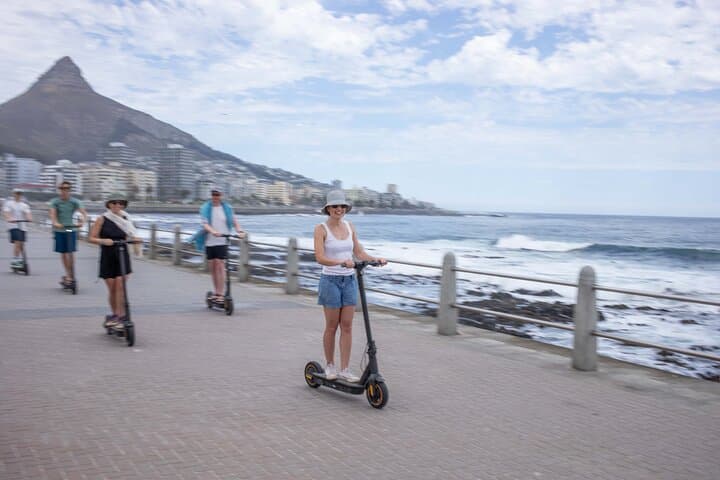
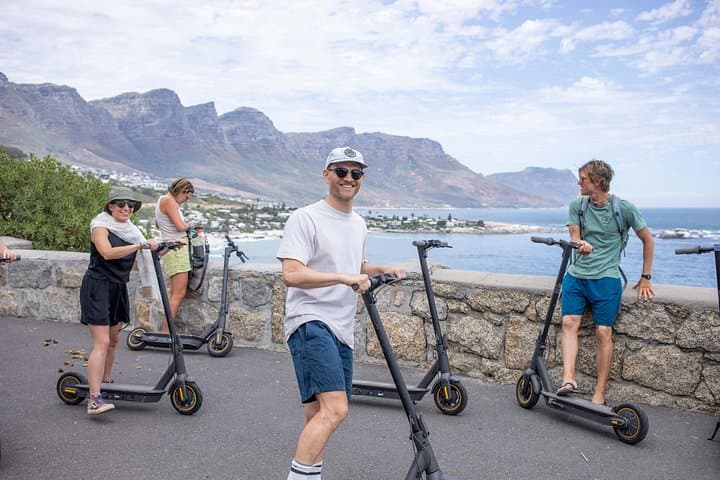
Walk from fynbos-clad ridgelines to the Atlantic edge with local guides who stitch together geology, culture and coastal life. Finish on an e-scooter along Sea Point Promenade for a brisk, scenic finale.
Walk from fynbos-clad ridgelines to the Atlantic edge with local guides who stitch together geology, culture and coastal life. Finish on an e-scooter along Sea Point Promenade for a brisk, scenic finale.
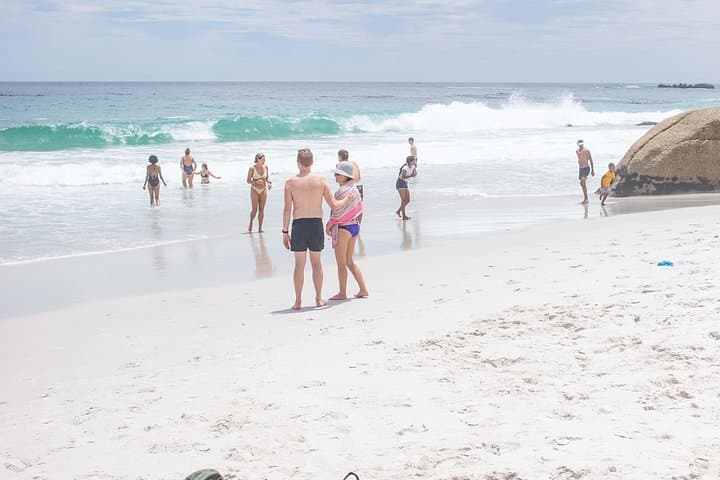
You begin on a wind-buffed ridge where fynbos brushes your calves and the Atlantic hammers the shoreline below. The guide sets the pace, pointing out a sweep of Table Mountain to the east and the cone of Lion’s Head cutting the skyline; the city’s punctuation marks shift as you move from scrub to shaded forest and finally to the salt-scented air of the beach.
Verified experiences and guided adventures in the surrounding area.
Operated by The Lion Trail · Cape Town, Western Cape
You begin on a wind-buffed ridge where fynbos brushes your calves and the Atlantic hammers the shoreline below. The guide sets the pace, pointing out a sweep of Table Mountain to the east and the cone of Lion’s Head cutting the skyline; the city’s punctuation marks shift as you move from scrub to shaded forest and finally to the salt-scented air of the beach.
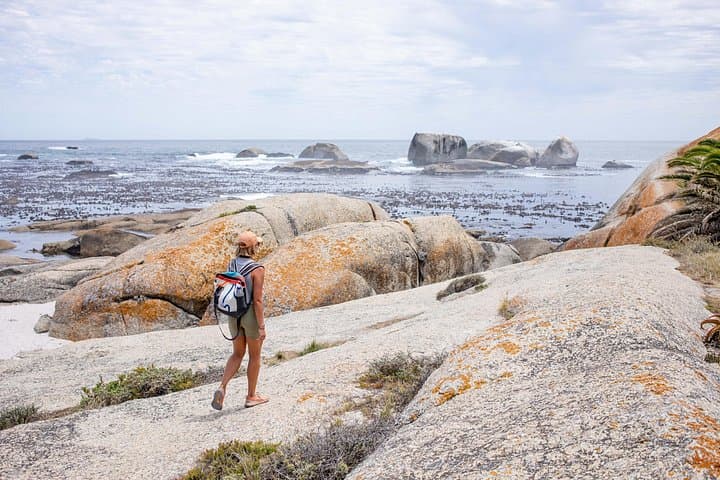
Geology here is blunt and readable—ancient sandstone slabs tilted and eroded into the steep amphitheatre of Table Mountain National Park. Botanically, this is fynbos country: low, leathery shrubs adapted to fire and wind, home to many species found nowhere else. The route threads local stories—shipwrecked sailors, Xhosa and Khoikhoi place names, and Cape Town’s evolution from port to modern metropolis—paired with notes on coastal ecology and the seasonal swell of kelp near the rocks.
Practical notes: the full loop runs about four hours with mostly well-marked walking paths and some uneven coastal rock; elevation gain is moderate rather than extreme. The last segment switches to an e-scooter ride along Sea Point Promenade, so expect pavement after beach stone. Guides provide snacks and scooters; group sizes can reach two dozen. This tour suits travelers in moderate condition—short steep pitches and rocky shorelines require sure footing.
Plan for sun, wind, and a stiff Atlantic breeze: layered clothing, a filled water bottle, sturdy shoes, and a charged phone are the essentials. Public transport and central Cape Town accommodations make the meeting point accessible, and the route offers one of the clearest, quickest introductions to the city’s natural and cultural contrasts.
moderate.
4 hours.
Moderate—comfortable with 2–4 mile continuous walking sections and short steep pitches; good balance for rocks and scooter riding.
Moderate fitness is required—expect up to four hours of walking with some short steep or rocky sections; there is no technical climbing.
No, but you should be comfortable balancing and braking; guides give a quick orientation before the promenade ride.
The meeting point is in Table Mountain National Park/adjacent access areas; public transport and central Cape Town hotels are nearby—confirm the exact pickup spot on booking.
This experience is not recommended for pregnant travelers or those with serious spinal or cardiovascular conditions; children may join if able to safely navigate uneven terrain and scooters per guide discretion.
The route crosses land that was a maritime corridor for centuries; European port development and indigenous use shaped the mix of place names and coastal tracks.
Table Mountain’s fynbos is fire-adapted and highly sensitive to invasive species and trampling—stick to trails and avoid picking plants to protect fragile endemics.
The Lion Trail operates guided outdoor trips and adventures with an emphasis on safety, stewardship, and memorable experiences.
You begin on a wind-buffed ridge where fynbos brushes your calves and the Atlantic hammers the shoreline below. The guide sets the pace, pointing out a sweep of Table Mountain to the east and the cone of Lion’s Head cutting the skyline; the city’s punctuation marks shift as you move from scrub to shaded forest and finally to the salt-scented air of the beach.
You begin on a wind-buffed ridge where fynbos brushes your calves and the Atlantic hammers the shoreline below. The guide sets the pace, pointing out a sweep of Table Mountain to the east and the cone of Lion’s Head cutting the skyline; the city’s punctuation marks shift as you move from scrub to shaded forest and finally to the salt-scented air of the beach.
Geology here is blunt and readable—ancient sandstone slabs tilted and eroded into the steep amphitheatre of Table Mountain National Park. Botanically, this is fynbos country: low, leathery shrubs adapted to fire and wind, home to many species found nowhere else. The route threads local stories—shipwrecked sailors, Xhosa and Khoikhoi place names, and Cape Town’s evolution from port to modern metropolis—paired with notes on coastal ecology and the seasonal swell of kelp near the rocks.
Practical notes: the full loop runs about four hours with mostly well-marked walking paths and some uneven coastal rock; elevation gain is moderate rather than extreme. The last segment switches to an e-scooter ride along Sea Point Promenade, so expect pavement after beach stone. Guides provide snacks and scooters; group sizes can reach two dozen. This tour suits travelers in moderate condition—short steep pitches and rocky shorelines require sure footing.
Plan for sun, wind, and a stiff Atlantic breeze: layered clothing, a filled water bottle, sturdy shoes, and a charged phone are the essentials. Public transport and central Cape Town accommodations make the meeting point accessible, and the route offers one of the clearest, quickest introductions to the city’s natural and cultural contrasts.