THE ADVENTURE COLLECTIVE® · Independent discovery and booking for outdoor travel

Traverse a compact, hands-on ridge in Tochigi where chains, ladders, and mini-shrines punctuate every high point. This half-day adventure mixes short technical scrambling with cultural stops and panoramic views—ideal for hikers comfortable with exposure.
Traverse a compact, hands-on ridge in Tochigi where chains, ladders, and mini-shrines punctuate every high point. This half-day adventure mixes short technical scrambling with cultural stops and panoramic views—ideal for hikers comfortable with exposure.
A low cloud breaks as you climb the last iron rung and the ridge throws open a view: timbered slopes sliding toward a patchwork of rice paddies, and a handful of stone torii guarding red-roofed mini-shrines like quiet sentries. The route threads narrow spine-lines and rock steps where chains and ladders help you move through exposed sections; wind here seems to test your balance and demand attention.
Verified experiences and guided adventures in the surrounding area.
Operated by Daytrips From Tokyo · Nikkō, Tochigi
A low cloud breaks as you climb the last iron rung and the ridge throws open a view: timbered slopes sliding toward a patchwork of rice paddies, and a handful of stone torii guarding red-roofed mini-shrines like quiet sentries. The route threads narrow spine-lines and rock steps where chains and ladders help you move through exposed sections; wind here seems to test your balance and demand attention.
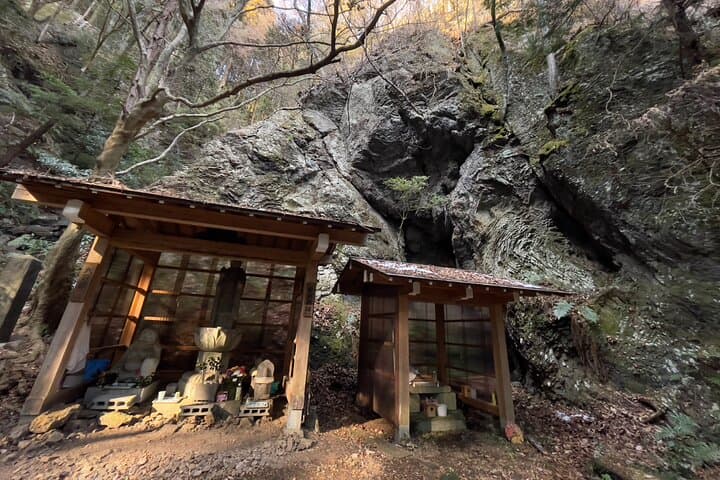
This part of Tochigi Prefecture carries a deep history of mountain worship. Small roadside and summit shrines reflect centuries of Shintō and Shugendō practice—ascetic routes once used by practitioners seeking communion with the peaks. Geologically, the ridgelines are composed of volcanic and sedimentary rock uplifted and eroded into jagged outcrops that force short, technical scrambles rather than long alpine climbs.
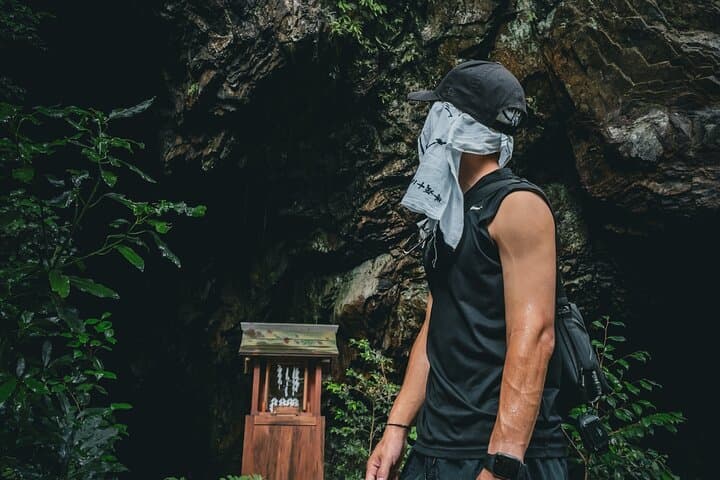
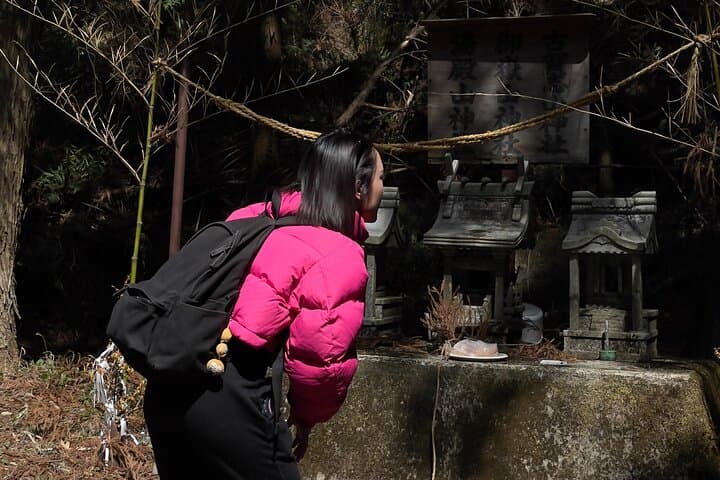
Culturally, you’ll pass informal offerings and mossed stone lanterns that suggest local devotion; a respectful, quiet pace is standard. The corridor is compact—packed with climbing moves, exposure, and sweeping viewpoints that reward steady pacing.
Practical guidance: this is a focused half-day outing (about four hours). Expect steep bursts of elevation and short hands-on scrambling; trekking poles help on approach but are set aside for ladder sections. Good-grip footwear and gloves are recommended; a light waterproof and layers handle sudden mountain weather. Carry 1–2 liters of water, a basic first-aid kit, and cash if you plan to leave donations at shrines. Start early to avoid afternoon storms and to catch the ridge when visibility is best. Move deliberately on chains and rungs, respect cultural sites, and leave no trace to protect fragile mountain vegetation.
moderate.
4 hours.
Moderately fit: comfortable with sustained uphill sections, short exposed scrambles, and steady footing for several hours.
Expect short, exposed scrambles assisted by chains and ladders—technical climbers’ gear isn’t required, but surefootedness and a head for exposure are important.
Yes, if they are comfortable with heights and in steady walking shape; guides typically accommodate varied abilities but inform organizers of concerns in advance.
Basic equipment such as trekking poles and gloves are provided for use; bring your own footwear and layered clothing.
This is commonly run as a day trip from Tokyo—travel involves train or bus to the Tochigi/Nikkō area followed by local transfer; check the operator’s meeting instructions for exact logistics.
The area reflects mountain-based religious practice linked to Shintō and Shugendō traditions; small shrines and stone markers mark long-standing local pilgrimage routes.
Trails are narrow and vegetation fragile—stick to established paths, avoid trampling moss, and carry out all litter to limit erosion and cultural site impact.
Daytrips From Tokyo operates guided outdoor trips and adventures with an emphasis on safety, stewardship, and memorable experiences.
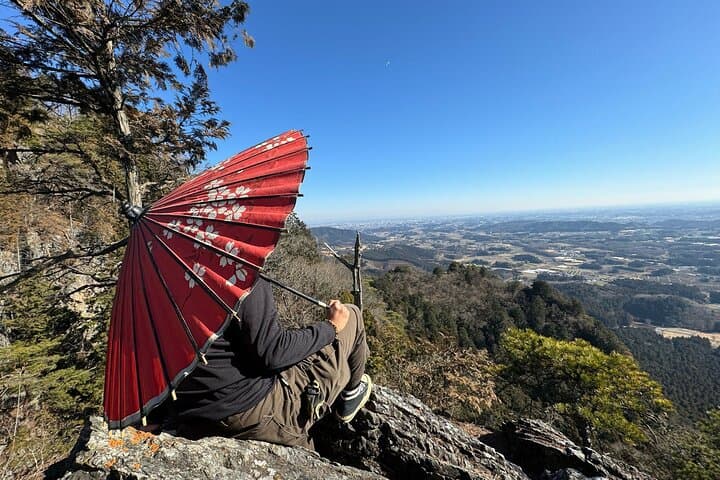
A low cloud breaks as you climb the last iron rung and the ridge throws open a view: timbered slopes sliding toward a patchwork of rice paddies, and a handful of stone torii guarding red-roofed mini-shrines like quiet sentries. The route threads narrow spine-lines and rock steps where chains and ladders help you move through exposed sections; wind here seems to test your balance and demand attention.
A low cloud breaks as you climb the last iron rung and the ridge throws open a view: timbered slopes sliding toward a patchwork of rice paddies, and a handful of stone torii guarding red-roofed mini-shrines like quiet sentries. The route threads narrow spine-lines and rock steps where chains and ladders help you move through exposed sections; wind here seems to test your balance and demand attention.
This part of Tochigi Prefecture carries a deep history of mountain worship. Small roadside and summit shrines reflect centuries of Shintō and Shugendō practice—ascetic routes once used by practitioners seeking communion with the peaks. Geologically, the ridgelines are composed of volcanic and sedimentary rock uplifted and eroded into jagged outcrops that force short, technical scrambles rather than long alpine climbs.
Culturally, you’ll pass informal offerings and mossed stone lanterns that suggest local devotion; a respectful, quiet pace is standard. The corridor is compact—packed with climbing moves, exposure, and sweeping viewpoints that reward steady pacing.
Practical guidance: this is a focused half-day outing (about four hours). Expect steep bursts of elevation and short hands-on scrambling; trekking poles help on approach but are set aside for ladder sections. Good-grip footwear and gloves are recommended; a light waterproof and layers handle sudden mountain weather. Carry 1–2 liters of water, a basic first-aid kit, and cash if you plan to leave donations at shrines. Start early to avoid afternoon storms and to catch the ridge when visibility is best. Move deliberately on chains and rungs, respect cultural sites, and leave no trace to protect fragile mountain vegetation.