THE ADVENTURE COLLECTIVE® · Independent discovery and booking for outdoor travel

Catch the Himalaya from the air on an hour-long mountain flight from Kathmandu—an efficient, dramatic way to see Everest, Ama Dablam and the Khumbu Glacier without trekking. Early morning departures offer the best light and clearer skies.
Catch the Himalaya from the air on an hour-long mountain flight from Kathmandu—an efficient, dramatic way to see Everest, Ama Dablam and the Khumbu Glacier without trekking. Early morning departures offer the best light and clearer skies.
Dawn light strips the Kathmandu Valley and the airplane eases into the thin, cold air; through the window the Himalaya rise like a jagged spine, peaks daring you to come closer. In an hour you’ll sweep past classic high points—Ama Dablam’s soaring buttress, the ragged teeth of the Khumbu Glacier, and, if weather allows, the flattened summit of Mount Everest—each ridge throwing a shadow across crevassed ice fields.
Verified experiences and guided adventures in the surrounding area.
Operated by Trekking Planner Nepal · Kathmandu, Bagmati Province
Dawn light strips the Kathmandu Valley and the airplane eases into the thin, cold air; through the window the Himalaya rise like a jagged spine, peaks daring you to come closer. In an hour you’ll sweep past classic high points—Ama Dablam’s soaring buttress, the ragged teeth of the Khumbu Glacier, and, if weather allows, the flattened summit of Mount Everest—each ridge throwing a shadow across crevassed ice fields.
Geology here is loud and recent: the Indian plate still presses into Eurasia, forcing rock kilometers skyward and creating steep faces that reflect light differently by hour. Culturally, Kathmandu is the launchpad—Sherpa villages and monasteries sit on the approaches to these giants, and the city’s role as gateway to Everest expeditions dates to the 20th-century age of ascent.
Practically, morning departures give the best visibility; this is a sightseeing flight, not a trek substitute. Expect a spacious, windowed small airliner and a structured route that circles key summits for photo passes. The aircraft will keep altitude and speed comfortable, but bring layers—temperatures on the tarmac and at altitude are markedly colder than the city.
Plan for airport pickup and ID checks, and allow time for clearance at Tribhuvan International Airport. Photography is the main objective: a zoom lens and extra batteries matter more than technical mountaineering skills. Weather is the limiting factor—clouds can erase views in minutes—so build flexibility into your itinerary. Above all, this flight compresses the Himalaya’s scale into a clean, cinematic hour that both orients and humbles.
easy.
1 hour.
Minimal fitness required; suitable for travelers of most ages who can board a small aircraft.
The flight is approximately 60 minutes from scheduled takeoff to landing, including the scenic circuit near Everest.
No; flights depart and return to Kathmandu and circle the Everest region to provide aerial views without landing at high-altitude airstrips.
Visibility depends on weather; early-morning flights after stable nights have the best chance—clear views are common in post-monsoon (Oct–Nov) and spring (Mar–Apr).
Yes—many operators allow infants (on laps) and older travelers; check medical advice for those with heart or respiratory conditions.
Kathmandu has served as the logistical hub for Himalayan exploration since the mid-20th century; flights compress classic expedition approaches into an aerial overview.
Operators are encouraged to follow noise and emission best practices; booking licensed carriers supports regulated air traffic and local economies.
Trekking Planner Nepal operates guided outdoor trips and adventures with an emphasis on safety, stewardship, and memorable experiences.
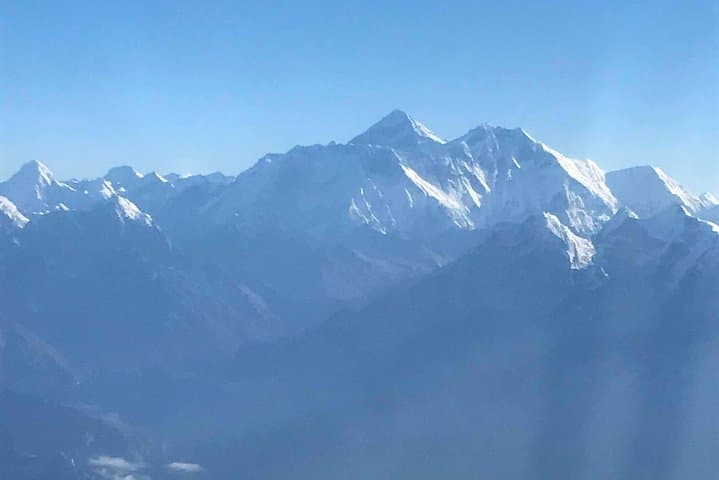
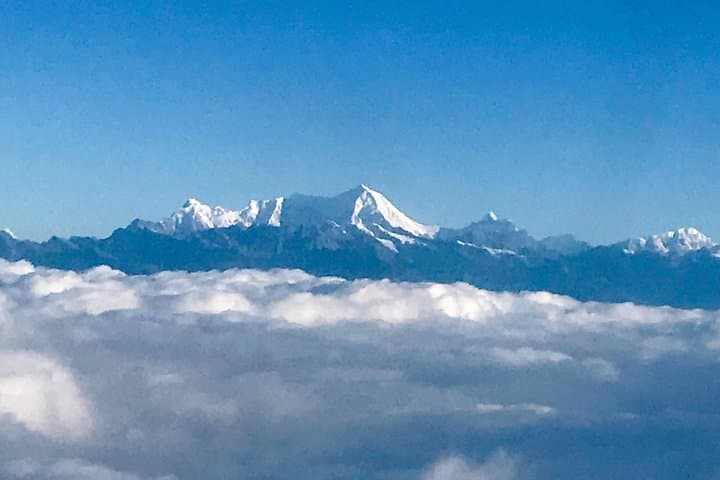
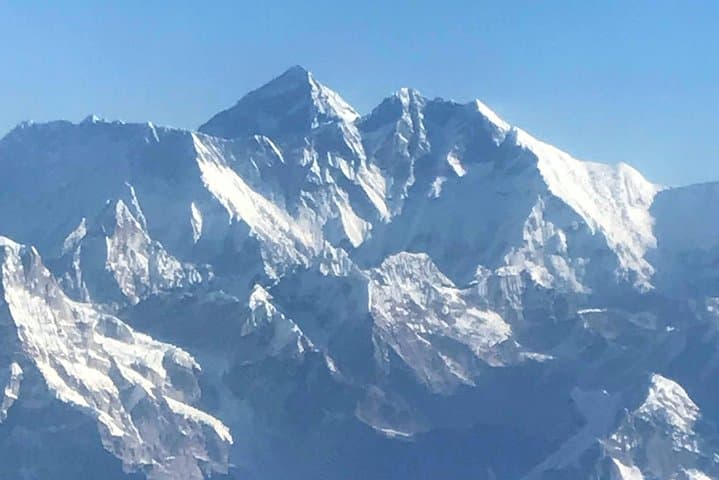
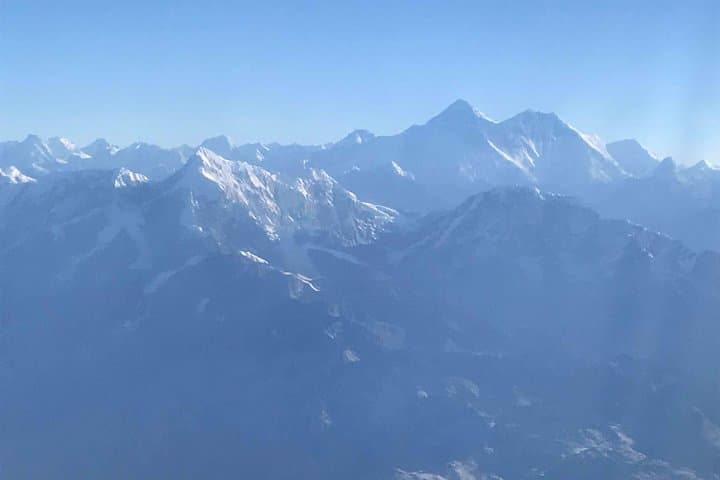
Dawn light strips the Kathmandu Valley and the airplane eases into the thin, cold air; through the window the Himalaya rise like a jagged spine, peaks daring you to come closer. In an hour you’ll sweep past classic high points—Ama Dablam’s soaring buttress, the ragged teeth of the Khumbu Glacier, and, if weather allows, the flattened summit of Mount Everest—each ridge throwing a shadow across crevassed ice fields.
Dawn light strips the Kathmandu Valley and the airplane eases into the thin, cold air; through the window the Himalaya rise like a jagged spine, peaks daring you to come closer. In an hour you’ll sweep past classic high points—Ama Dablam’s soaring buttress, the ragged teeth of the Khumbu Glacier, and, if weather allows, the flattened summit of Mount Everest—each ridge throwing a shadow across crevassed ice fields.
Geology here is loud and recent: the Indian plate still presses into Eurasia, forcing rock kilometers skyward and creating steep faces that reflect light differently by hour. Culturally, Kathmandu is the launchpad—Sherpa villages and monasteries sit on the approaches to these giants, and the city’s role as gateway to Everest expeditions dates to the 20th-century age of ascent.
Practically, morning departures give the best visibility; this is a sightseeing flight, not a trek substitute. Expect a spacious, windowed small airliner and a structured route that circles key summits for photo passes. The aircraft will keep altitude and speed comfortable, but bring layers—temperatures on the tarmac and at altitude are markedly colder than the city.
Plan for airport pickup and ID checks, and allow time for clearance at Tribhuvan International Airport. Photography is the main objective: a zoom lens and extra batteries matter more than technical mountaineering skills. Weather is the limiting factor—clouds can erase views in minutes—so build flexibility into your itinerary. Above all, this flight compresses the Himalaya’s scale into a clean, cinematic hour that both orients and humbles.