THE ADVENTURE COLLECTIVE® · Independent discovery and booking for outdoor travel

Climb from Pompei Scavi to the Gran Cono on a short, dramatic ride and a 15–20 minute walk to stand on Vesuvius’s active rim. This three-hour outing includes entry to the crater and round-trip transport—ideal for travelers short on time who want a direct encounter with volcanic power.
Climb from Pompei Scavi to the Gran Cono on a short, dramatic ride and a 15–20 minute walk to stand on Vesuvius’s active rim. This three-hour outing includes entry to the crater and round-trip transport—ideal for travelers short on time who want a direct encounter with volcanic power.
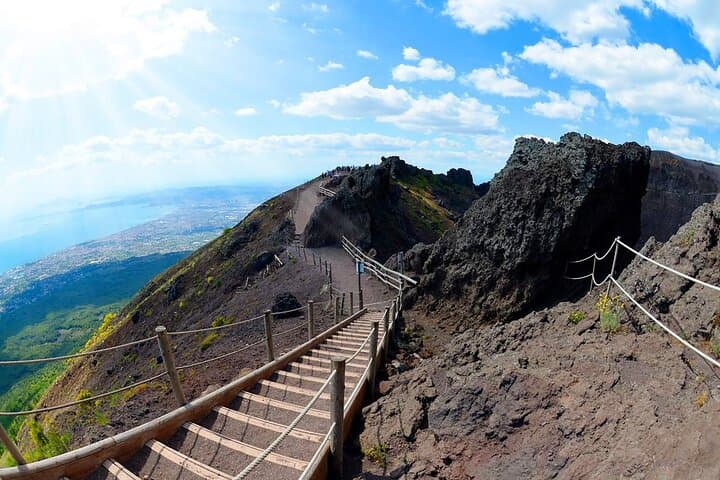
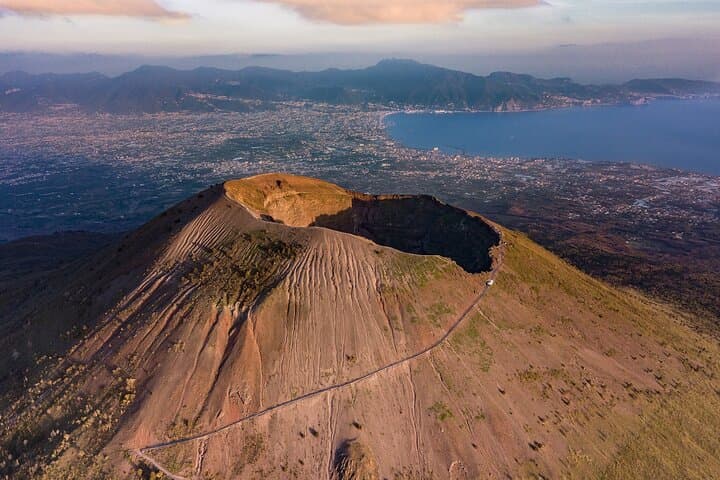
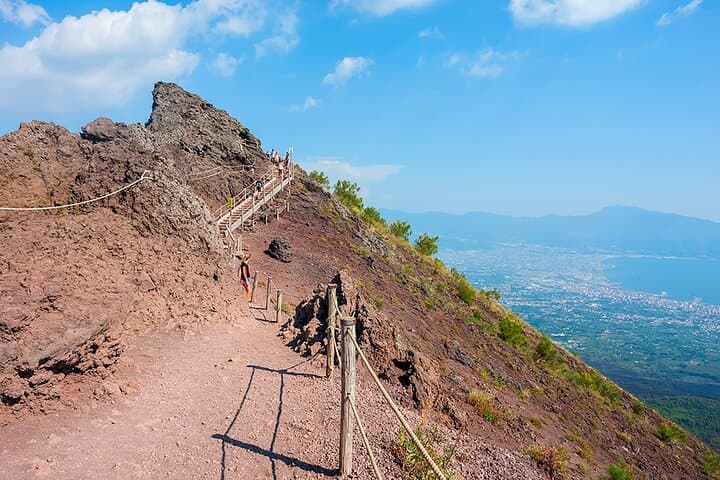
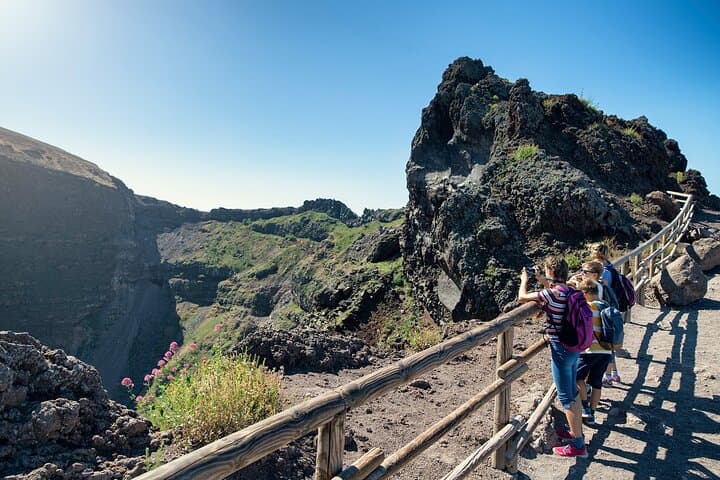
The bus leaves Pompei Scavi and the road climbs, the Bay of Naples shrinking into a bright crescent below. At about 1,000 meters the engine stops and you step onto volcanic scree; a 15–20 minute uphill walk across loose stones and compacted ash leads to the Gran Cono, Vesuvius’s dramatic crater rim. Wind pushes at you, salt and sulfur thread the air, and the islands of Capri and Ischia sit like distant moons on the horizon.
Verified experiences and guided adventures in the surrounding area.
Operated by Pompei Tour Organizer_Tempio Travel · Pompeii, Campania
The bus leaves Pompei Scavi and the road climbs, the Bay of Naples shrinking into a bright crescent below. At about 1,000 meters the engine stops and you step onto volcanic scree; a 15–20 minute uphill walk across loose stones and compacted ash leads to the Gran Cono, Vesuvius’s dramatic crater rim. Wind pushes at you, salt and sulfur thread the air, and the islands of Capri and Ischia sit like distant moons on the horizon.
Vesuvius is the stratovolcano that buried Pompeii and Herculaneum in AD 79—its layers of pumice, ash and lava tell a long geological story of explosive eruptions and quiet repose. The mountain is part of Parco Nazionale del Vesuvio, where Mediterranean scrub intermixes with hardy plants that cling to volcanic soils. Local culture treats the volcano with a mixture of reverence and practicality; its shadow shaped coastal settlement patterns and inspired centuries of scientific observation, including the historic Osservatorio Vesuviano.
Practically speaking, expect 90 minutes at the crater to walk the rim, take photos and peer into fumaroles. Terrain is uneven: trekking poles help, and sturdy shoes are recommended. The 3-hour excursion includes round-trip transfer from Pompeii and an entry ticket; avoid the tour if you have serious cardiovascular conditions or are pregnant. Bring at least 1–2 liters of water, sun protection, and a windproof layer—weather changes quickly at altitude. Arrive with comfortable footwear and a moderate level of fitness to fully enjoy the strange, powerful landscape of one of Europe’s most famous volcanoes.
moderate.
3 hours.
Should be comfortable walking uphill for 15–20 minutes on loose rock; basic cardiovascular fitness required
Yes—the tour includes the entry ticket to Vesuvius’s crater as well as round-trip transfer from the Pompei Scavi meeting point.
The walk is 15–20 minutes uphill over uneven, loose volcanic scree—moderate effort but suitable for most people in reasonable health.
Children can join but must be supervised; infants are required to sit on laps during transport and the crater rim can be exposed and uneven, so assess comfort and safety for younger kids.
No—this tour is not recommended for pregnant travelers or those with serious cardiovascular issues due to altitude change and uneven terrain.
Vesuvius’s AD 79 eruption buried nearby Roman towns and preserved archaeological sites; today the mountain is both a cultural landmark and a scientific focus for vulcanology.
The area is part of Vesuvio National Park—stay on marked paths to protect fragile volcanic soils and endemic plants, and follow park rules to limit erosion and human impact.
Pompei Tour Organizer_Tempio Travel operates guided outdoor trips and adventures with an emphasis on safety, stewardship, and memorable experiences.
The bus leaves Pompei Scavi and the road climbs, the Bay of Naples shrinking into a bright crescent below. At about 1,000 meters the engine stops and you step onto volcanic scree; a 15–20 minute uphill walk across loose stones and compacted ash leads to the Gran Cono, Vesuvius’s dramatic crater rim. Wind pushes at you, salt and sulfur thread the air, and the islands of Capri and Ischia sit like distant moons on the horizon.
The bus leaves Pompei Scavi and the road climbs, the Bay of Naples shrinking into a bright crescent below. At about 1,000 meters the engine stops and you step onto volcanic scree; a 15–20 minute uphill walk across loose stones and compacted ash leads to the Gran Cono, Vesuvius’s dramatic crater rim. Wind pushes at you, salt and sulfur thread the air, and the islands of Capri and Ischia sit like distant moons on the horizon.
Vesuvius is the stratovolcano that buried Pompeii and Herculaneum in AD 79—its layers of pumice, ash and lava tell a long geological story of explosive eruptions and quiet repose. The mountain is part of Parco Nazionale del Vesuvio, where Mediterranean scrub intermixes with hardy plants that cling to volcanic soils. Local culture treats the volcano with a mixture of reverence and practicality; its shadow shaped coastal settlement patterns and inspired centuries of scientific observation, including the historic Osservatorio Vesuviano.
Practically speaking, expect 90 minutes at the crater to walk the rim, take photos and peer into fumaroles. Terrain is uneven: trekking poles help, and sturdy shoes are recommended. The 3-hour excursion includes round-trip transfer from Pompeii and an entry ticket; avoid the tour if you have serious cardiovascular conditions or are pregnant. Bring at least 1–2 liters of water, sun protection, and a windproof layer—weather changes quickly at altitude. Arrive with comfortable footwear and a moderate level of fitness to fully enjoy the strange, powerful landscape of one of Europe’s most famous volcanoes.