THE ADVENTURE COLLECTIVE® · Independent discovery and booking for outdoor travel

Board a comfortable bus in Pompeii and ride up to Mount Vesuvius with entrance included. Spend time walking the crater rim, taking in geological features and sweeping views of the Bay of Naples.
Board a comfortable bus in Pompeii and ride up to Mount Vesuvius with entrance included. Spend time walking the crater rim, taking in geological features and sweeping views of the Bay of Naples.
You step off the air-conditioned bus into a wind that smells faintly of sulfur and thyme, the ruined city of Pompeii shrinking behind you as the slopes of Vesuvius rise up in dark, volcanic layers.
Verified experiences and guided adventures in the surrounding area.
Operated by InStazione · Pompeii, Campania
You step off the air-conditioned bus into a wind that smells faintly of sulfur and thyme, the ruined city of Pompeii shrinking behind you as the slopes of Vesuvius rise up in dark, volcanic layers.
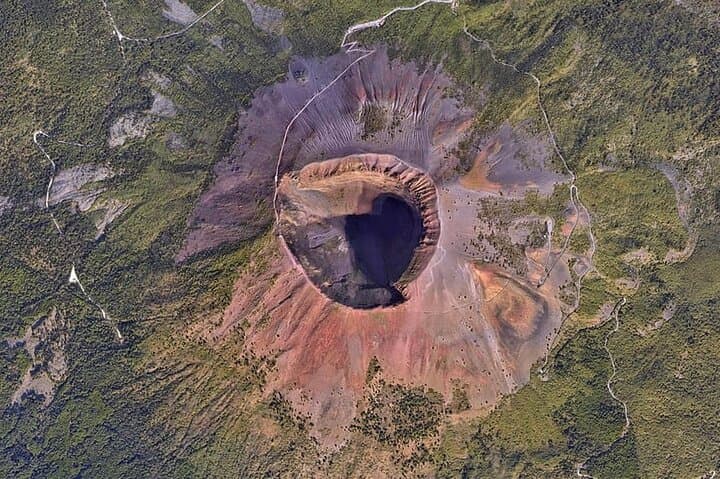
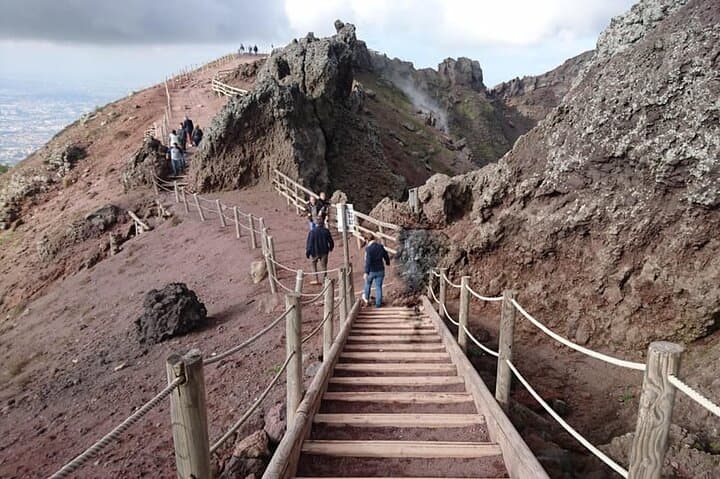
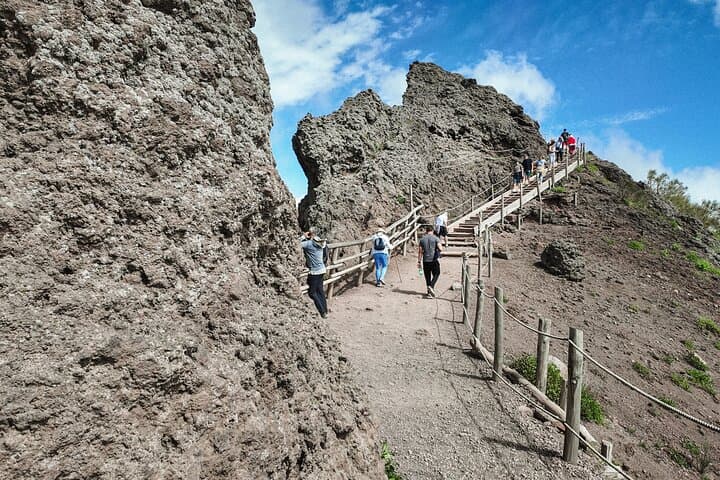
The route from Piazza Esedra takes roughly 45 minutes by road to the national park gate; from there the trail climbs through low scrub and loose pumice toward the crater rim. Geologically, Vesuvius is one of Italy’s most studied stratovolcanoes — its 79 AD eruption reshaped local culture and buried Pompeii under meters of ash. Today the crater’s rim shows fresh lava flows and fumaroles, while the Bay of Naples stretches blue below.
Culturally the mountain has long been woven into Neapolitan identity: shepherds, farmers, and scientists have all marked the slopes. Interpretation panels near the summit outline past eruptions and the ongoing monitoring that keeps the area safe.
Practicalities: the organized tour includes the €11.68 entrance ticket and round-trip bus, with about 110 minutes allotted at the top for walking, photos, and short crater views. Trails are uneven and can be steep in sections; footwear with traction is recommended. Bring at least 1–2 liters of water, sun protection, and a light wind layer—the summit is exposed and weather can change quickly. The meeting point is Piazza Esedra in Pompeii; the tour is listed as suitable for most fitness levels but is not recommended for visitors with significant mobility impairments. Aim for morning departures to avoid midday heat and crowds, and allow time afterward to explore Pompeii’s archaeological park.
moderate.
3–4 hours.
Light-to-moderate fitness: able to walk uphill on loose gravel for 20–40 minutes at a time.
Yes—the tour includes the Vesuvius National Park entrance ticket (listed at €11.68) and round-trip bus transfer from Piazza Esedra in Pompeii.
Expect a walk of roughly 20–40 minutes uphill from the park gate depending on pace; the tour allocates about 110 minutes at the volcano for exploration.
Many participants of varied ages can do the walk, but the path is uneven and not recommended for people with significant mobility impairments.
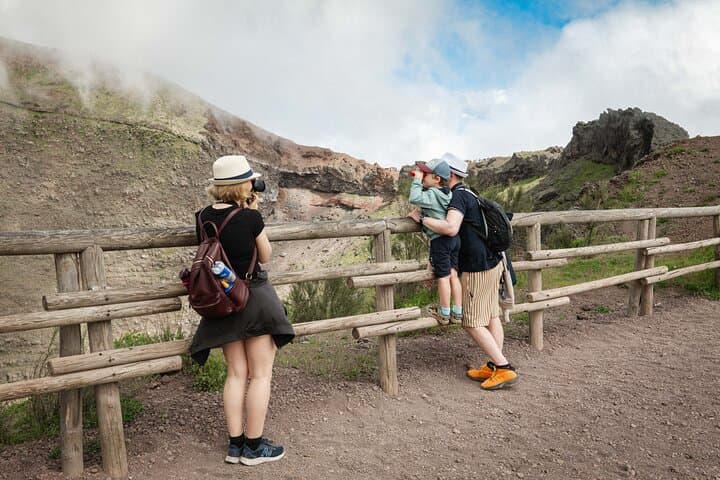
Clear days offer panoramic views across the Bay of Naples, including the city of Naples, Capri and the surrounding coastline; visibility depends on weather.
Vesuvius’ AD 79 eruption buried Pompeii and Herculaneum; the volcano has shaped regional agriculture and culture for millennia.
Vesuvius National Park monitors the volcano and manages foot traffic to reduce erosion—stay on marked trails and avoid disturbing vegetation or fumarolic areas.
InStazione operates guided outdoor trips and adventures with an emphasis on safety, stewardship, and memorable experiences.
You step off the air-conditioned bus into a wind that smells faintly of sulfur and thyme, the ruined city of Pompeii shrinking behind you as the slopes of Vesuvius rise up in dark, volcanic layers.
You step off the air-conditioned bus into a wind that smells faintly of sulfur and thyme, the ruined city of Pompeii shrinking behind you as the slopes of Vesuvius rise up in dark, volcanic layers.
The route from Piazza Esedra takes roughly 45 minutes by road to the national park gate; from there the trail climbs through low scrub and loose pumice toward the crater rim. Geologically, Vesuvius is one of Italy’s most studied stratovolcanoes — its 79 AD eruption reshaped local culture and buried Pompeii under meters of ash. Today the crater’s rim shows fresh lava flows and fumaroles, while the Bay of Naples stretches blue below.
Culturally the mountain has long been woven into Neapolitan identity: shepherds, farmers, and scientists have all marked the slopes. Interpretation panels near the summit outline past eruptions and the ongoing monitoring that keeps the area safe.
Practicalities: the organized tour includes the €11.68 entrance ticket and round-trip bus, with about 110 minutes allotted at the top for walking, photos, and short crater views. Trails are uneven and can be steep in sections; footwear with traction is recommended. Bring at least 1–2 liters of water, sun protection, and a light wind layer—the summit is exposed and weather can change quickly. The meeting point is Piazza Esedra in Pompeii; the tour is listed as suitable for most fitness levels but is not recommended for visitors with significant mobility impairments. Aim for morning departures to avoid midday heat and crowds, and allow time afterward to explore Pompeii’s archaeological park.