THE ADVENTURE COLLECTIVE® · Independent discovery and booking for outdoor travel

Board a shuttle from Washington, D.C., and spend five hours walking George Washington’s Mount Vernon estate — mansion rooms, working farm, and Potomac views that ground history in place. Practical tips for timing, mobility, and what to expect on the grounds.
Board a shuttle from Washington, D.C., and spend five hours walking George Washington’s Mount Vernon estate — mansion rooms, working farm, and Potomac views that ground history in place. Practical tips for timing, mobility, and what to expect on the grounds.
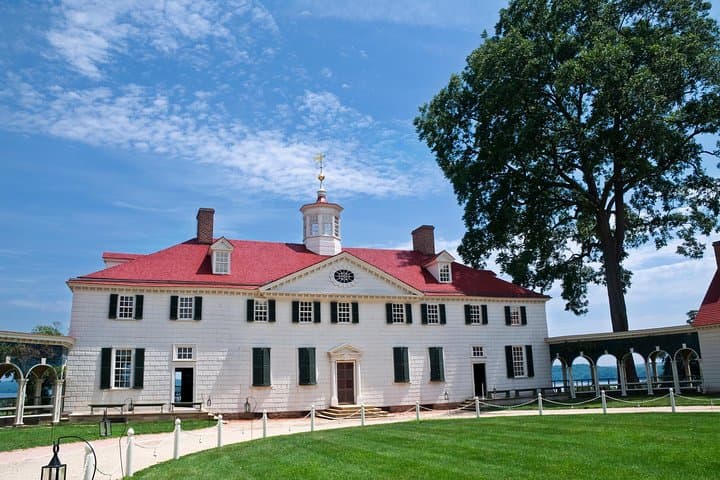
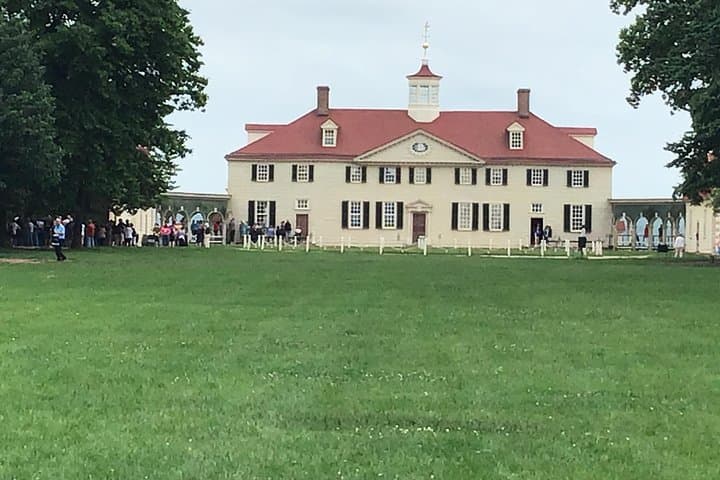
You step off the shuttle onto a gravel drive, the Potomac pressing silver at the edge of the lawn and a Georgian house rising above clipped gardens. Salt air and river breeze move through rows of boxwood as the guide folds the estate’s stories into view — family life, plantation management, and decisions that shaped a nation.
Verified experiences and guided adventures in the surrounding area.
Operated by Astra tours and transportation llc · Alexandria, Virginia
You step off the shuttle onto a gravel drive, the Potomac pressing silver at the edge of the lawn and a Georgian house rising above clipped gardens. Salt air and river breeze move through rows of boxwood as the guide folds the estate’s stories into view — family life, plantation management, and decisions that shaped a nation.
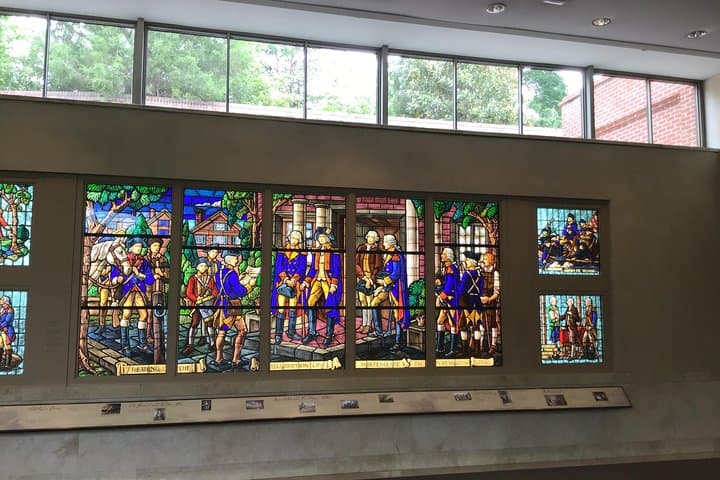
Mount Vernon sits on a gentle bluff carved by the Potomac; its red sandstone foundations and clapboard facade reflect 18th-century building practices while the surrounding fields still show traces of colonial agriculture. The estate’s history is immediate: Washington as landowner, farmer, and public figure; the enslaved people whose labor sustained the property; and later preservation efforts led by the Mount Vernon Ladies’ Association in the 19th century.
Culturally, the visit balances mansion rooms with outbuildings — the kitchen, the blacksmith shop, Pioneer Farm —giving context to daily life rather than a single heroic portrait. Geology and river dynamics are visible in shoreline erosion points and the estate’s orientation toward navigation on the Potomac.
Practical guidance: tours typically run five hours with transport from DC, so plan for a full morning or afternoon. Wear supportive walking shoes for uneven paths and a hat for sun exposure; a refillable bottle is useful — water stations are available but limited. Expect crowds at peak summer hours; arriving earlier or later in the day eases the experience. Photography is allowed in most outdoor areas; respect signage inside the mansion. Accessibility options exist for limited mobility, but check specific pickup/drop-off locations and inform the operator of needs in advance.
easy.
5 hours.
Suitable for most adults who can walk 1–3 miles at a relaxed pace; minimal climbs.
This tour typically includes guided transport and a guided visit but may not include mansion admission fees; check the booking page for specifics.
Mount Vernon has accessible paths and services, but notify the operator ahead of time so they can arrange appropriate pickup or accommodations.
The estate has a visitor center with restrooms and a dining facility; bring snacks for the shuttle as options may be limited en route.
Photography rules vary; outdoor photography is generally allowed, while some interior rooms restrict flash or any photography — follow posted signs and guide instructions.
Mount Vernon was George Washington’s plantation home and a working estate in the 18th century; preservation began in the 1850s through private stewardship that saved the property for public education.
The Mount Vernon Estate emphasizes preservation and responsible visitation — stay on marked paths, pack out trash, and respect historical structures to reduce wear on fragile sites.
Astra tours and transportation llc operates guided outdoor trips and adventures with an emphasis on safety, stewardship, and memorable experiences.

You step off the shuttle onto a gravel drive, the Potomac pressing silver at the edge of the lawn and a Georgian house rising above clipped gardens. Salt air and river breeze move through rows of boxwood as the guide folds the estate’s stories into view — family life, plantation management, and decisions that shaped a nation.
You step off the shuttle onto a gravel drive, the Potomac pressing silver at the edge of the lawn and a Georgian house rising above clipped gardens. Salt air and river breeze move through rows of boxwood as the guide folds the estate’s stories into view — family life, plantation management, and decisions that shaped a nation.
Mount Vernon sits on a gentle bluff carved by the Potomac; its red sandstone foundations and clapboard facade reflect 18th-century building practices while the surrounding fields still show traces of colonial agriculture. The estate’s history is immediate: Washington as landowner, farmer, and public figure; the enslaved people whose labor sustained the property; and later preservation efforts led by the Mount Vernon Ladies’ Association in the 19th century.
Culturally, the visit balances mansion rooms with outbuildings — the kitchen, the blacksmith shop, Pioneer Farm —giving context to daily life rather than a single heroic portrait. Geology and river dynamics are visible in shoreline erosion points and the estate’s orientation toward navigation on the Potomac.
Practical guidance: tours typically run five hours with transport from DC, so plan for a full morning or afternoon. Wear supportive walking shoes for uneven paths and a hat for sun exposure; a refillable bottle is useful — water stations are available but limited. Expect crowds at peak summer hours; arriving earlier or later in the day eases the experience. Photography is allowed in most outdoor areas; respect signage inside the mansion. Accessibility options exist for limited mobility, but check specific pickup/drop-off locations and inform the operator of needs in advance.