THE ADVENTURE COLLECTIVE® · Independent discovery and booking for outdoor travel

Spend a half-day walking the grounds where George Washington lived, toured by a licensed guide with reserved mansion access and free time to explore the farm, gardens, and Potomac waterfront. Includes a scenic drive through Old Town Alexandria en route.
Spend a half-day walking the grounds where George Washington lived, toured by a licensed guide with reserved mansion access and free time to explore the farm, gardens, and Potomac waterfront. Includes a scenic drive through Old Town Alexandria en route.
The bus pulls off the Beltway and suddenly the Potomac reasserts itself: pale water glints, tidal marsh pushes at the shoreline, and Mount Vernon’s low brick profile comes into view. You step down from the coach into a landscape that still reads like a working colonial estate—formal gardens, farm buildings, and the white-pillared mansion that kept George Washington close to the river he navigated as a young man.
Verified experiences and guided adventures in the surrounding area.
Operated by City Tours by LOBA · Mount Vernon, Virginia
The bus pulls off the Beltway and suddenly the Potomac reasserts itself: pale water glints, tidal marsh pushes at the shoreline, and Mount Vernon’s low brick profile comes into view. You step down from the coach into a landscape that still reads like a working colonial estate—formal gardens, farm buildings, and the white-pillared mansion that kept George Washington close to the river he navigated as a young man.
The estate dates to the 18th century, its house largely reconstructed and interpreted to show the daily life of a plantation and the Washington family’s household. Geologically the site sits on the Atlantic Coastal Plain; soils are sandy and flat, the landscape shaped by riverine processes rather than steep relief. Old Town Alexandria, by contrast, offers brick streets and Federal-era architecture reflecting the port town Washington knew—a living record of early American commerce and social life.
Expect a structured visit: an introductory film, a timed mansion tour, and free time to explore outbuildings, the working farm, and waterfront paths. Cultural notes: costumed interpreters may appear seasonally, and the estate emphasizes the complex history of enslaved people who worked there.
Practical guidance: arrive with comfortable walking shoes, sun protection, and a water bottle; the visit includes paved paths but some uneven historic surfaces. The day trip runs about five hours, including a scenic drive through Old Town Alexandria with photo stops. Tours operate from central Washington, D.C., and are best taken in morning light to avoid midday crowds at the mansion. Leave time to shop the museum store or sit by the Potomac before the return to the city.
moderate.
5 hours.
Light to moderate fitness for standing and walking up to a couple miles over varied surfaces; families with strollers can manage main routes.
The trip is about five hours total and includes coach transportation, an introductory film, reserved mansion tour time, and free time to explore the estate and grounds; admission fees to Mount Vernon are included.
Tours typically meet at the Hyatt Regency near Union Station (400 New Jersey Ave NW, Washington, D.C.); check your ticket for exact meeting instructions and arrival time.
The museum and certain areas are accessible, but some historic surfaces and buildings have uneven thresholds—guests in wheelchairs should contact the operator and the estate in advance for details and accommodations.
Mount Vernon has a food court and picnic areas; you may bring snacks but be mindful of historic areas and wildlife—trash receptacles are available in visitor zones.
Mount Vernon was George Washington’s plantation for over 40 years and reflects 18th-century plantation agriculture and architecture; Old Town Alexandria served as an important colonial port with Federal-era buildings still standing.
The estate manages shoreline and marshland with ongoing restoration projects to combat erosion and maintain tidal habitats; visitors are encouraged to stay on designated paths to protect fragile soils and wildlife.
City Tours by LOBA operates guided outdoor trips and adventures with an emphasis on safety, stewardship, and memorable experiences.
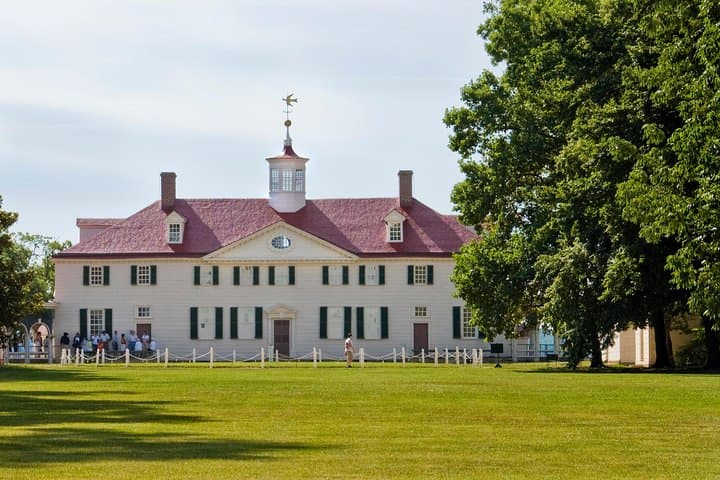

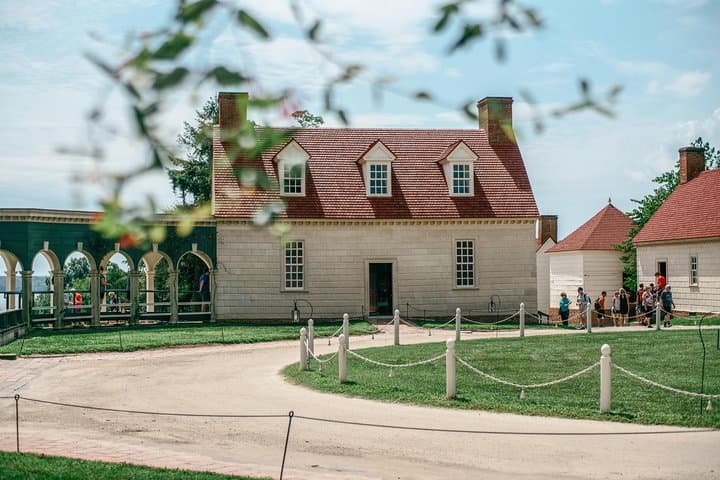
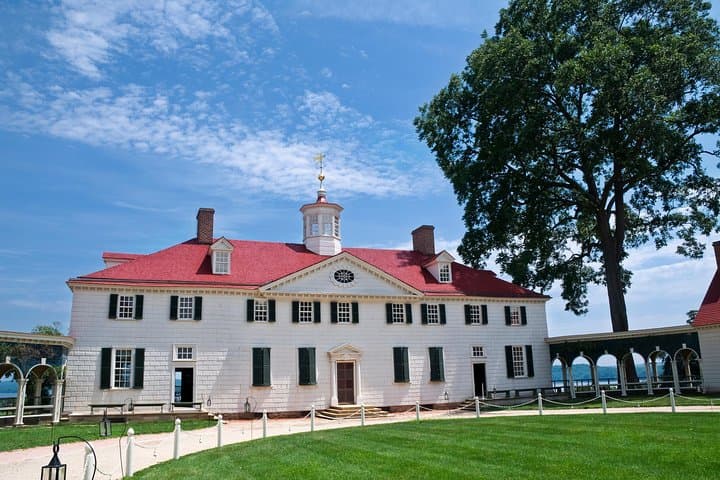
The bus pulls off the Beltway and suddenly the Potomac reasserts itself: pale water glints, tidal marsh pushes at the shoreline, and Mount Vernon’s low brick profile comes into view. You step down from the coach into a landscape that still reads like a working colonial estate—formal gardens, farm buildings, and the white-pillared mansion that kept George Washington close to the river he navigated as a young man.
The bus pulls off the Beltway and suddenly the Potomac reasserts itself: pale water glints, tidal marsh pushes at the shoreline, and Mount Vernon’s low brick profile comes into view. You step down from the coach into a landscape that still reads like a working colonial estate—formal gardens, farm buildings, and the white-pillared mansion that kept George Washington close to the river he navigated as a young man.
The estate dates to the 18th century, its house largely reconstructed and interpreted to show the daily life of a plantation and the Washington family’s household. Geologically the site sits on the Atlantic Coastal Plain; soils are sandy and flat, the landscape shaped by riverine processes rather than steep relief. Old Town Alexandria, by contrast, offers brick streets and Federal-era architecture reflecting the port town Washington knew—a living record of early American commerce and social life.
Expect a structured visit: an introductory film, a timed mansion tour, and free time to explore outbuildings, the working farm, and waterfront paths. Cultural notes: costumed interpreters may appear seasonally, and the estate emphasizes the complex history of enslaved people who worked there.
Practical guidance: arrive with comfortable walking shoes, sun protection, and a water bottle; the visit includes paved paths but some uneven historic surfaces. The day trip runs about five hours, including a scenic drive through Old Town Alexandria with photo stops. Tours operate from central Washington, D.C., and are best taken in morning light to avoid midday crowds at the mansion. Leave time to shop the museum store or sit by the Potomac before the return to the city.