THE ADVENTURE COLLECTIVE® · Independent discovery and booking for outdoor travel

Walk through George Washington’s Mount Vernon estate, explore the mansion and slave quarters with a government guide, then return to Old Town Alexandria’s historic streets — a compact day trip that blends presidential history with riverside culture.
Walk through George Washington’s Mount Vernon estate, explore the mansion and slave quarters with a government guide, then return to Old Town Alexandria’s historic streets — a compact day trip that blends presidential history with riverside culture.
Morning light cuts across the Potomac as the coach pulls into the broad gravel approach at Mount Vernon. The mansion sits low on its slope, its white clapboard facade watching the river push by, and the air carries the faint tang of tide and old wood. Visitors move from bus to guided narration, then step through landscaped yards where the rhythm of agricultural terraces and formal gardens still order the property.
Verified experiences and guided adventures in the surrounding area.
Operated by DC Guided Tours · Alexandria, Virginia
Morning light cuts across the Potomac as the coach pulls into the broad gravel approach at Mount Vernon. The mansion sits low on its slope, its white clapboard facade watching the river push by, and the air carries the faint tang of tide and old wood. Visitors move from bus to guided narration, then step through landscaped yards where the rhythm of agricultural terraces and formal gardens still order the property.
Built on an 18th-century plantation, Mount Vernon tells the layered story of George Washington — his role in the Revolutionary era, his life at the estate, and the enslaved people whose labor shaped the plantation’s economy. The site’s geology is coastal plain: clay and river silt that formed the plateau overlooking the Potomac, a landscape that invited tobacco and later mixed crops. Old Town Alexandria, a short drive back, offers Federal-era brick facades, cobblestone streets and a working waterfront that speak to the region’s trading past.
Practical guidance: tours combine a short drive with 3–4 hours on-site; expect paved paths, some uneven stone, and guided access to the mansion interior. Wear sturdy walking shoes and layers for river breezes; bring ID for ticketing and plan restroom and refreshment breaks at the museum center. Be prepared for reflective history at the slave quarters and memorial — photography is welcomed but respectful silence is encouraged in solemn areas.
Pair the visit with an afternoon in Old Town Alexandria to extend the day: riverfront promenades, the Torpedo Factory art center, and café seating that lets the Potomac’s current set the pace home.
moderate.
4–5 hours.
Moderate fitness: involves standing, walking on uneven terrain, and climbing several steps in the mansion
Yes — the tour provides entry to the Mount Vernon Estate; on arrival you will receive a ticket and join a government-issued guide for the mansion interior.
The grounds have paved routes but include steps and uneven surfaces; the mansion interior has limited accessibility—contact the operator or Mount Vernon staff for accommodations.
Yes — the museum complex includes restrooms, a cafeteria-style food option, and water refill stations near the visitor center.
Public transit to Union Station is convenient; the pickup location is a short walk from the station. Driving and paid parking options are also available nearby.
Mount Vernon was the lifelong home of George Washington and operated as a working plantation reliant on enslaved labor; the estate today interprets both his leadership and the lives of the enslaved community.
Mount Vernon’s preservation program focuses on historic restoration and sustainable stewardship of the grounds; visitors are encouraged to stay on paths and follow site guidelines to limit erosion and wear.
DC Guided Tours operates guided outdoor trips and adventures with an emphasis on safety, stewardship, and memorable experiences.
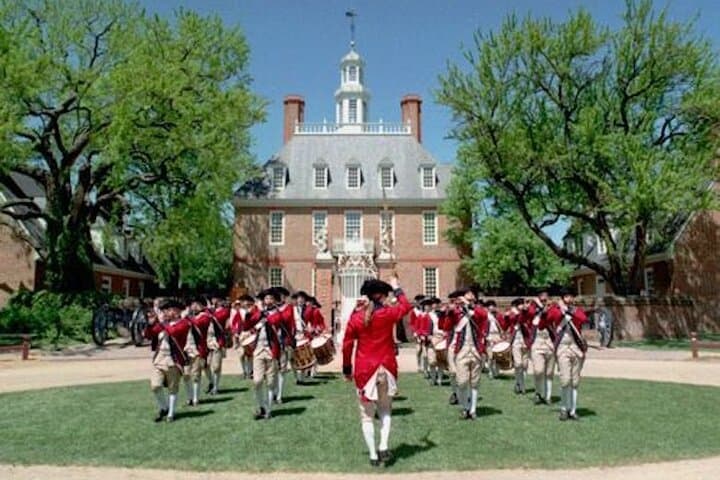
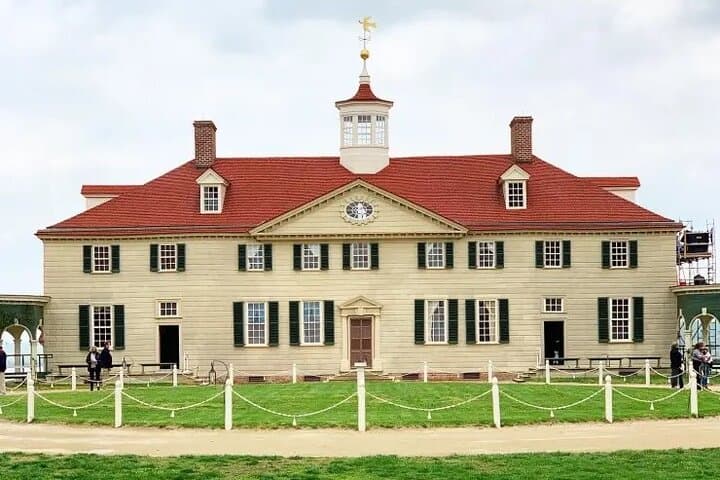
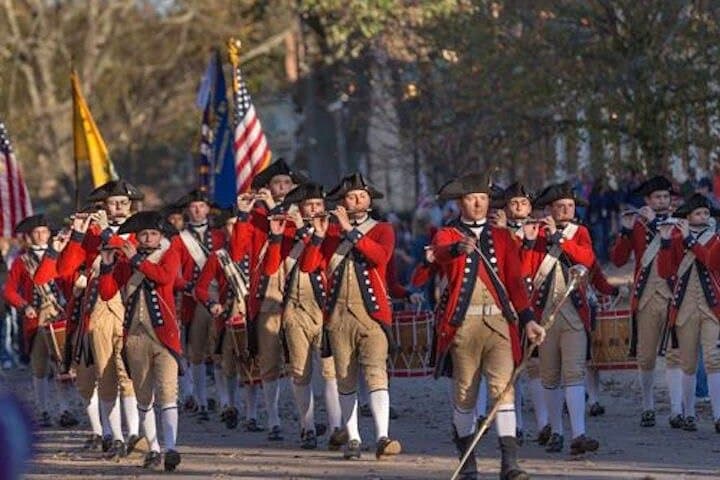
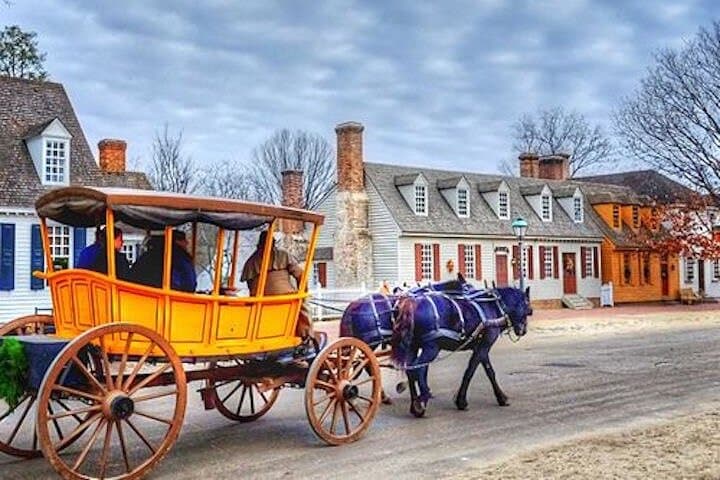
Morning light cuts across the Potomac as the coach pulls into the broad gravel approach at Mount Vernon. The mansion sits low on its slope, its white clapboard facade watching the river push by, and the air carries the faint tang of tide and old wood. Visitors move from bus to guided narration, then step through landscaped yards where the rhythm of agricultural terraces and formal gardens still order the property.
Morning light cuts across the Potomac as the coach pulls into the broad gravel approach at Mount Vernon. The mansion sits low on its slope, its white clapboard facade watching the river push by, and the air carries the faint tang of tide and old wood. Visitors move from bus to guided narration, then step through landscaped yards where the rhythm of agricultural terraces and formal gardens still order the property.
Built on an 18th-century plantation, Mount Vernon tells the layered story of George Washington — his role in the Revolutionary era, his life at the estate, and the enslaved people whose labor shaped the plantation’s economy. The site’s geology is coastal plain: clay and river silt that formed the plateau overlooking the Potomac, a landscape that invited tobacco and later mixed crops. Old Town Alexandria, a short drive back, offers Federal-era brick facades, cobblestone streets and a working waterfront that speak to the region’s trading past.
Practical guidance: tours combine a short drive with 3–4 hours on-site; expect paved paths, some uneven stone, and guided access to the mansion interior. Wear sturdy walking shoes and layers for river breezes; bring ID for ticketing and plan restroom and refreshment breaks at the museum center. Be prepared for reflective history at the slave quarters and memorial — photography is welcomed but respectful silence is encouraged in solemn areas.
Pair the visit with an afternoon in Old Town Alexandria to extend the day: riverfront promenades, the Torpedo Factory art center, and café seating that lets the Potomac’s current set the pace home.