THE ADVENTURE COLLECTIVE® · Independent discovery and booking for outdoor travel

A two-day, guided ascent of Mount Toubkal from Marrakech: alpine nights at a mountain refuge, a pre-dawn summit push to 4,167 m, and panoramic High Atlas views. Ideal for fit trekkers ready for altitude and rocky terrain.
A two-day, guided ascent of Mount Toubkal from Marrakech: alpine nights at a mountain refuge, a pre-dawn summit push to 4,167 m, and panoramic High Atlas views. Ideal for fit trekkers ready for altitude and rocky terrain.
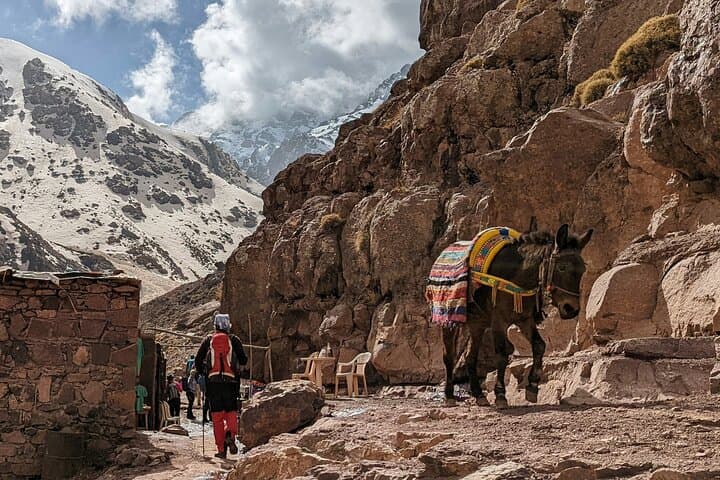
Before dawn the trail out of Imlil is a ribbon of headlamps crawling up the valley. Cold air bites, the track crunches underfoot, and terraces of stone farms step down toward Marrakech. By midmorning the High Atlas opens—sheer ridgelines, winds that push and test your pace, and the white dome of Sidi Chamharouch watching from a rocky shoulder.
Verified experiences and guided adventures in the surrounding area.
Operated by Best Travel Only · Imlil, Marrakech-Safi
Before dawn the trail out of Imlil is a ribbon of headlamps crawling up the valley. Cold air bites, the track crunches underfoot, and terraces of stone farms step down toward Marrakech. By midmorning the High Atlas opens—sheer ridgelines, winds that push and test your pace, and the white dome of Sidi Chamharouch watching from a rocky shoulder.
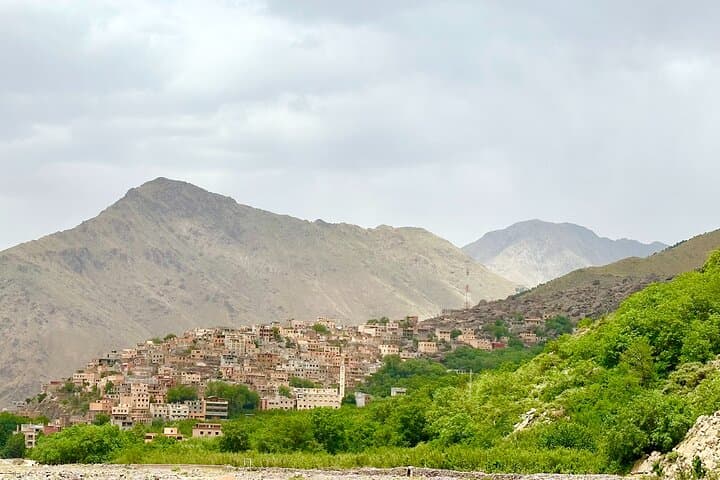
Geologically the Atlas is an uplifted block from the collision of African and Eurasian plates; volcanic and metamorphic rock create the steep valleys you climb. Culturally the region is Berber country—villages of stacked stone and flat roofs where shepherds and muleteers have guided travelers for generations. Sidi Chamharouch is both a waypoint and a living shrine where locals still leave offerings.
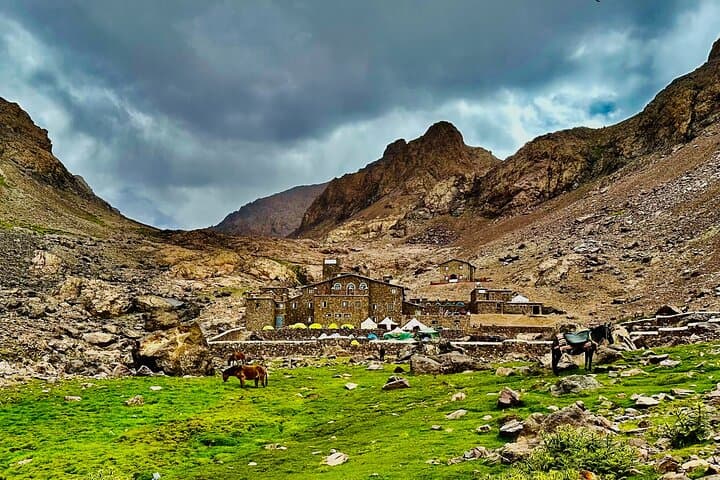
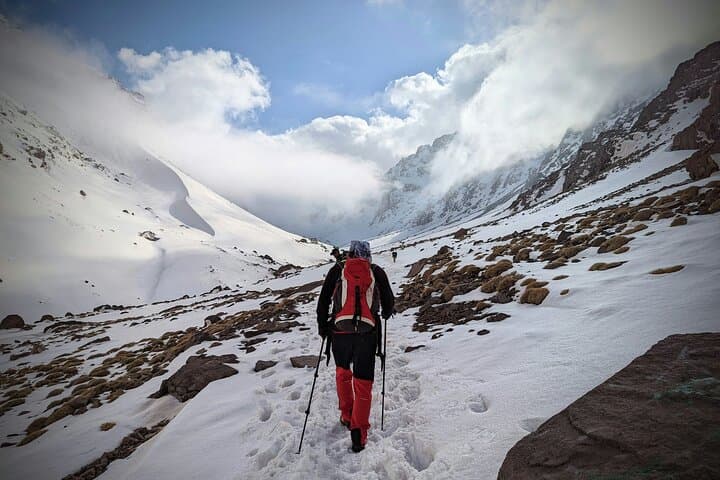
Practically, this itinerary runs two days: a 5–6 hour hike to base camp (~3,000 m) with simple refuge lodging, then an early pre-dawn 4–6 hour ascent to 4,167 m and a return scramble to Imlil. Expect sharp elevation change, rocky scree slopes, and potential snow above 3,500 m outside summer. A headlamp, steady boots, layered clothing, and a sleeping bag are non-negotiable. Hydrate well and move deliberately—altitude is the real obstacle, not technical climbing. Guides manage route-finding and local logistics, but groups should be fit and prepared for sudden weather.
Plan for 48 hours door-to-door from Marrakech, bring cash for gratuities and tea in villages, and allow an extra day in town to recover. The summit rewards effort with sweeping views toward the Sahara and a sense of standing on North Africa’s roof.
challenging.
2 days.
Requires high aerobic fitness and experience with long day hikes at altitude; able to carry a daypack for 8+ hours.
The summit involves a long, steep push starting before sunrise; it's non-technical but physically demanding due to elevation and loose terrain.
No technical climbing skills are required, but prior multi-day trekking experience and good fitness are important.
Accommodation is basic dormitory-style in a mountain refuge with shared facilities; bring a warm sleeping bag.
Late spring to early autumn offers the most stable conditions; winter brings snow and requires mountaineering equipment and experience.
Toubkal has long been a landmark for Berber communities; its routes were traditional shepherd tracks before becoming guided treks for visitors.
The High Atlas hosts fragile alpine vegetation and water sources; stick to established trails, minimize campfire use, and pack out waste to reduce impact.
Best Travel Only operates guided outdoor trips and adventures with an emphasis on safety, stewardship, and memorable experiences.
Before dawn the trail out of Imlil is a ribbon of headlamps crawling up the valley. Cold air bites, the track crunches underfoot, and terraces of stone farms step down toward Marrakech. By midmorning the High Atlas opens—sheer ridgelines, winds that push and test your pace, and the white dome of Sidi Chamharouch watching from a rocky shoulder.
Before dawn the trail out of Imlil is a ribbon of headlamps crawling up the valley. Cold air bites, the track crunches underfoot, and terraces of stone farms step down toward Marrakech. By midmorning the High Atlas opens—sheer ridgelines, winds that push and test your pace, and the white dome of Sidi Chamharouch watching from a rocky shoulder.
Geologically the Atlas is an uplifted block from the collision of African and Eurasian plates; volcanic and metamorphic rock create the steep valleys you climb. Culturally the region is Berber country—villages of stacked stone and flat roofs where shepherds and muleteers have guided travelers for generations. Sidi Chamharouch is both a waypoint and a living shrine where locals still leave offerings.
Practically, this itinerary runs two days: a 5–6 hour hike to base camp (~3,000 m) with simple refuge lodging, then an early pre-dawn 4–6 hour ascent to 4,167 m and a return scramble to Imlil. Expect sharp elevation change, rocky scree slopes, and potential snow above 3,500 m outside summer. A headlamp, steady boots, layered clothing, and a sleeping bag are non-negotiable. Hydrate well and move deliberately—altitude is the real obstacle, not technical climbing. Guides manage route-finding and local logistics, but groups should be fit and prepared for sudden weather.
Plan for 48 hours door-to-door from Marrakech, bring cash for gratuities and tea in villages, and allow an extra day in town to recover. The summit rewards effort with sweeping views toward the Sahara and a sense of standing on North Africa’s roof.