THE ADVENTURE COLLECTIVE® · Independent discovery and booking for outdoor travel

Scale North Africa’s highest peak on a compact two-day, private guided ascent from Marrakech. This luxury option uses mule logistics and a night at Neltner Hut to make the summit achievable for fit hikers.
Scale North Africa’s highest peak on a compact two-day, private guided ascent from Marrakech. This luxury option uses mule logistics and a night at Neltner Hut to make the summit achievable for fit hikers.
Dawn breaks over the High Atlas and the trail out of Imlil winds upward, cool air pushing at your face as the valley loosens behind you.
Verified experiences and guided adventures in the surrounding area.
Operated by Morocco Destination Experts · Imlil, Marrakech-Safi
Dawn breaks over the High Atlas and the trail out of Imlil winds upward, cool air pushing at your face as the valley loosens behind you.
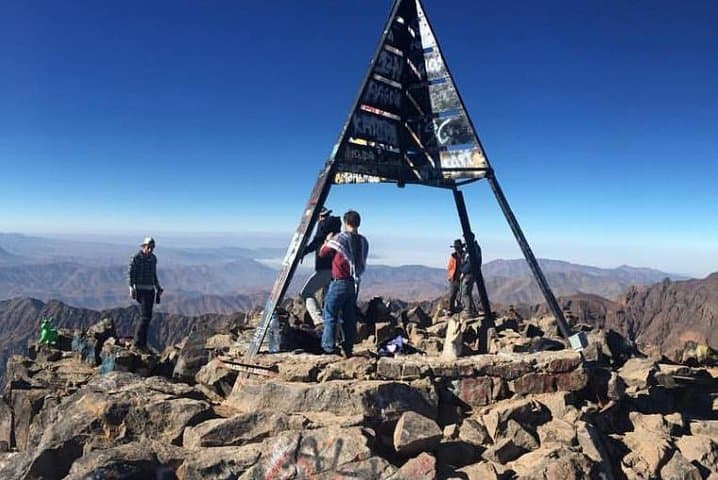
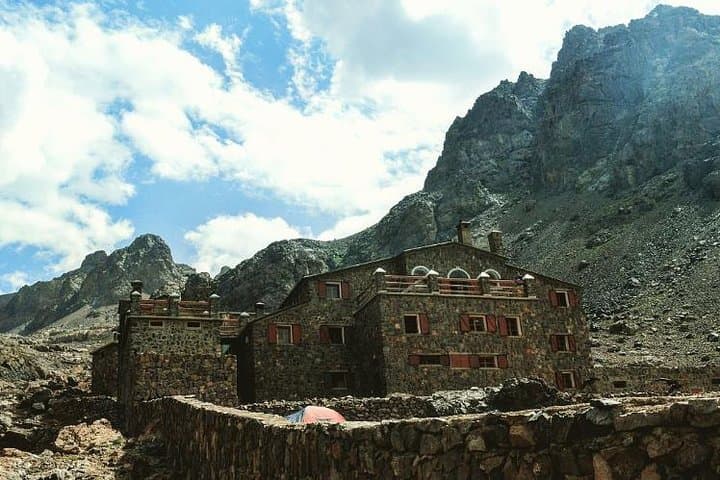
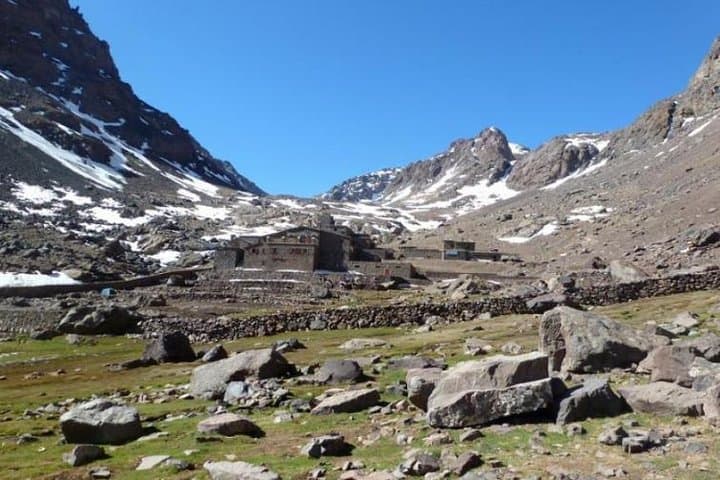
You’ll climb through terraced fields and cedar scrub, past Aremd and the small shrine at Sidi Chamarouch, the mules loaded and the guide setting a steady pace toward Neltner Hut at 3,210 m. On day two you rise before sunrise for the final push: a steady, exposed ascent of loose scree and rocky ramps to Toubkal’s summit at 4,167 m, where the plains of Haouz and a horizon that runs toward the Sahara open like a map.
Geology here is rugged: weathered volcanic and metamorphic rock carved by glacial action into sharp ridgelines. The population is primarily Berber; village life—stone houses, terraced plots, and mule logistics—still shapes access to the peaks. Neltner Hut carries the mountaineering legacy of early climbers while serving modern trekkers in private rooms.
Practical guidance: expect 9–12 hours of walking across two days with significant altitude gain; bring warm layers, a headlamp, and high-calorie snacks. Hydrate well and sleep early at the refuge—altitude is the main risk, not technical terrain. Mules carry luggage but pack a comfortable daypack for summit essentials. Guides handle logistics and transfers back to Marrakech the late afternoon of day two, leaving little to organize but your pace and acclimatization.
This route is direct, dramatic, and logistical-smart for travelers short on time who want the High Atlas summit experience without technical climbing.
challenging.
2 days.
Good aerobic fitness; comfortable hiking 6–8 hours with steady elevation gain and basic high-altitude endurance.
The route is non-technical but strenuous: expect steep, sustained climbing and altitude; previous day-hiking experience and good fitness are recommended.
Transfers from Marrakech, guided trek, mule support for luggage, two lunches, overnight at Neltner Hut in a private room, and return drop-off are included.
No technical gear is required for the normal route in summer and most of the year; in winter or heavy snow conditions, crampons and ice axe may be necessary—ask your operator.
Late spring through early autumn (May–October) offers the most stable conditions; winter climbs are possible but require alpine equipment and experience.
Toubkal has long been central to local Berber communities; the Neltner Hut honors early European mountaineers and has been a refuge for climbers since the early 20th century.
Trail erosion and waste are local concerns—use provided mule services and pack out what you bring; support local guides to help conserve community economies and landscapes.
Morocco Destination Experts operates guided outdoor trips and adventures with an emphasis on safety, stewardship, and memorable experiences.
Dawn breaks over the High Atlas and the trail out of Imlil winds upward, cool air pushing at your face as the valley loosens behind you.
Dawn breaks over the High Atlas and the trail out of Imlil winds upward, cool air pushing at your face as the valley loosens behind you.
You’ll climb through terraced fields and cedar scrub, past Aremd and the small shrine at Sidi Chamarouch, the mules loaded and the guide setting a steady pace toward Neltner Hut at 3,210 m. On day two you rise before sunrise for the final push: a steady, exposed ascent of loose scree and rocky ramps to Toubkal’s summit at 4,167 m, where the plains of Haouz and a horizon that runs toward the Sahara open like a map.
Geology here is rugged: weathered volcanic and metamorphic rock carved by glacial action into sharp ridgelines. The population is primarily Berber; village life—stone houses, terraced plots, and mule logistics—still shapes access to the peaks. Neltner Hut carries the mountaineering legacy of early climbers while serving modern trekkers in private rooms.
Practical guidance: expect 9–12 hours of walking across two days with significant altitude gain; bring warm layers, a headlamp, and high-calorie snacks. Hydrate well and sleep early at the refuge—altitude is the main risk, not technical terrain. Mules carry luggage but pack a comfortable daypack for summit essentials. Guides handle logistics and transfers back to Marrakech the late afternoon of day two, leaving little to organize but your pace and acclimatization.
This route is direct, dramatic, and logistical-smart for travelers short on time who want the High Atlas summit experience without technical climbing.