THE ADVENTURE COLLECTIVE® · Independent discovery and booking for outdoor travel

A two-day ascent from Marrakech via Imlil, this classic route climbs from valley fields to the highest peak in North Africa. Expect steep scree, early starts, mule support, and refuge sleeping as you aim for 4,167 m.
A two-day ascent from Marrakech via Imlil, this classic route climbs from valley fields to the highest peak in North Africa. Expect steep scree, early starts, mule support, and refuge sleeping as you aim for 4,167 m.
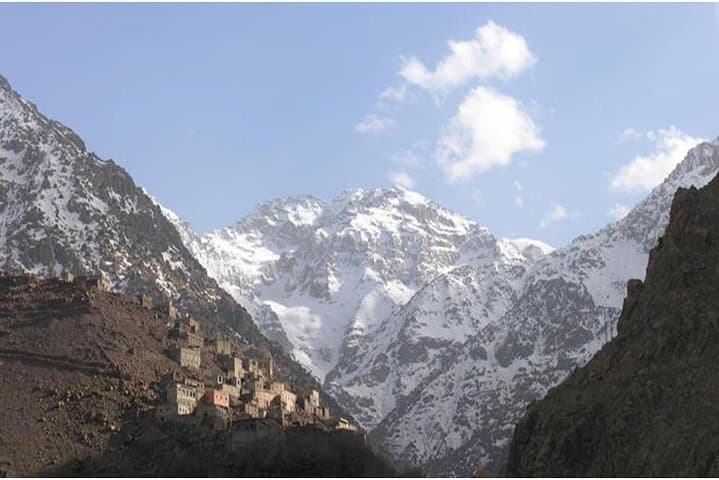
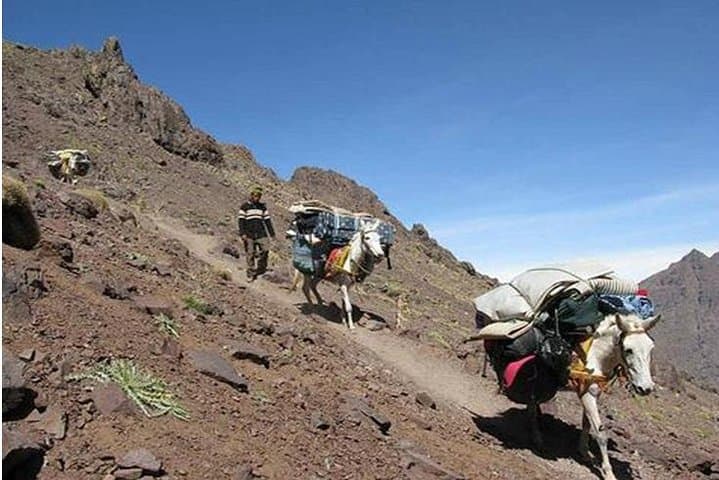
Before dawn the road from Marrakech carves up from palm groves into the High Atlas; by the time you reach Imlil the air is thin and the valley hushes. Footsteps on packed earth and the clink of mule gear mark the first day as you climb Aït Mizane toward the Toubkal Refuge, a squat stone outpost sitting above the treeline at roughly 3,200 m.
Verified experiences and guided adventures in the surrounding area.
Operated by Targa Travel & Trekkinginmorocco · Imlil, Marrakech-Safi
Before dawn the road from Marrakech carves up from palm groves into the High Atlas; by the time you reach Imlil the air is thin and the valley hushes. Footsteps on packed earth and the clink of mule gear mark the first day as you climb Aït Mizane toward the Toubkal Refuge, a squat stone outpost sitting above the treeline at roughly 3,200 m.
The High Atlas is the result of ancient plate collisions, folded and uplifted into jagged ridges that hold snow late into spring. Berber villages like Aremd and the shrine of Sidi Chamharouch stage the human side of the mountain — working paths, teahouses, and a guide tradition that still moves people and supplies by mule.
Expect a solid day of uphill hiking (Imlil → Refuge ≈ 5–6 hours, +1,400 m gain), then an alpine start for a 3–4 hour summit push on day two to reach 4,167 m. Terrain shifts from terraced fields to scree and rocky ridge; in winter and early spring, snow and ice turn the final slopes technical.
Practical essentials: start early, pace for altitude, and use a guide familiar with route-finding above 3,500 m. The refuge provides a roof and meals but bring layered clothing, a headlamp for summit departures, and trekking poles for descent control. Transfers from Marrakech take about 90 minutes one way; most operators include pickup and mule support to carry bags.
Whether you come for the panoramic views toward the plains and distant Sahara or to test high-altitude fitness, Toubkal rewards preparation as much as willpower.
challenging.
2 days.
Good cardiovascular fitness and experience with full-day hikes; comfort on sustained uphill and loose terrain is important.
Day one from Imlil to the refuge is typically 5–6 hours (≈1,400 m gain); day two is an early 3–4 hour ascent to the summit followed by descent and return to Marrakech.
No technical climbing is required in summer, but experience with long mountain hikes and high-altitude trekking is strongly recommended; winter conditions may require crampons and ice axe.
Yes — most operators include meals for the two days and an overnight stay at the Toubkal Refuge; confirm specifics with your provider.
Transfers from Marrakech to Imlil take about 1.5 hours and are commonly included; if arranging independently, plan for a morning drive and secure parking or transport back.
Berber communities have used the Imlil trails for centuries; Sidi Chamharouch is a local pilgrimage shrine that sits on the route to the refuge.
Refuge-based stays and mule transport reduce campfire impact; stick to marked trails and pack out waste to protect fragile alpine flora.
Targa Travel & Trekkinginmorocco operates guided outdoor trips and adventures with an emphasis on safety, stewardship, and memorable experiences.
Before dawn the road from Marrakech carves up from palm groves into the High Atlas; by the time you reach Imlil the air is thin and the valley hushes. Footsteps on packed earth and the clink of mule gear mark the first day as you climb Aït Mizane toward the Toubkal Refuge, a squat stone outpost sitting above the treeline at roughly 3,200 m.
Before dawn the road from Marrakech carves up from palm groves into the High Atlas; by the time you reach Imlil the air is thin and the valley hushes. Footsteps on packed earth and the clink of mule gear mark the first day as you climb Aït Mizane toward the Toubkal Refuge, a squat stone outpost sitting above the treeline at roughly 3,200 m.
The High Atlas is the result of ancient plate collisions, folded and uplifted into jagged ridges that hold snow late into spring. Berber villages like Aremd and the shrine of Sidi Chamharouch stage the human side of the mountain — working paths, teahouses, and a guide tradition that still moves people and supplies by mule.
Expect a solid day of uphill hiking (Imlil → Refuge ≈ 5–6 hours, +1,400 m gain), then an alpine start for a 3–4 hour summit push on day two to reach 4,167 m. Terrain shifts from terraced fields to scree and rocky ridge; in winter and early spring, snow and ice turn the final slopes technical.
Practical essentials: start early, pace for altitude, and use a guide familiar with route-finding above 3,500 m. The refuge provides a roof and meals but bring layered clothing, a headlamp for summit departures, and trekking poles for descent control. Transfers from Marrakech take about 90 minutes one way; most operators include pickup and mule support to carry bags.
Whether you come for the panoramic views toward the plains and distant Sahara or to test high-altitude fitness, Toubkal rewards preparation as much as willpower.