THE ADVENTURE COLLECTIVE® · Independent discovery and booking for outdoor travel

Soar over Inferno Crater and land on Mount Tarawera before ferrying to Orakei Korako’s geysers and silica terraces. This dual‑landing scenic flight blends dramatic aerial views with short, guided geothermal walks.
Soar over Inferno Crater and land on Mount Tarawera before ferrying to Orakei Korako’s geysers and silica terraces. This dual‑landing scenic flight blends dramatic aerial views with short, guided geothermal walks.
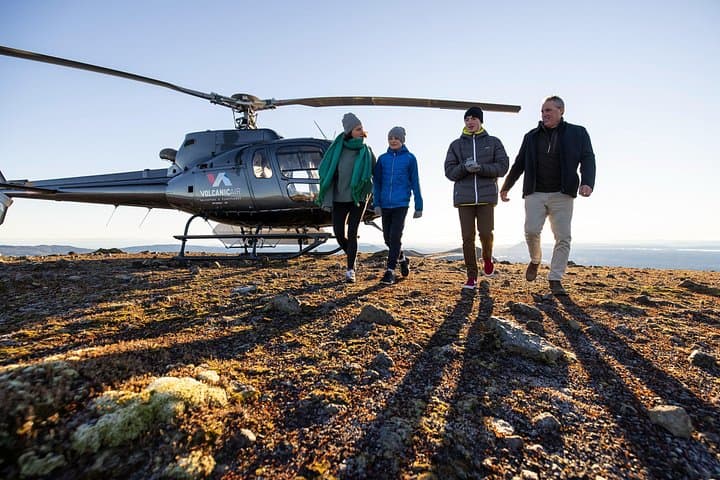
You lift off from Rotorua’s lakefront and the city slips behind you, the plane tilting to reveal a cratered horizon where steam rises like breath from the earth. Below, the teal pulse of Inferno Crater and the pale swirl of Frying Pan Lake draw the eye; then the pilot eases down to Mount Tarawera and the hush of pumice slopes replaces the drone of the engine.
Verified experiences and guided adventures in the surrounding area.
Operated by Volcanic Air · Rotorua, Bay of Plenty
You lift off from Rotorua’s lakefront and the city slips behind you, the plane tilting to reveal a cratered horizon where steam rises like breath from the earth. Below, the teal pulse of Inferno Crater and the pale swirl of Frying Pan Lake draw the eye; then the pilot eases down to Mount Tarawera and the hush of pumice slopes replaces the drone of the engine.
The route threads volcanic history and living geothermal systems. Tarawera’s 1886 eruption reshaped the landscape and left a ring of craters and domes; the rugged lava and ash fields around the summit are geological notes of that violent day. Orakei Korako, tucked into a Waikato River valley, preserves large silica terraces, geysers and hot springs — a place long known and respected by local iwi for its thermal mana.
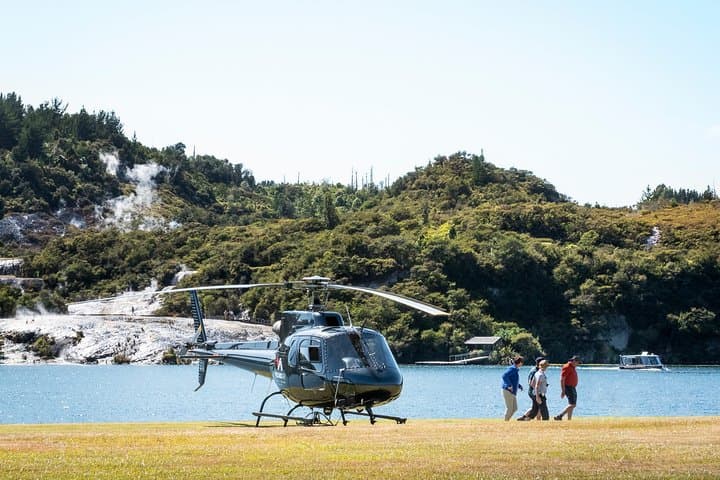
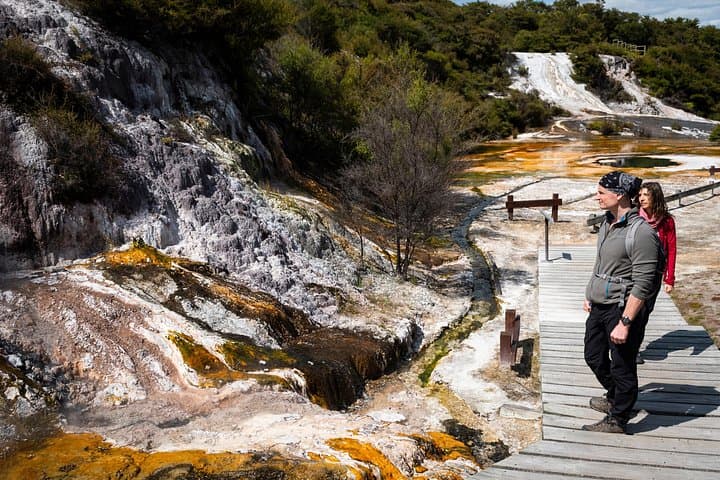
On the ground you’ll ferry across the river and walk short, boardwalked sections past geysers, mud pools, and vibrant mineral pans. The air tastes of iron and sulphur; steam dares you closer while warnings keep the curious back. Guides point out features and cultural context, grounding the spectacle in Māori stories and conservation concerns.
Practically: the flight-tour is about three hours total and includes two landings with guided exploration time. Wear sturdy shoes and a windproof layer — geothermal steam and open slopes can be cool. Cameras are indispensable, but stay on paths and heed guide instructions to protect fragile silica formations. Best times are morning or late afternoon light for contrast and fewer crowds. The experience balances aerial drama with measured, interpretive walks — a short, intense way to read New Zealand’s volcanic story from air and earth.
easy.
3 hours.
Minimal fitness required; short guided walks on boardwalks and flat trails, but you should be comfortable boarding small aircraft.
Total trip time is about three hours; the itinerary typically includes a 20-minute Mount Tarawera landing and roughly 90 minutes exploring Orakei Korako.
Infants are allowed but must sit on an adult’s lap during the flight; the activity is rated easy but requires close supervision near geothermal features.
Passengers with heart conditions or poor cardiovascular health are advised not to fly; booking requires passenger weights for safety and balance.
Flights may be cancelled for poor weather or insufficient passengers; operators usually require at least two adult fares and offer full refunds if cancelled 24+ hours in advance.
The 1886 Tarawera eruption was one of New Zealand’s most significant volcanic events, reshaping the landscape and affecting local Māori communities; both Tarawera and Orakei Korako hold cultural significance to iwi in the region.
Thermal features are fragile and travel operators emphasize staying on boardwalks and respecting cultural sites; visitors should follow Leave No Trace principles and local iwi guidance.
Volcanic Air operates guided outdoor trips and adventures with an emphasis on safety, stewardship, and memorable experiences.

You lift off from Rotorua’s lakefront and the city slips behind you, the plane tilting to reveal a cratered horizon where steam rises like breath from the earth. Below, the teal pulse of Inferno Crater and the pale swirl of Frying Pan Lake draw the eye; then the pilot eases down to Mount Tarawera and the hush of pumice slopes replaces the drone of the engine.
You lift off from Rotorua’s lakefront and the city slips behind you, the plane tilting to reveal a cratered horizon where steam rises like breath from the earth. Below, the teal pulse of Inferno Crater and the pale swirl of Frying Pan Lake draw the eye; then the pilot eases down to Mount Tarawera and the hush of pumice slopes replaces the drone of the engine.
The route threads volcanic history and living geothermal systems. Tarawera’s 1886 eruption reshaped the landscape and left a ring of craters and domes; the rugged lava and ash fields around the summit are geological notes of that violent day. Orakei Korako, tucked into a Waikato River valley, preserves large silica terraces, geysers and hot springs — a place long known and respected by local iwi for its thermal mana.
On the ground you’ll ferry across the river and walk short, boardwalked sections past geysers, mud pools, and vibrant mineral pans. The air tastes of iron and sulphur; steam dares you closer while warnings keep the curious back. Guides point out features and cultural context, grounding the spectacle in Māori stories and conservation concerns.
Practically: the flight-tour is about three hours total and includes two landings with guided exploration time. Wear sturdy shoes and a windproof layer — geothermal steam and open slopes can be cool. Cameras are indispensable, but stay on paths and heed guide instructions to protect fragile silica formations. Best times are morning or late afternoon light for contrast and fewer crowds. The experience balances aerial drama with measured, interpretive walks — a short, intense way to read New Zealand’s volcanic story from air and earth.