THE ADVENTURE COLLECTIVE® · Independent discovery and booking for outdoor travel

Take a rapid train from Jinan, ride a panoramic cable car and walk among millennia of temples and stone inscriptions on Mount Tai. This private tour pairs efficient transport with deep cultural and geological context—ideal for travelers who want peak views without a full summit scramble.
Take a rapid train from Jinan, ride a panoramic cable car and walk among millennia of temples and stone inscriptions on Mount Tai. This private tour pairs efficient transport with deep cultural and geological context—ideal for travelers who want peak views without a full summit scramble.
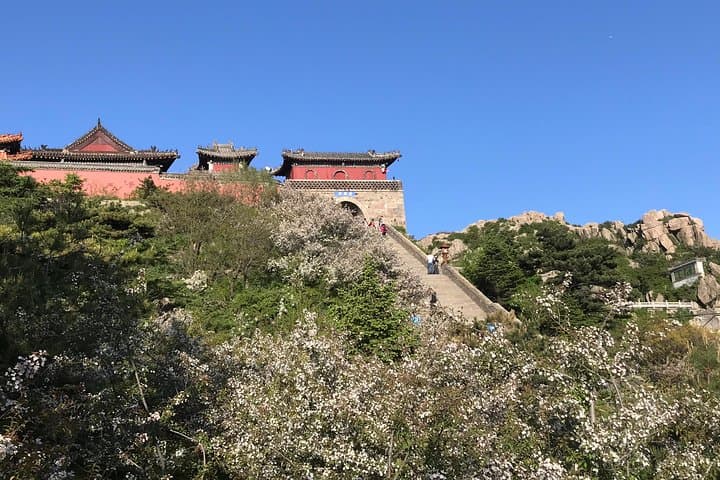
A pale morning train slides out of Jinan and, within 20 minutes, the city flattens into fields and the low rise of Taishan fills the window. From the rail station the guide moves with practiced ease: a bus to the Mid‑Heaven Gate, a panoramic cable car up toward South Heaven Gate, and then a walk among stacked stone stairways and temple courtyards that have watched emperors and pilgrims for millennia.
Verified experiences and guided adventures in the surrounding area.
Operated by Unique Beijing Tours · Tai'an, Shandong
A pale morning train slides out of Jinan and, within 20 minutes, the city flattens into fields and the low rise of Taishan fills the window. From the rail station the guide moves with practiced ease: a bus to the Mid‑Heaven Gate, a panoramic cable car up toward South Heaven Gate, and then a walk among stacked stone stairways and temple courtyards that have watched emperors and pilgrims for millennia.
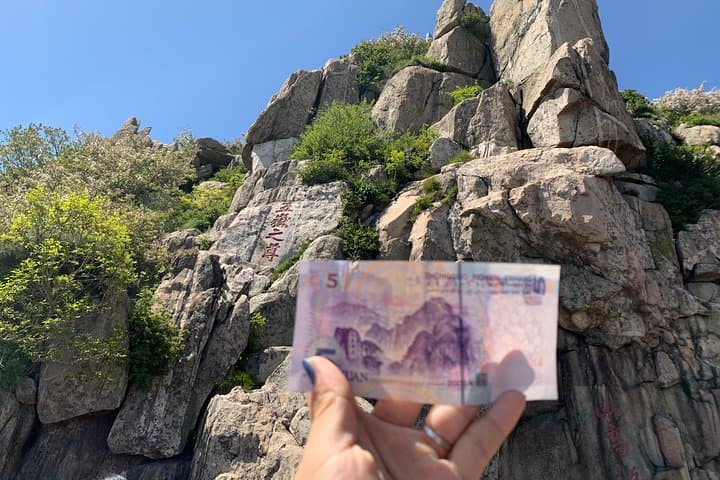
Mount Tai (Taishan) is one of China’s Five Great Mountains and a UNESCO World Heritage Site—its granite spine is the visible record of uplift and erosion across geological time. Human stories are layered on top: Neolithic activity, Song‑Dynasty temples like Bixia, and Dai Temple at the base where imperial processions once began. Stones here bear inscriptions and historical plaques; the Jade Emperor Peak is both a viewpoint and a ritual place.
Expect steep steps where you walk, and broad platforms around temple halls where you linger. The cable car trims hours of climb and delivers panoramic perspectives of forested slopes and the city beyond. Guides commonly explain Taoist practices and the symbolic meaning of temple layouts while pointing out calligraphy and imperial steles.
Practical notes: bring a daypack with water and layered clothing—the top can be several degrees cooler and windier. Footwear should handle uneven stone and long stair sections. Aim for morning departures to avoid late‑day crowds and to get clearer visibility. Passports are required for booking and bring cash or card for small temple offerings and snacks. Whether you finish in Tai’an or return to Jinan, the route combines efficient transport with concentrated cultural and geological payoff.
moderate.
8–10 hours.
Suitable for most people who can manage multiple flights of stone steps and periods of standing; minimal aerobic strain if using cable car.
The itinerary uses train, bus and cable car so strenuous climbing is optional; however, there are many stone steps and short walks on uneven ground—moderate fitness is recommended.
Yes—while the tour includes a cable car round trip, guests can choose to ascend or descend on foot where permitted; discuss options with your guide in advance.
Yes—the tour includes a private English‑speaking guide who explains history, temple architecture and local customs throughout the day.
Yes—after the mountain visit you may choose to finish the tour in Tai’an or return to Jinan; confirm your preference at booking.
Mount Tai has been a site of ritual homage to heaven and earth for over two millennia; emperors performed official sacrifices here and the mountain accumulated temples, inscriptions and pilgrimage routes across dynasties.
High visitor numbers require managed access—stay on marked paths, avoid touching inscriptions, and follow local guidance to protect fragile temple structures and alpine vegetation.
Unique Beijing Tours operates guided outdoor trips and adventures with an emphasis on safety, stewardship, and memorable experiences.


A pale morning train slides out of Jinan and, within 20 minutes, the city flattens into fields and the low rise of Taishan fills the window. From the rail station the guide moves with practiced ease: a bus to the Mid‑Heaven Gate, a panoramic cable car up toward South Heaven Gate, and then a walk among stacked stone stairways and temple courtyards that have watched emperors and pilgrims for millennia.
A pale morning train slides out of Jinan and, within 20 minutes, the city flattens into fields and the low rise of Taishan fills the window. From the rail station the guide moves with practiced ease: a bus to the Mid‑Heaven Gate, a panoramic cable car up toward South Heaven Gate, and then a walk among stacked stone stairways and temple courtyards that have watched emperors and pilgrims for millennia.
Mount Tai (Taishan) is one of China’s Five Great Mountains and a UNESCO World Heritage Site—its granite spine is the visible record of uplift and erosion across geological time. Human stories are layered on top: Neolithic activity, Song‑Dynasty temples like Bixia, and Dai Temple at the base where imperial processions once began. Stones here bear inscriptions and historical plaques; the Jade Emperor Peak is both a viewpoint and a ritual place.
Expect steep steps where you walk, and broad platforms around temple halls where you linger. The cable car trims hours of climb and delivers panoramic perspectives of forested slopes and the city beyond. Guides commonly explain Taoist practices and the symbolic meaning of temple layouts while pointing out calligraphy and imperial steles.
Practical notes: bring a daypack with water and layered clothing—the top can be several degrees cooler and windier. Footwear should handle uneven stone and long stair sections. Aim for morning departures to avoid late‑day crowds and to get clearer visibility. Passports are required for booking and bring cash or card for small temple offerings and snacks. Whether you finish in Tai’an or return to Jinan, the route combines efficient transport with concentrated cultural and geological payoff.