THE ADVENTURE COLLECTIVE® · Independent discovery and booking for outdoor travel

A seven‑day trek across the Sirwa Massif from Berber gites to a 3,305 m volcanic summit. Expect varied terrain, saffron fields, mule‑supported camps, and one steep scramble to the top.
A seven‑day trek across the Sirwa Massif from Berber gites to a 3,305 m volcanic summit. Expect varied terrain, saffron fields, mule‑supported camps, and one steep scramble to the top.
You wake before dawn under a tarp of stars, the desert chill still holding the high valleys as mules stamp and guides prepare breakfast. The Sirwa Massif opens like a hard-edged map: basalt ridgelines, terraced fields below, and the blunt cone of Jebel Sirwa rising to 3,305 m. On this seven‑day route you move from village tracks into exposed, volcanic high country — each day marked by a different rhythm of ascent and descent.
Verified experiences and guided adventures in the surrounding area.
Operated by View Morocco - DMC Adventure Travel Company · Taliouine, Souss‑Massa
You wake before dawn under a tarp of stars, the desert chill still holding the high valleys as mules stamp and guides prepare breakfast. The Sirwa Massif opens like a hard-edged map: basalt ridgelines, terraced fields below, and the blunt cone of Jebel Sirwa rising to 3,305 m. On this seven‑day route you move from village tracks into exposed, volcanic high country — each day marked by a different rhythm of ascent and descent.
The massif sits on the boundary between the High Atlas and Anti‑Atlas and is the remains of an ancient stratovolcano; its geology is a mix of volcanic rock and eroded terraces. Culturally the area is shaped by Berber life: stone gites, saffron fields around Taliouine (the only place in Morocco where saffron is traditionally harvested), and small villages that still irrigate terraces by hand.
Expect long walking days — 4–7 hours on trails that range from river valleys to steep, rocky scrambles — and one technical summit push that requires hands for balance on loose rock.
Practically: start early to avoid heat, carry layered clothing for windy ridgelines and chilly nights, and plan for simple gite and tent accommodation. Hydration and sun protection are nonnegotiable; altitude gain on summit day is significant so pace conservatively. Guides handle logistics and mules carry camp gear, but boot comfort, ankle support, and a light daypack make the difference on narrow, zigzagging tracks. By the summit, the wind pushes you forward and the wide Moroccan horizon pays you back.
challenging.
6–8 days.
Good cardiovascular fitness and leg strength recommended; able to walk 5–7 hours on rough terrain and manage 800–1,100 m of ascent in a day.
Spring and autumn offer the best balance of milder temperatures and stable weather; summer can be hot in the valleys and winter may bring snow on the summit.
You don’t need formal mountaineering experience, but you should be comfortable with long days, steep ascents, and basic scrambling; guides manage route and camp logistics.
Nights alternate between Berber gites in villages and tented camps; mules carry most group equipment while personal daypacks hold essentials.
The highest point is 3,305 m; mild altitude effects are possible—ascend slowly, stay hydrated, and inform guides of symptoms immediately.
Sirwa’s volcanic cone and surrounding terraces have supported Berber communities for centuries; the area’s saffron cultivation around Taliouine is a long‑standing local specialty.
Stick to established camps and trails to protect fragile alpine vegetation; support local guides and gites to ensure economic benefits remain in the community.
View Morocco - DMC Adventure Travel Company operates guided outdoor trips and adventures with an emphasis on safety, stewardship, and memorable experiences.
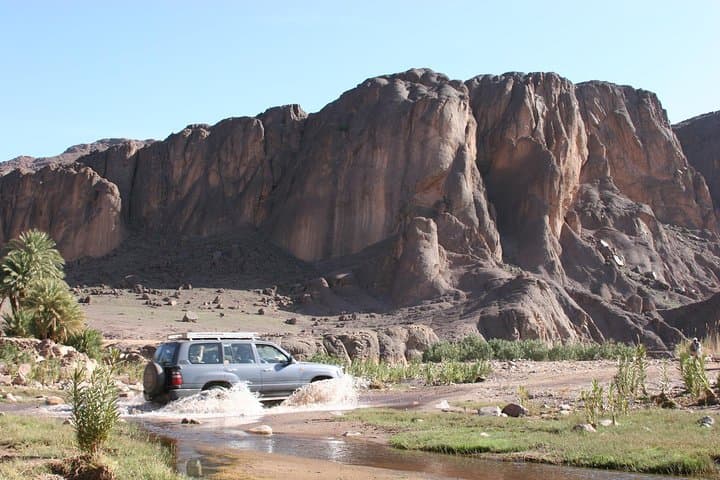
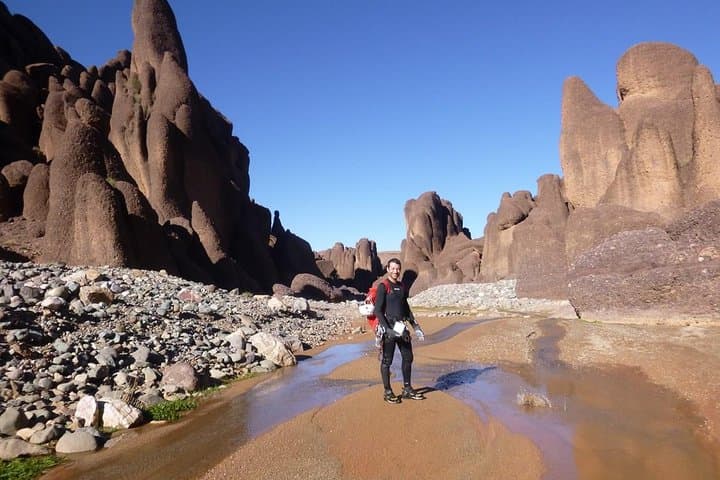
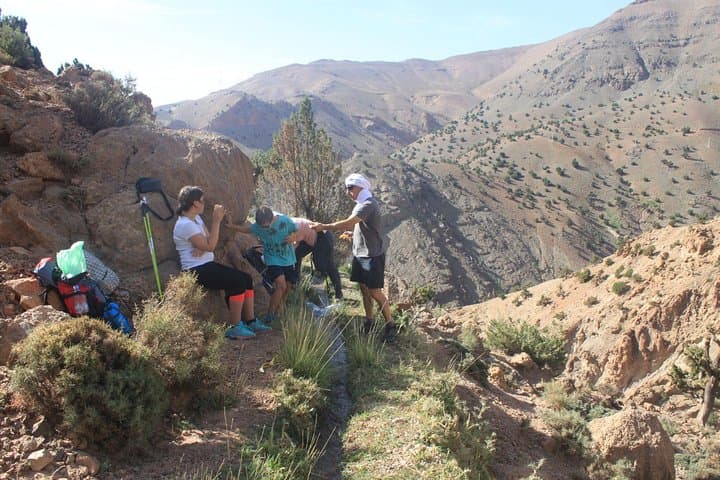
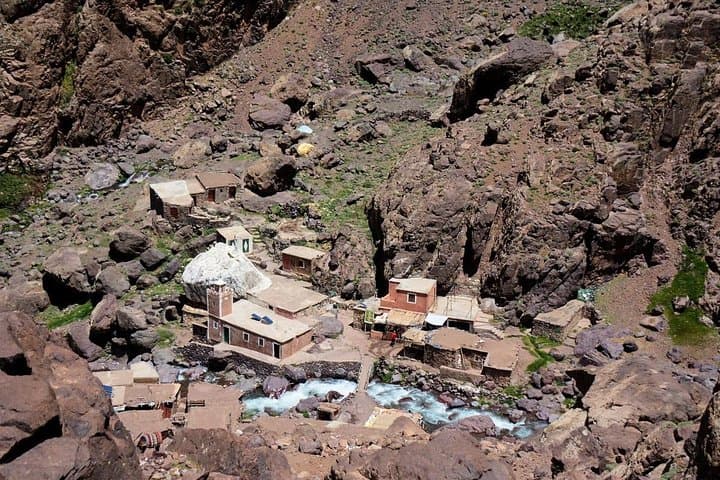
You wake before dawn under a tarp of stars, the desert chill still holding the high valleys as mules stamp and guides prepare breakfast. The Sirwa Massif opens like a hard-edged map: basalt ridgelines, terraced fields below, and the blunt cone of Jebel Sirwa rising to 3,305 m. On this seven‑day route you move from village tracks into exposed, volcanic high country — each day marked by a different rhythm of ascent and descent.
You wake before dawn under a tarp of stars, the desert chill still holding the high valleys as mules stamp and guides prepare breakfast. The Sirwa Massif opens like a hard-edged map: basalt ridgelines, terraced fields below, and the blunt cone of Jebel Sirwa rising to 3,305 m. On this seven‑day route you move from village tracks into exposed, volcanic high country — each day marked by a different rhythm of ascent and descent.
The massif sits on the boundary between the High Atlas and Anti‑Atlas and is the remains of an ancient stratovolcano; its geology is a mix of volcanic rock and eroded terraces. Culturally the area is shaped by Berber life: stone gites, saffron fields around Taliouine (the only place in Morocco where saffron is traditionally harvested), and small villages that still irrigate terraces by hand.
Expect long walking days — 4–7 hours on trails that range from river valleys to steep, rocky scrambles — and one technical summit push that requires hands for balance on loose rock.
Practically: start early to avoid heat, carry layered clothing for windy ridgelines and chilly nights, and plan for simple gite and tent accommodation. Hydration and sun protection are nonnegotiable; altitude gain on summit day is significant so pace conservatively. Guides handle logistics and mules carry camp gear, but boot comfort, ankle support, and a light daypack make the difference on narrow, zigzagging tracks. By the summit, the wind pushes you forward and the wide Moroccan horizon pays you back.