THE ADVENTURE COLLECTIVE® · Independent discovery and booking for outdoor travel

Explore Mount Shasta’s headwaters, power spots and geologic history on a 2–3 hour guided tour. Short walks, high viewpoints and cultural insights make this a compact outdoor introduction to the mountain.
Explore Mount Shasta’s headwaters, power spots and geologic history on a 2–3 hour guided tour. Short walks, high viewpoints and cultural insights make this a compact outdoor introduction to the mountain.
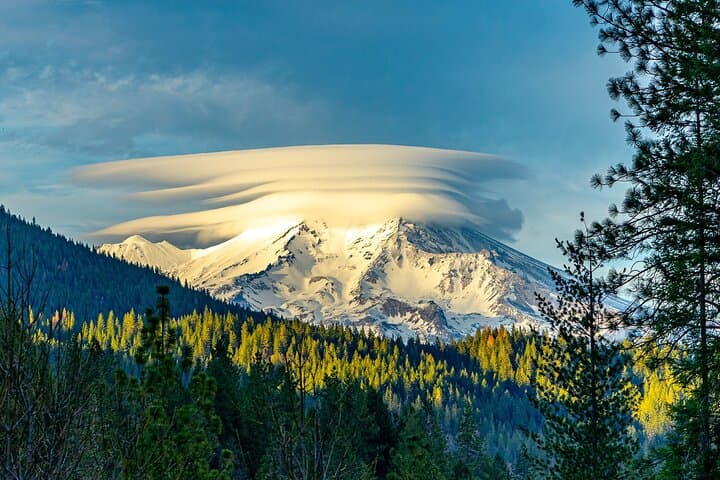
A cold, bright morning on Mount Shasta feels like stepping into a landscape that quietly moves around you. The guide meets the group at Berryvale, then the van hums up through fir and mixed-conifer slopes until scrub pines give way to granite outcrops and wind-sculpted meadows. Water appears first as a whisper—clear springs that feed the Sacramento Headwaters—then as a presence, daring you to cup and taste a source that has run downhill for millennia.
Verified experiences and guided adventures in the surrounding area.
Operated by Mt Shasta Fun Guide/Robin Kohn · Mount Shasta, California
A cold, bright morning on Mount Shasta feels like stepping into a landscape that quietly moves around you. The guide meets the group at Berryvale, then the van hums up through fir and mixed-conifer slopes until scrub pines give way to granite outcrops and wind-sculpted meadows. Water appears first as a whisper—clear springs that feed the Sacramento Headwaters—then as a presence, daring you to cup and taste a source that has run downhill for millennia.
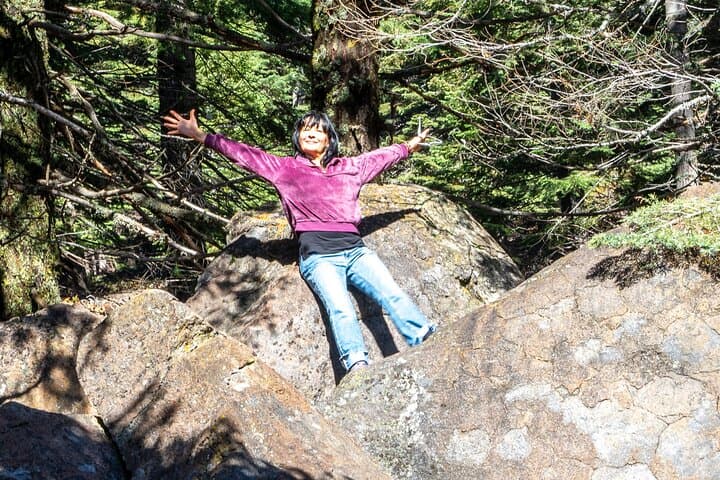
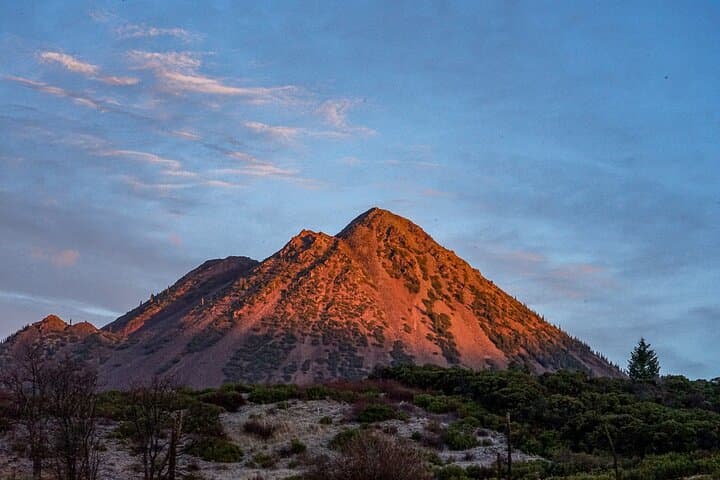
This tour threads natural history with human stories: ancestral Shasta and Wintu use of the headwaters, the geologic record of Ancestral Mt. Shasta in tilted rock bands, and 20th-century traces like the shuttered Mt. Shasta Ski Lodge. Guides point out whitebark pine and Shasta red fir, explain the mountain’s volcanic origins and the avalanche activity that reshaped local recreation. Ascension Rock and other “power spots” are treated as cultural features—places people travel to sit quietly or meditate.
Practically, expect mostly short walks from vehicle pullouts—trail surfaces range from packed dirt to rocky, uneven steps. Elevations on the route climb from roughly 6,950 ft to views above 7,900 ft, so give yourself time to move deliberately and hydrate. Wear sturdy shoes, layer for mountain wind and sun, and leave no trace around springs and fragile alpine plants. The trip blends easy walking and rich context: geological flashes, wildlife glimpses, and accessible viewpoints that reward a modest investment of time and curiosity.
easy.
2–3 hours.
Suitable for most fitness levels; involves multiple short walks and brief moderate elevation exposure.
The tour is marketed as suitable for all fitness levels with short walks from vehicle pullouts; expect brief uphill sections but no technical hiking.
Many people sample the spring; guides often point out clean sources, but follow their advice and use personal discretion regarding untreated water.
Yes—short walks and vehicle transport make it accessible, though participants should be mobile enough for brief uneven terrain.
Dress in layers with a windproof outer layer and sun protection; sturdy shoes are recommended for rocky surfaces.
Mount Shasta is a volcanic massif long used by regional tribes (Shasta, Wintu) for spiritual practices and resource gathering; later 20th-century recreation left traces like the ski lodge ruins.
Stay on trails and avoid disturbing springs and alpine plants; the headwaters and high-elevation forests are ecologically sensitive and benefit from Leave No Trace practices.
Mt Shasta Fun Guide/Robin Kohn operates guided outdoor trips and adventures with an emphasis on safety, stewardship, and memorable experiences.
A cold, bright morning on Mount Shasta feels like stepping into a landscape that quietly moves around you. The guide meets the group at Berryvale, then the van hums up through fir and mixed-conifer slopes until scrub pines give way to granite outcrops and wind-sculpted meadows. Water appears first as a whisper—clear springs that feed the Sacramento Headwaters—then as a presence, daring you to cup and taste a source that has run downhill for millennia.
A cold, bright morning on Mount Shasta feels like stepping into a landscape that quietly moves around you. The guide meets the group at Berryvale, then the van hums up through fir and mixed-conifer slopes until scrub pines give way to granite outcrops and wind-sculpted meadows. Water appears first as a whisper—clear springs that feed the Sacramento Headwaters—then as a presence, daring you to cup and taste a source that has run downhill for millennia.
This tour threads natural history with human stories: ancestral Shasta and Wintu use of the headwaters, the geologic record of Ancestral Mt. Shasta in tilted rock bands, and 20th-century traces like the shuttered Mt. Shasta Ski Lodge. Guides point out whitebark pine and Shasta red fir, explain the mountain’s volcanic origins and the avalanche activity that reshaped local recreation. Ascension Rock and other “power spots” are treated as cultural features—places people travel to sit quietly or meditate.
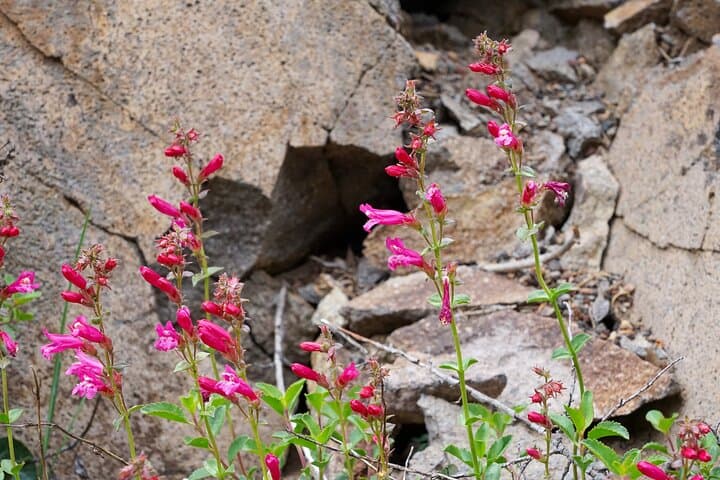
Practically, expect mostly short walks from vehicle pullouts—trail surfaces range from packed dirt to rocky, uneven steps. Elevations on the route climb from roughly 6,950 ft to views above 7,900 ft, so give yourself time to move deliberately and hydrate. Wear sturdy shoes, layer for mountain wind and sun, and leave no trace around springs and fragile alpine plants. The trip blends easy walking and rich context: geological flashes, wildlife glimpses, and accessible viewpoints that reward a modest investment of time and curiosity.