THE ADVENTURE COLLECTIVE® · Independent discovery and booking for outdoor travel

Ride historic cable lines up Mount Rokko, drink in sweeping views from Rokko Garden Terrace, then descend to Arima Onsen for centuries-old thermal baths. This full-day tour from Kyoto blends light hiking, scenic lifts, and restorative onsen time.
Ride historic cable lines up Mount Rokko, drink in sweeping views from Rokko Garden Terrace, then descend to Arima Onsen for centuries-old thermal baths. This full-day tour from Kyoto blends light hiking, scenic lifts, and restorative onsen time.
You step off the train in Kyoto before the city softens into hills; within an hour the air sharpens and the slope of Mount Rokko rises ahead, trees rustling as if to escort you higher. The Rokko Cable Car and Rokko Arima Ropeway lift you through changing pines and maples, each stage revealing wider views — the industrial sweep of Kobe below, Osaka Bay glittering like a far-off promise.
Verified experiences and guided adventures in the surrounding area.
Operated by MY Travel Consulting · Kobe, Hyogo
You step off the train in Kyoto before the city softens into hills; within an hour the air sharpens and the slope of Mount Rokko rises ahead, trees rustling as if to escort you higher. The Rokko Cable Car and Rokko Arima Ropeway lift you through changing pines and maples, each stage revealing wider views — the industrial sweep of Kobe below, Osaka Bay glittering like a far-off promise.
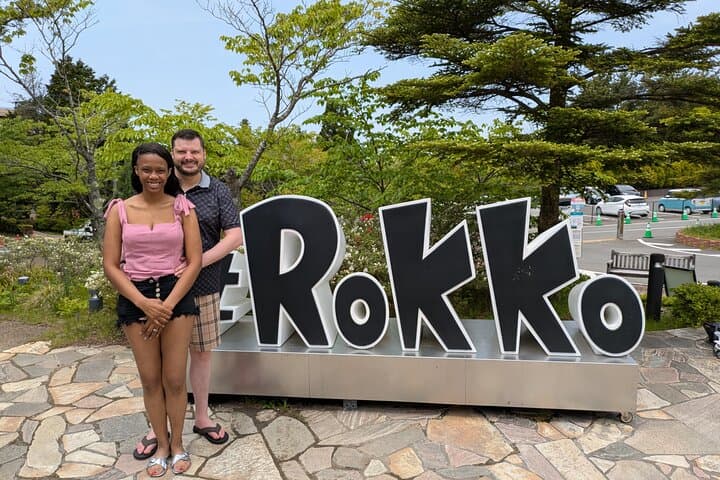
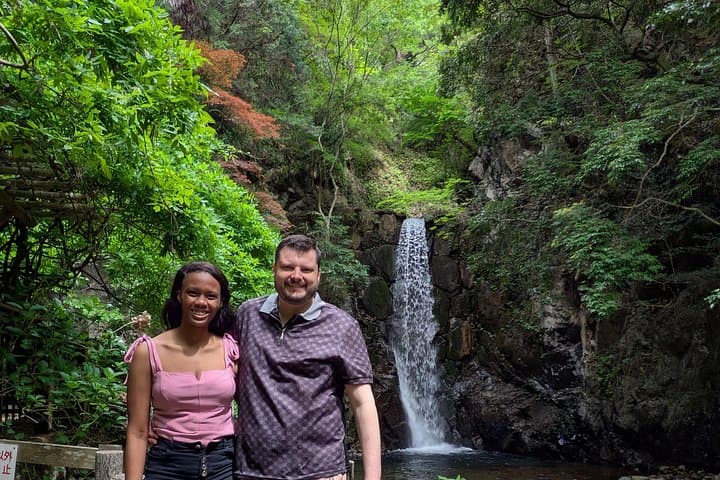
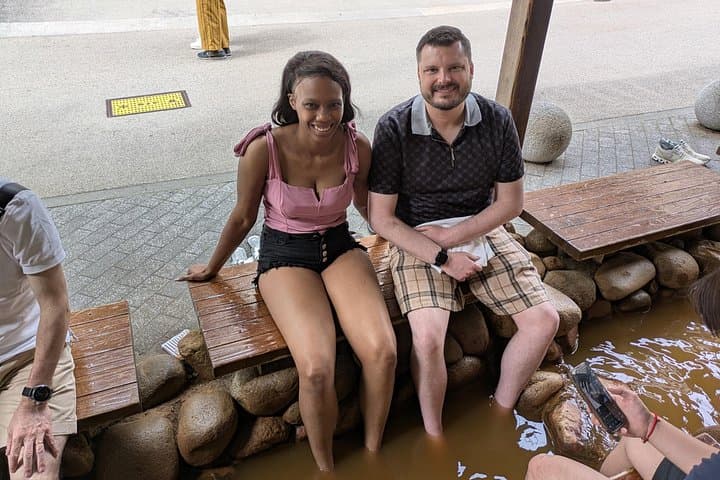
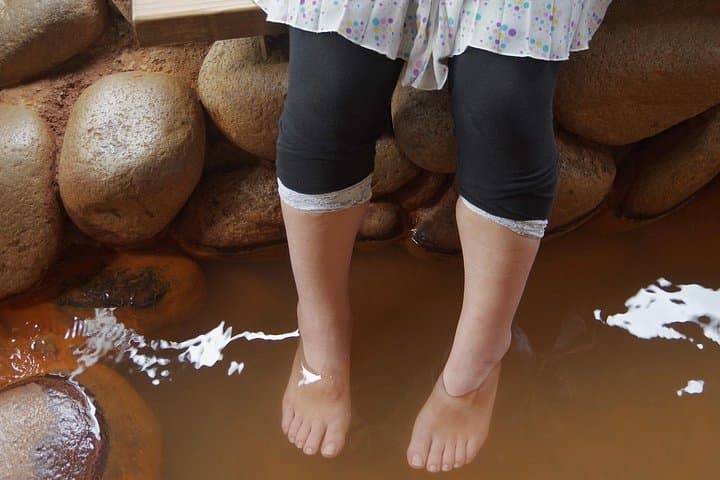
The mountain’s geology is folded granite and weathered rock, shaped by ancient uplift and coastal currents, and the terrain alternates between forested walking paths and ridge-top vistas. At Rokko Garden Terrace, contemporary platforms and small cafes edge dramatic panoramas; below, Arima Onsen carries a deeper history — thermal springs used for a millennium and prized by samurai and townsfolk alike for their “gold” and “silver” waters.
Culturally the route stitches modern sightseeing with traditional ryokan hospitality: polite service, onsen etiquette (wash before you enter), and a slower tempo after the climb. Local insights include short ridge walks from the terrace and quiet alleys in Arima lined with shops selling local sweets and onsen salts.
Practical guidance: this is a full-day, moderate outing — expect several short walks, stair climbs at stations, and 1–2 hours of transit time each way. Wear sturdy shoes for uneven paths, carry water and cash for small shops and ryokan entry, and plan to change into dry clothes after bathing. Morning departures avoid crowds on the ropeways; late afternoon returns catch soft light across the bay.
moderate.
6 hours.
Moderate — comfortable walking, stair climbs, and short uphill sections; not technical but requires stamina for a day out
The outing is about 6 hours from Kyoto and typically includes train/cable/ropeway transfers, guide services, admission fees listed by the operator, and time to enjoy Rokko Garden Terrace and Arima Onsen.
Yes — the activity involves light walking and uses cable transport for the steep sections, so it’s accessible to most people with moderate mobility; infants may need carriers for stairs.
Most tour options include access to public onsen facilities or a partnered ryokan; check the booking details and inform the operator of tattoo policies or special needs ahead of time.
Policies vary—many traditional bathhouses prohibit visible tattoos. If you have tattoos, ask the operator in advance; some places offer cover-up stickers or private options.
Arima Onsen has recorded use for over a thousand years, historically frequented by nobility and samurai; Mount Rokko developed as a leisure destination in the Meiji and Taisho eras with early cable car infrastructure.
Stick to marked trails, avoid using soap in natural springs, and follow ryokan rules to minimize impact; local operators support trail maintenance and responsible onsen use.
MY Travel Consulting operates guided outdoor trips and adventures with an emphasis on safety, stewardship, and memorable experiences.
You step off the train in Kyoto before the city softens into hills; within an hour the air sharpens and the slope of Mount Rokko rises ahead, trees rustling as if to escort you higher. The Rokko Cable Car and Rokko Arima Ropeway lift you through changing pines and maples, each stage revealing wider views — the industrial sweep of Kobe below, Osaka Bay glittering like a far-off promise.
You step off the train in Kyoto before the city softens into hills; within an hour the air sharpens and the slope of Mount Rokko rises ahead, trees rustling as if to escort you higher. The Rokko Cable Car and Rokko Arima Ropeway lift you through changing pines and maples, each stage revealing wider views — the industrial sweep of Kobe below, Osaka Bay glittering like a far-off promise.
The mountain’s geology is folded granite and weathered rock, shaped by ancient uplift and coastal currents, and the terrain alternates between forested walking paths and ridge-top vistas. At Rokko Garden Terrace, contemporary platforms and small cafes edge dramatic panoramas; below, Arima Onsen carries a deeper history — thermal springs used for a millennium and prized by samurai and townsfolk alike for their “gold” and “silver” waters.
Culturally the route stitches modern sightseeing with traditional ryokan hospitality: polite service, onsen etiquette (wash before you enter), and a slower tempo after the climb. Local insights include short ridge walks from the terrace and quiet alleys in Arima lined with shops selling local sweets and onsen salts.
Practical guidance: this is a full-day, moderate outing — expect several short walks, stair climbs at stations, and 1–2 hours of transit time each way. Wear sturdy shoes for uneven paths, carry water and cash for small shops and ryokan entry, and plan to change into dry clothes after bathing. Morning departures avoid crowds on the ropeways; late afternoon returns catch soft light across the bay.