THE ADVENTURE COLLECTIVE® · Independent discovery and booking for outdoor travel

A compact 2‑day trek that takes you from Sembalun past crater rims to Rinjani’s summit and sunrise over Segara Anak. Expect steep volcanic scree, overnight tent camps, and strong local guide support.
A compact 2‑day trek that takes you from Sembalun past crater rims to Rinjani’s summit and sunrise over Segara Anak. Expect steep volcanic scree, overnight tent camps, and strong local guide support.
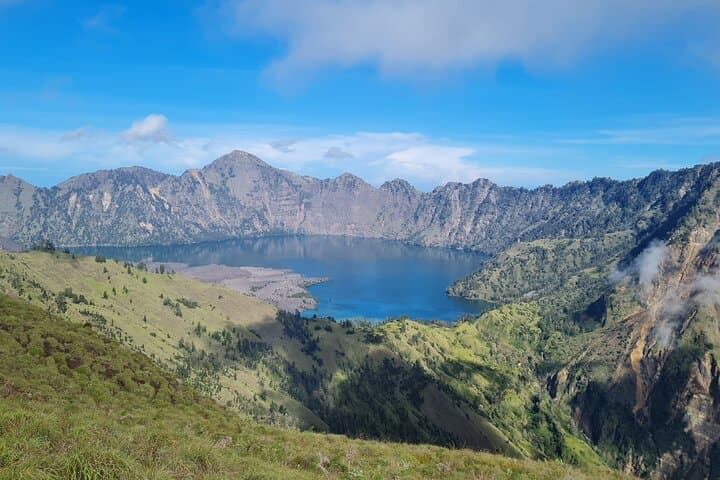
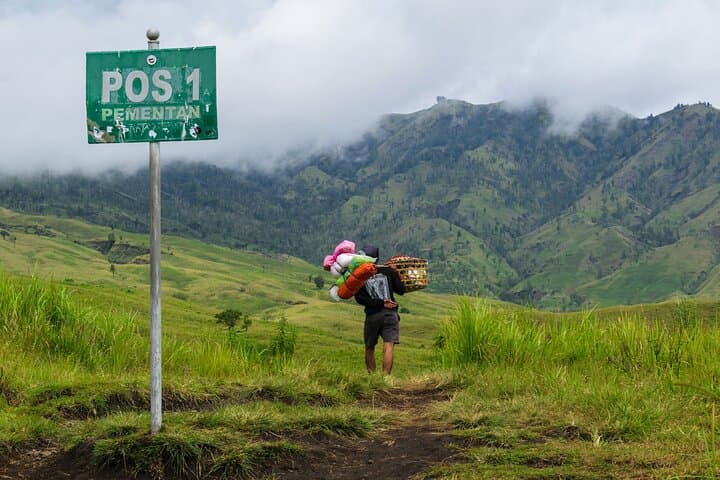
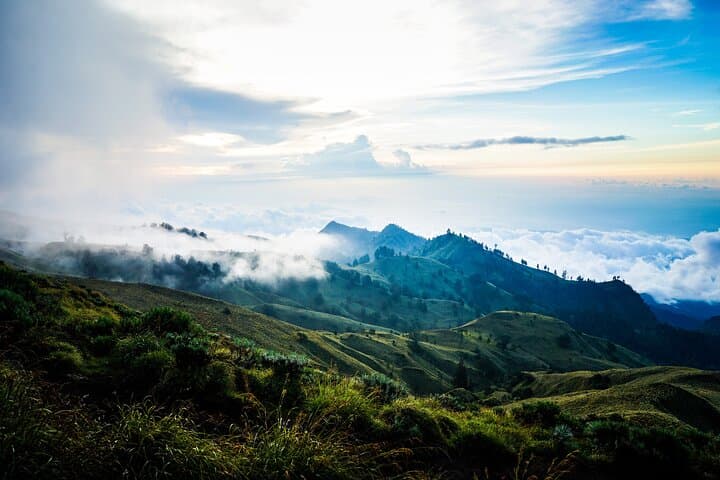
Night air on Lombok has a thin, volcanic bite when you wake at 2:30 a.m., pack a small breakfast and step off the crater rim toward the summit. The trail from Sembalun climbs hard through grasslands and volcanic scree; headlamps pick out the slow parade of trekkers, porters, and guides. By first light the ridgeline opens and Segara Anak—Rinjani’s emerald crater lake—glances up from the caldera below.
Verified experiences and guided adventures in the surrounding area.
Operated by Gilis_Official · Sembalun, West Nusa Tenggara
Night air on Lombok has a thin, volcanic bite when you wake at 2:30 a.m., pack a small breakfast and step off the crater rim toward the summit. The trail from Sembalun climbs hard through grasslands and volcanic scree; headlamps pick out the slow parade of trekkers, porters, and guides. By first light the ridgeline opens and Segara Anak—Rinjani’s emerald crater lake—glances up from the caldera below.
Rinjani is an active stratovolcano rising to 3,726 m (12,224 ft). The mountain’s geology is recent: an explosive caldera framed by steep lava and ash that created the inner lake and fertile valleys used by Sasak communities. Culture remains visible—homestays in Sembalun and hilltop shrines at camp offer a glimpse of local life and mountain rites.
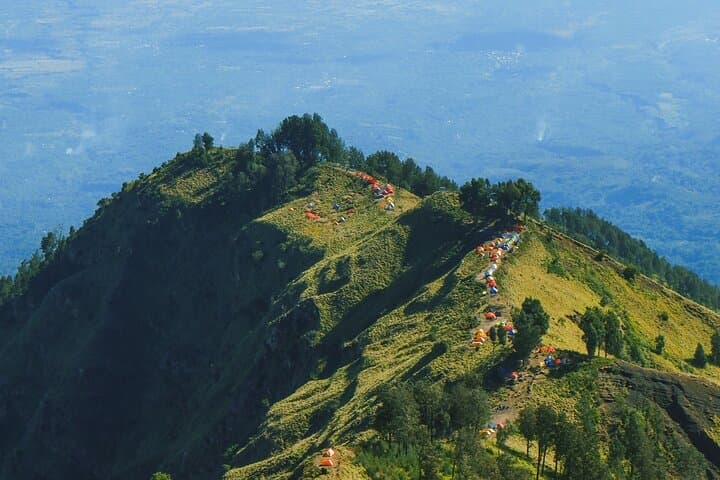
Expect two days: a long 6‑hour push from Sembalun to the crater rim (roughly +1,300–1,500 m elevation gain) then a pre‑dawn 2–3 hour summit push and a descent back through the rim. Terrain varies from packed volcanic soil to loose scree; tents are standard overnight, and guides/porters typically supply meals and cooking gear.
Plan for rapid temperature swings, limited shelter, and basic sanitation at camps. Hydrate, pace conservatively on the scree sections, and carry a reliable headlamp for the summit ascent. If thunderclouds gather, guides will turn groups back—weather changes fast at altitude. For hikers who want a compact, high‑gain climb with sunrise payoff, Rinjani delivers a raw, elemental mountain experience with practical logistics handled by local teams.
challenging.
2 days (≈48 hours).
Good aerobic fitness and leg strength are recommended—regular hikers and those who do hill repeats will fare best.
Moderate to strong fitness is required: sustained uphill hiking, altitude gain of ~1,300–1,500 m on day one and another ~1,000 m to the summit; prior multi‑hour hikes help.
Yes—this itinerary includes a licensed local guide and porter service who handle route finding, camp setup, and meals as listed.
Overnight is in tents; operators typically provide sleeping bags, mats, and three meals per full day—bring personal snacks and any dietary notes.
Dry season (roughly May–September) offers the most stable conditions for sunrise summits and clearer views; monsoon months see heavier rain and limited visibility.
Rinjani’s caldera formed from major Plinian eruptions; the area has long been important to the Sasak people who maintain cultural sites around the mountain.
Trekking pressure and litter have led to stricter permit controls; follow your guide, pack out waste, and respect designated camping areas to reduce impact.
Gilis_Official operates guided outdoor trips and adventures with an emphasis on safety, stewardship, and memorable experiences.
Night air on Lombok has a thin, volcanic bite when you wake at 2:30 a.m., pack a small breakfast and step off the crater rim toward the summit. The trail from Sembalun climbs hard through grasslands and volcanic scree; headlamps pick out the slow parade of trekkers, porters, and guides. By first light the ridgeline opens and Segara Anak—Rinjani’s emerald crater lake—glances up from the caldera below.
Night air on Lombok has a thin, volcanic bite when you wake at 2:30 a.m., pack a small breakfast and step off the crater rim toward the summit. The trail from Sembalun climbs hard through grasslands and volcanic scree; headlamps pick out the slow parade of trekkers, porters, and guides. By first light the ridgeline opens and Segara Anak—Rinjani’s emerald crater lake—glances up from the caldera below.
Rinjani is an active stratovolcano rising to 3,726 m (12,224 ft). The mountain’s geology is recent: an explosive caldera framed by steep lava and ash that created the inner lake and fertile valleys used by Sasak communities. Culture remains visible—homestays in Sembalun and hilltop shrines at camp offer a glimpse of local life and mountain rites.
Expect two days: a long 6‑hour push from Sembalun to the crater rim (roughly +1,300–1,500 m elevation gain) then a pre‑dawn 2–3 hour summit push and a descent back through the rim. Terrain varies from packed volcanic soil to loose scree; tents are standard overnight, and guides/porters typically supply meals and cooking gear.
Plan for rapid temperature swings, limited shelter, and basic sanitation at camps. Hydrate, pace conservatively on the scree sections, and carry a reliable headlamp for the summit ascent. If thunderclouds gather, guides will turn groups back—weather changes fast at altitude. For hikers who want a compact, high‑gain climb with sunrise payoff, Rinjani delivers a raw, elemental mountain experience with practical logistics handled by local teams.