THE ADVENTURE COLLECTIVE® · Independent discovery and booking for outdoor travel

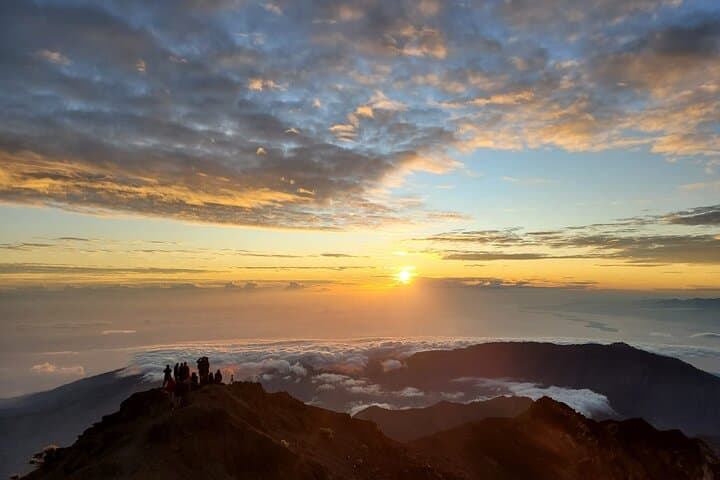
A high-altitude push from Sembalun takes trekkers up grassy slopes, through pine gullies, and across loose volcanic scree to Rinjani’s 3,726 m summit. This 2-day style itinerary combines an overnight at the crater rim with a pre-dawn summit for sunrise views across Lombok and beyond.
A high-altitude push from Sembalun takes trekkers up grassy slopes, through pine gullies, and across loose volcanic scree to Rinjani’s 3,726 m summit. This 2-day style itinerary combines an overnight at the crater rim with a pre-dawn summit for sunrise views across Lombok and beyond.
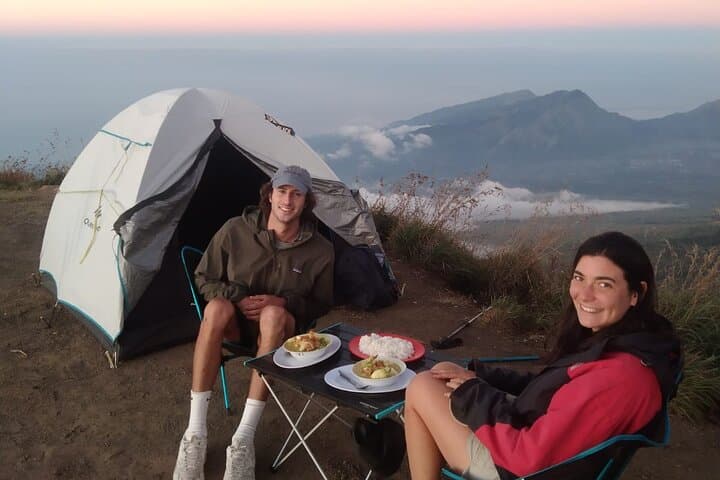
Dawn on Sembalun Lawang arrives as a silver breath across high grass; headlamp beams dot the trail like a line of fireflies as climbers peel away from tents and step into thinning air. The ascent from Sembalun climbs from roughly 1,150 m through open grazing slopes into Casuarina-lined switchbacks, finally reaching the crater rim where the volcano lays its bowl like a lived-in room.
Verified experiences and guided adventures in the surrounding area.
Operated by Rinjani Excellent · Senaru, West Nusa Tenggara
Dawn on Sembalun Lawang arrives as a silver breath across high grass; headlamp beams dot the trail like a line of fireflies as climbers peel away from tents and step into thinning air. The ascent from Sembalun climbs from roughly 1,150 m through open grazing slopes into Casuarina-lined switchbacks, finally reaching the crater rim where the volcano lays its bowl like a lived-in room.
Rinjani’s cone is a young volcanic feature on Lombok’s backbone—its 3,726 m peak formed by repeated eruptions that also created Segara Anak, the crater lake you’ll glimpse from the rim. The Sembalun route follows pastoral ridgelines used by local Sasak herders; you’ll hear traditional place names and may pass simple shrines where locals leave offerings before climbs.
Expect varied terrain: steep grassy slopes, loose volcanic scree near the summit, and pine-strewn camps at Plawangan II. Weather shifts fast—sun warms the meadows, wind contends on the rim, and rain can turn ash to slippery mud. Wildlife is subtle: macaques and occasional wild pigs move through the forest edge.
Practical edge: plan for an overnight at crater rim, an alpine start around 02:00–03:00 for summit sunrise, and steep final scrambling on loose volcanic scree. Bring layered insulation for summit temperatures, a reliable headlamp, and a small daypack for summit water and snacks; hire local guides and porters to manage navigation, safety, and waste. Hydrate well and allow time for slow, steady pacing—altitude will reward patience with sweeping views of Lombok, Bali, and Segara Anak below.
difficult.
2–3 days.
Requires high aerobic fitness and experience with sustained uphill hiking; ability to hike 6–10 hours with heavy breathing at altitude.
You should have a high level of cardiovascular fitness and experience with sustained uphill hikes; expect long days and altitude-induced breathlessness.
Yes—Rinjani National Park requires registration and a park permit; guides and porters are standard and often mandatory for summit attempts.
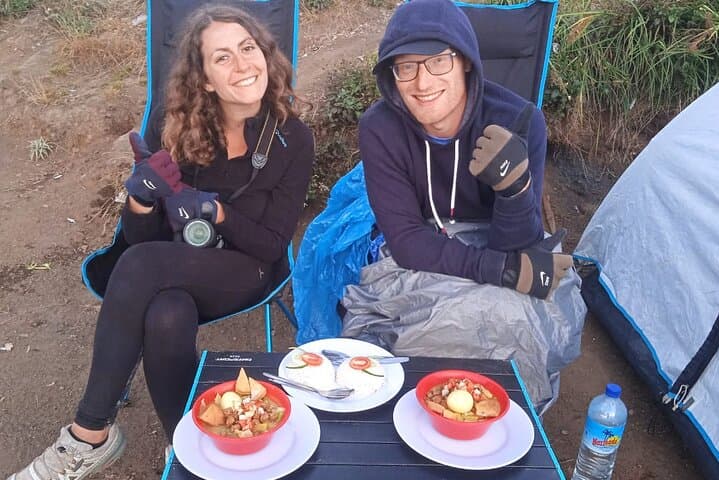
Treks typically include an overnight in tents at the crater rim (Plawangan II); basic accommodations in Senaru are provided before the trek.
The dry season (roughly May–September) offers the most stable weather and clearer summit visibility; avoid heavy monsoon months.
Rinjani is an active stratovolcano whose eruptions created Segara Anak lake; its slopes are culturally important to the Sasak people who practice ritual offerings on the mountain.
Travelers should follow park rules, pack out waste, and use local guides who participate in rubbish management programs to limit human impact on fragile alpine and crater environments.
Rinjani Excellent operates guided outdoor trips and adventures with an emphasis on safety, stewardship, and memorable experiences.
Dawn on Sembalun Lawang arrives as a silver breath across high grass; headlamp beams dot the trail like a line of fireflies as climbers peel away from tents and step into thinning air. The ascent from Sembalun climbs from roughly 1,150 m through open grazing slopes into Casuarina-lined switchbacks, finally reaching the crater rim where the volcano lays its bowl like a lived-in room.
Dawn on Sembalun Lawang arrives as a silver breath across high grass; headlamp beams dot the trail like a line of fireflies as climbers peel away from tents and step into thinning air. The ascent from Sembalun climbs from roughly 1,150 m through open grazing slopes into Casuarina-lined switchbacks, finally reaching the crater rim where the volcano lays its bowl like a lived-in room.
Rinjani’s cone is a young volcanic feature on Lombok’s backbone—its 3,726 m peak formed by repeated eruptions that also created Segara Anak, the crater lake you’ll glimpse from the rim. The Sembalun route follows pastoral ridgelines used by local Sasak herders; you’ll hear traditional place names and may pass simple shrines where locals leave offerings before climbs.
Expect varied terrain: steep grassy slopes, loose volcanic scree near the summit, and pine-strewn camps at Plawangan II. Weather shifts fast—sun warms the meadows, wind contends on the rim, and rain can turn ash to slippery mud. Wildlife is subtle: macaques and occasional wild pigs move through the forest edge.
Practical edge: plan for an overnight at crater rim, an alpine start around 02:00–03:00 for summit sunrise, and steep final scrambling on loose volcanic scree. Bring layered insulation for summit temperatures, a reliable headlamp, and a small daypack for summit water and snacks; hire local guides and porters to manage navigation, safety, and waste. Hydrate well and allow time for slow, steady pacing—altitude will reward patience with sweeping views of Lombok, Bali, and Segara Anak below.