THE ADVENTURE COLLECTIVE® · Independent discovery and booking for outdoor travel

A two-day, one-night guided trek to Mount Rinjani’s summit for a sunrise view across Lombok and neighboring islands. Expect steep scree, an overnight crater-rim camp, and a pre-dawn push to 3,726 m.
A two-day, one-night guided trek to Mount Rinjani’s summit for a sunrise view across Lombok and neighboring islands. Expect steep scree, an overnight crater-rim camp, and a pre-dawn push to 3,726 m.
The headlamp beam narrows to a thin ribbon as you push above the crater rim, the night air on Lombok sharpening every breath. Ahead the volcanic saddle gives way to the final knife-like ridge; behind, the crater lake reflects a distant, muted sky. On summit morning, the horizon blooms along layers of islands and sea — a hard-won sunrise earned from 3,726 meters.
Verified experiences and guided adventures in the surrounding area.
Operated by Dhyns Rinjani Hiking · Senaru, West Nusa Tenggara
The headlamp beam narrows to a thin ribbon as you push above the crater rim, the night air on Lombok sharpening every breath. Ahead the volcanic saddle gives way to the final knife-like ridge; behind, the crater lake reflects a distant, muted sky. On summit morning, the horizon blooms along layers of islands and sea — a hard-won sunrise earned from 3,726 meters.
Rinjani is Indonesia’s second-highest volcano and the centerpiece of Rinjani National Park. Geologically young and active, its caldera holds Segara Anak, a green crater lake considered sacred by the Sasak people. Local guides often weave stories of pilgrimage and past eruptions into briefings; cultural respect and permits are part of the trek’s routine.
The itinerary runs 2 days and 1 night: an overnight trek to a crater-rim camp, then a pre-dawn summit push. Expect steep volcanic scree, exposed ridgelines and sections of loose lava rock — roughly 6–8 km on summit day with 900–1,400 m of elevation gain depending on route. Clouds and wind can change quickly; temperatures fall sharply above 2,500 m.
Practically, travel light but warm: layered clothing, a reliable sleeping system, and 3 liters of water minimum are standard. Guides and porters are included on organized departures, and camps use tents and simple camp kitchens. Allow time to acclimatize if you’ve recently arrived by ferry or plane.
This trek demands fitness, steady pacing and respect for mountain weather. Move deliberately, hydrate, and follow your guide’s route choices — the sunrise from Rinjani’s summit is spectacular, but reaching it is a deliberate, communal effort.
challenging.
2 days (2D-1N) / ~48 hours.
Good cardiovascular fitness and leg strength; able to sustain steep uphill hiking for 6–10 hours total over two days
You should have experience with long uphill hikes and be able to walk several hours at a steady pace; guides recommend prior multi-hour hikes and regular cardio training.
Yes — organized 2D-1N trips typically include an experienced guide and porters who carry food and camp equipment.
Conditions vary by season: dry months are clearer and colder at altitude; the wet season brings heavy rain and slippery trails — winds can be strong at the summit any time of year.
Trekking in Rinjani National Park requires park permits and registration; these are usually handled by the tour operator as part of the booking.
Rinjani’s caldera formed in a major eruption centuries ago; the mountain holds spiritual significance for the indigenous Sasak people and hosts seasonal pilgrimages.
Rinjani National Park manages permits and trail access to limit impact; hikers should follow leave-no-trace principles to reduce erosion and protect fragile alpine vegetation.
Dhyns Rinjani Hiking operates guided outdoor trips and adventures with an emphasis on safety, stewardship, and memorable experiences.
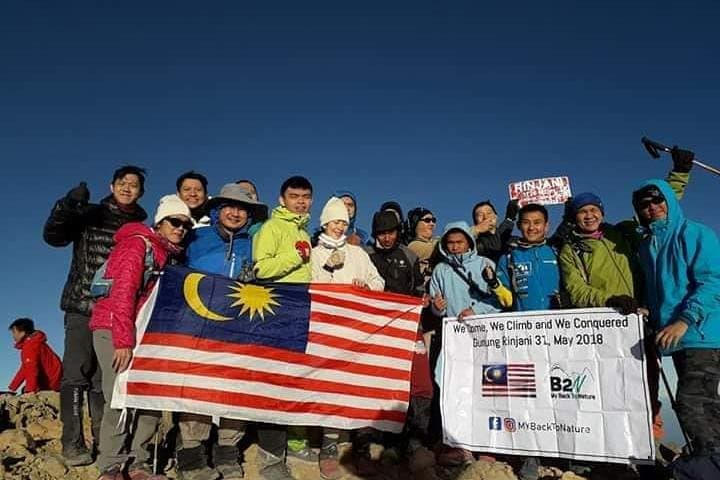
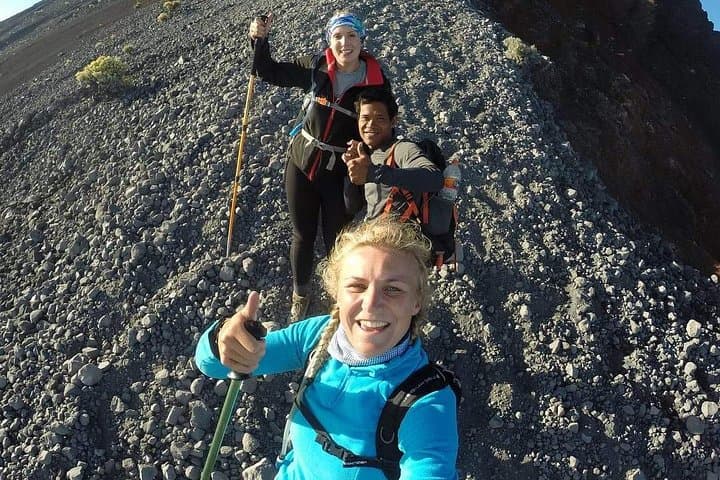
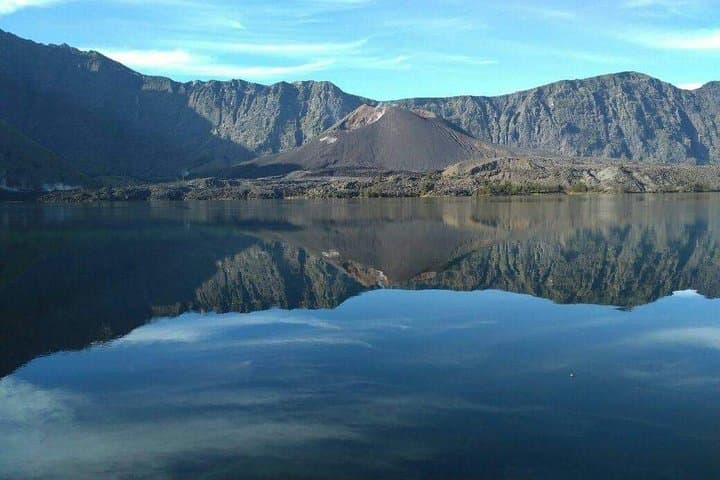
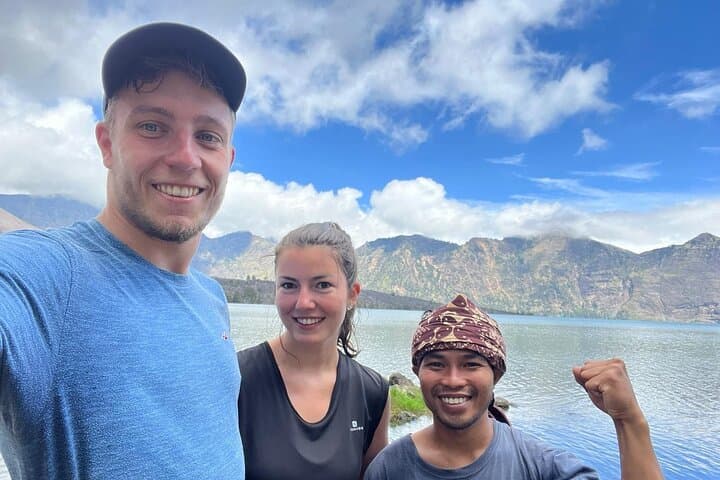
The headlamp beam narrows to a thin ribbon as you push above the crater rim, the night air on Lombok sharpening every breath. Ahead the volcanic saddle gives way to the final knife-like ridge; behind, the crater lake reflects a distant, muted sky. On summit morning, the horizon blooms along layers of islands and sea — a hard-won sunrise earned from 3,726 meters.
The headlamp beam narrows to a thin ribbon as you push above the crater rim, the night air on Lombok sharpening every breath. Ahead the volcanic saddle gives way to the final knife-like ridge; behind, the crater lake reflects a distant, muted sky. On summit morning, the horizon blooms along layers of islands and sea — a hard-won sunrise earned from 3,726 meters.
Rinjani is Indonesia’s second-highest volcano and the centerpiece of Rinjani National Park. Geologically young and active, its caldera holds Segara Anak, a green crater lake considered sacred by the Sasak people. Local guides often weave stories of pilgrimage and past eruptions into briefings; cultural respect and permits are part of the trek’s routine.
The itinerary runs 2 days and 1 night: an overnight trek to a crater-rim camp, then a pre-dawn summit push. Expect steep volcanic scree, exposed ridgelines and sections of loose lava rock — roughly 6–8 km on summit day with 900–1,400 m of elevation gain depending on route. Clouds and wind can change quickly; temperatures fall sharply above 2,500 m.
Practically, travel light but warm: layered clothing, a reliable sleeping system, and 3 liters of water minimum are standard. Guides and porters are included on organized departures, and camps use tents and simple camp kitchens. Allow time to acclimatize if you’ve recently arrived by ferry or plane.
This trek demands fitness, steady pacing and respect for mountain weather. Move deliberately, hydrate, and follow your guide’s route choices — the sunrise from Rinjani’s summit is spectacular, but reaching it is a deliberate, communal effort.