THE ADVENTURE COLLECTIVE® · Independent discovery and booking for outdoor travel

A compact 2-day, 1-night trek from Senaru leads to Mount Rinjani’s crater rim—ideal for beginner hikers who want an overnight camp with sunset and sunrise views of the Gili islands and Mount Agung. Expect rainforest trails, volcanic scree, and professional guides and porters handling camp logistics.
A compact 2-day, 1-night trek from Senaru leads to Mount Rinjani’s crater rim—ideal for beginner hikers who want an overnight camp with sunset and sunrise views of the Gili islands and Mount Agung. Expect rainforest trails, volcanic scree, and professional guides and porters handling camp logistics.
You rise before moonlight, headlamp a pale eye among tall Flores pines, and the rainforest opens like a cool chamber. The trail from Senaru climbs through moss-draped trees, then steps out onto the crater rim where the wind tries to push you toward the lip. From this vantage the crater lake and the three Gili islands sit quietly below; at dusk the horizon burns behind Bali’s Mount Agung and the sky softens to blue-grey.
Verified experiences and guided adventures in the surrounding area.
Operated by Dhyns Rinjani Hiking · Senaru, West Nusa Tenggara
You rise before moonlight, headlamp a pale eye among tall Flores pines, and the rainforest opens like a cool chamber. The trail from Senaru climbs through moss-draped trees, then steps out onto the crater rim where the wind tries to push you toward the lip. From this vantage the crater lake and the three Gili islands sit quietly below; at dusk the horizon burns behind Bali’s Mount Agung and the sky softens to blue-grey.
Rinjani is a young volcanic massif formed by repeated eruptions; its crater rim is the exposed edge of a caldera shaped thousands of years ago. Senaru village below is Sasak country, where rice terraces and traditional woven crafts speak to an agricultural culture that has adapted to steep slopes and volcanic soil.
The overnight rim camp turns the mountain into a simple village of tents and a cooking fire—guides and porters manage logistics so novices can focus on the walk and the view. Expect uneven volcanic rock, steep switchbacks, and sections of soft volcanic scree; altitude reaches roughly 2,700–2,800 m at rim viewpoints, so mornings are brisk.
Practical guidance: start early to avoid midday heat, layer for fast temperature swings, and carry 2–3 liters of water. Good hiking boots with ankle support and trekking poles make loose slopes manageable. Allow time for sunset and the sunrise over the Gilis—both are reasons most groups choose the overnight. Respect local trails, pack out waste, and follow your guide’s pacing—Rinjani rewards patience with a wide, commanding view that feels earned.
moderate.
2 days (1 night).
Light to moderate fitness; able to hike 4–6 hours with frequent short breaks and carry a daypack
The route is classified for beginners with moderate fitness; trails include steep sections and loose rock but guides set a steady pace and porters carry camping equipment.
Guides and porters are provided by operators and local regulations require registered guides for safety and to support local communities.
Crater rim viewpoints sit around 2,700–2,800 meters; mild altitude effects are possible—move slowly and hydrate.
Yes—tents, sleeping bags, mattresses and a toilet tent are typically supplied by the operator as part of the package.
Rinjani’s caldera formed through major eruptions; the area has long been significant to the Sasak people for agriculture and ritual practices.
Stick to marked trails and use provided facilities—local operators support porter livelihoods and ongoing trail maintenance to limit erosion and human impact.
Dhyns Rinjani Hiking operates guided outdoor trips and adventures with an emphasis on safety, stewardship, and memorable experiences.
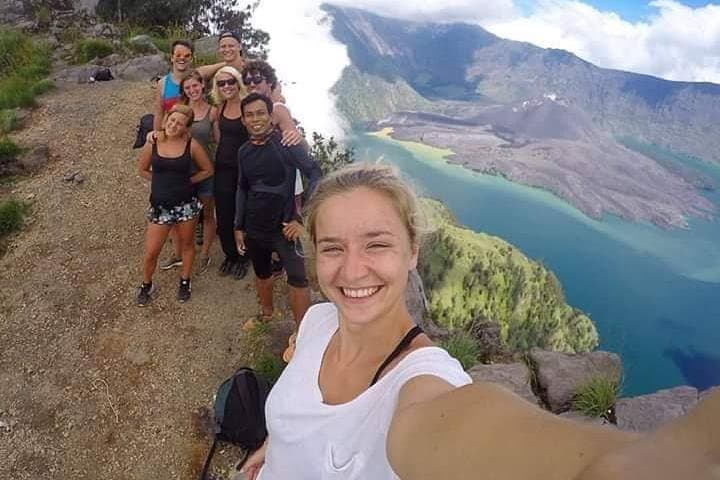
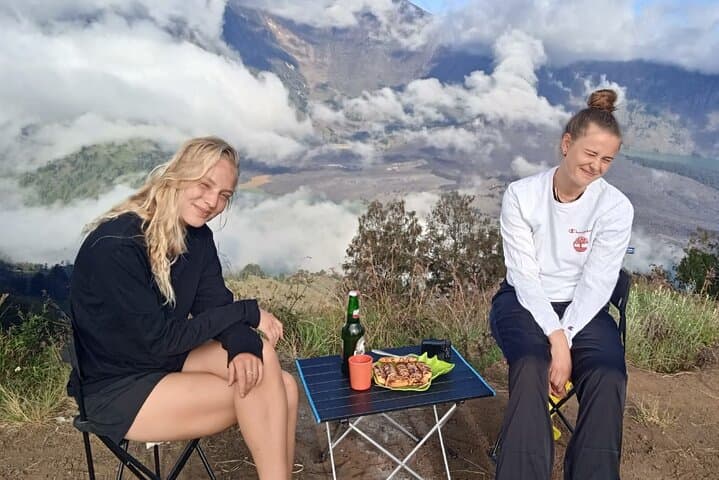
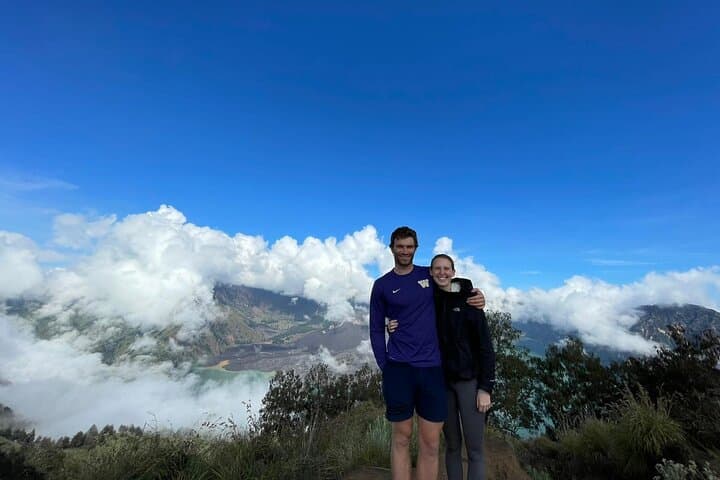
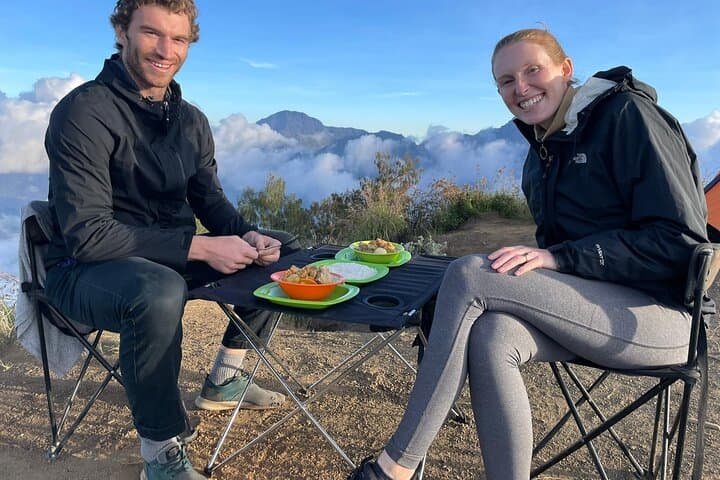
You rise before moonlight, headlamp a pale eye among tall Flores pines, and the rainforest opens like a cool chamber. The trail from Senaru climbs through moss-draped trees, then steps out onto the crater rim where the wind tries to push you toward the lip. From this vantage the crater lake and the three Gili islands sit quietly below; at dusk the horizon burns behind Bali’s Mount Agung and the sky softens to blue-grey.
You rise before moonlight, headlamp a pale eye among tall Flores pines, and the rainforest opens like a cool chamber. The trail from Senaru climbs through moss-draped trees, then steps out onto the crater rim where the wind tries to push you toward the lip. From this vantage the crater lake and the three Gili islands sit quietly below; at dusk the horizon burns behind Bali’s Mount Agung and the sky softens to blue-grey.
Rinjani is a young volcanic massif formed by repeated eruptions; its crater rim is the exposed edge of a caldera shaped thousands of years ago. Senaru village below is Sasak country, where rice terraces and traditional woven crafts speak to an agricultural culture that has adapted to steep slopes and volcanic soil.
The overnight rim camp turns the mountain into a simple village of tents and a cooking fire—guides and porters manage logistics so novices can focus on the walk and the view. Expect uneven volcanic rock, steep switchbacks, and sections of soft volcanic scree; altitude reaches roughly 2,700–2,800 m at rim viewpoints, so mornings are brisk.
Practical guidance: start early to avoid midday heat, layer for fast temperature swings, and carry 2–3 liters of water. Good hiking boots with ankle support and trekking poles make loose slopes manageable. Allow time for sunset and the sunrise over the Gilis—both are reasons most groups choose the overnight. Respect local trails, pack out waste, and follow your guide’s pacing—Rinjani rewards patience with a wide, commanding view that feels earned.