THE ADVENTURE COLLECTIVE® · Independent discovery and booking for outdoor travel

A tough but rewarding 2-day trek to Rinjani’s second summit (3,126 m), offering sunrise panoramas over Lombok and Segara Anak lake. This guided, 1-night camping route crosses rainforest, crater rim and high alpine ridgelines—ideal for fit hikers ready for high-altitude trekking.
A tough but rewarding 2-day trek to Rinjani’s second summit (3,126 m), offering sunrise panoramas over Lombok and Segara Anak lake. This guided, 1-night camping route crosses rainforest, crater rim and high alpine ridgelines—ideal for fit hikers ready for high-altitude trekking.
Pre-dawn on Day Two, you push away condensation on your sleeping bag and step into a sky bruised with stars. The headlamp beam cuts a narrow path through high alpine shrubs as the ridge ahead narrows toward Sangkareang’s second summit. The air tastes thin; island silhouettes—Bali to the west, Sumbawa to the east—lie like cutouts against the horizon.
Verified experiences and guided adventures in the surrounding area.
Operated by Jou Trekking · Senaru, West Nusa Tenggara
Pre-dawn on Day Two, you push away condensation on your sleeping bag and step into a sky bruised with stars. The headlamp beam cuts a narrow path through high alpine shrubs as the ridge ahead narrows toward Sangkareang’s second summit. The air tastes thin; island silhouettes—Bali to the west, Sumbawa to the east—lie like cutouts against the horizon.
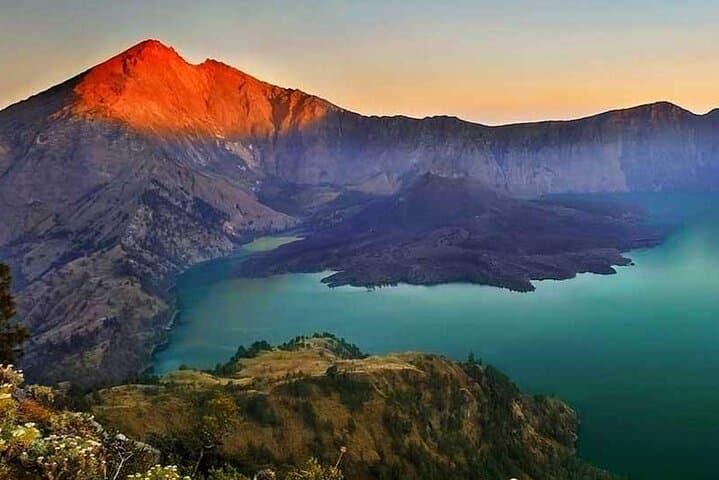
Rinjani is an active stratovolcano born from the collision of the Australian and Sunda plates; its crater lake, Segara Anak, fills the caldera left by millennia of eruptions. For the Sasak people of Lombok, Rinjani is sacred—offerings and traditional rituals still mark key points on the trail. Geologically, the rim you camp on is recent relative to the main cone, which explains the raw, wind-scoured ridgelines and loose volcanic scree that make the ascent feel like a place between earth and sky.
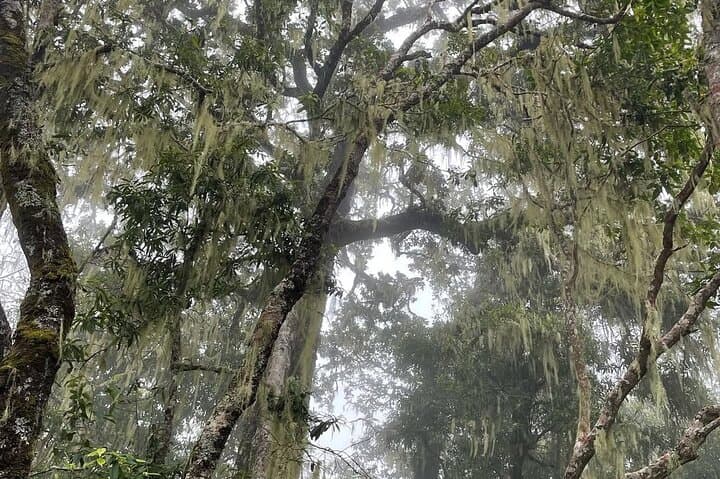
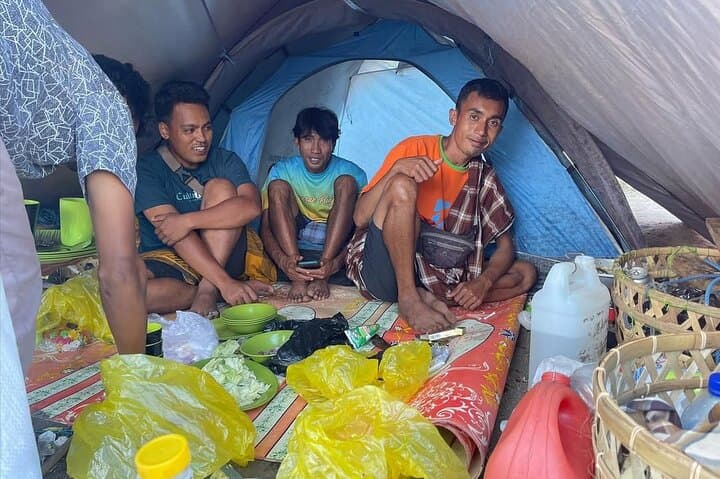
Expect two demanding days: a steep forested lower approach, high-camp on the crater rim at ~2,640 m, and a pre-dawn push to 3,126 m for sunrise. Wildlife is subtle—watch for black macaques and forest birds—and guides often point out lesser-known terraces and shelters along the route. Porters and guide support are standard; tents, sleeping gear and hot meals are provided.
Practical tips: pace conservatively on the summit ascent, hydrate frequently, and layer for rapid temperature swings. Start early to avoid afternoon wind and give yourself time on the descent; terrain varies from packed soil to loose volcanic rock, so secure footing and a steady pace matter more than speed.
challenging.
2 days (approx. 48 hours).
Good cardiovascular fitness and endurance for sustained uphill hiking; ability to carry a daypack and hike 6–8 hours with breaks.
No technical climbing skills are required; the route is a strenuous trek with steep sections but no ropes or technical equipment.
Participants should have moderate to high endurance and recent multi-hour hiking experience; the itinerary involves long ascents and a pre-dawn summit push.
Yes—tents, sleeping bags, mattresses and basic camp furniture are included with this guided tour.
The dry season (May–September) offers more stable conditions, but guided trips run year-round; expect wetter, muddier trails in the monsoon months.
Rinjani is culturally significant to the Sasak people and features in local ritual practice; archaeologists and volcanologists study its frequent eruptions and large caldera formed in the Holocene.
Trekking operators follow permit systems and use porters to centralize gear; stick to marked trails, pack out waste, and avoid creating new firepoints to reduce impact.
Jou Trekking operates guided outdoor trips and adventures with an emphasis on safety, stewardship, and memorable experiences.
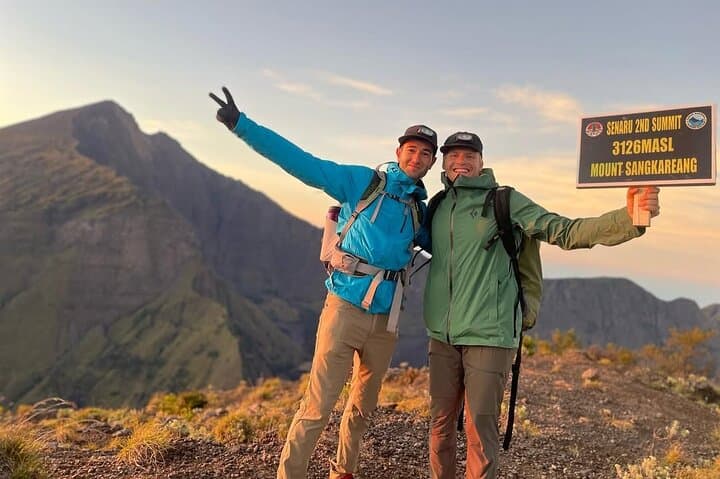
Pre-dawn on Day Two, you push away condensation on your sleeping bag and step into a sky bruised with stars. The headlamp beam cuts a narrow path through high alpine shrubs as the ridge ahead narrows toward Sangkareang’s second summit. The air tastes thin; island silhouettes—Bali to the west, Sumbawa to the east—lie like cutouts against the horizon.
Pre-dawn on Day Two, you push away condensation on your sleeping bag and step into a sky bruised with stars. The headlamp beam cuts a narrow path through high alpine shrubs as the ridge ahead narrows toward Sangkareang’s second summit. The air tastes thin; island silhouettes—Bali to the west, Sumbawa to the east—lie like cutouts against the horizon.
Rinjani is an active stratovolcano born from the collision of the Australian and Sunda plates; its crater lake, Segara Anak, fills the caldera left by millennia of eruptions. For the Sasak people of Lombok, Rinjani is sacred—offerings and traditional rituals still mark key points on the trail. Geologically, the rim you camp on is recent relative to the main cone, which explains the raw, wind-scoured ridgelines and loose volcanic scree that make the ascent feel like a place between earth and sky.
Expect two demanding days: a steep forested lower approach, high-camp on the crater rim at ~2,640 m, and a pre-dawn push to 3,126 m for sunrise. Wildlife is subtle—watch for black macaques and forest birds—and guides often point out lesser-known terraces and shelters along the route. Porters and guide support are standard; tents, sleeping gear and hot meals are provided.
Practical tips: pace conservatively on the summit ascent, hydrate frequently, and layer for rapid temperature swings. Start early to avoid afternoon wind and give yourself time on the descent; terrain varies from packed soil to loose volcanic rock, so secure footing and a steady pace matter more than speed.