THE ADVENTURE COLLECTIVE® · Independent discovery and booking for outdoor travel

A classic three-day trek to Mount Rinjani’s summit and crater lake, combining a predawn summit push with camping on the crater rim and a descent to hot springs. Expect steep volcanic slopes, alpine nights, and big views toward the Gili Islands and Bali.
A classic three-day trek to Mount Rinjani’s summit and crater lake, combining a predawn summit push with camping on the crater rim and a descent to hot springs. Expect steep volcanic slopes, alpine nights, and big views toward the Gili Islands and Bali.
Dawn arrives cold and sharp on the Sembalun rim, the high grass bending as if to urge you forward. On day one the trail climbs through open slopes and volcanic scree, pushing you steadily toward Plawangan Sembalun (2,639 m) where the crater rim breaks open and the lake waits below.
Verified experiences and guided adventures in the surrounding area.
Operated by Jou Trekking · Senaru, West Nusa Tenggara
Dawn arrives cold and sharp on the Sembalun rim, the high grass bending as if to urge you forward. On day one the trail climbs through open slopes and volcanic scree, pushing you steadily toward Plawangan Sembalun (2,639 m) where the crater rim breaks open and the lake waits below.
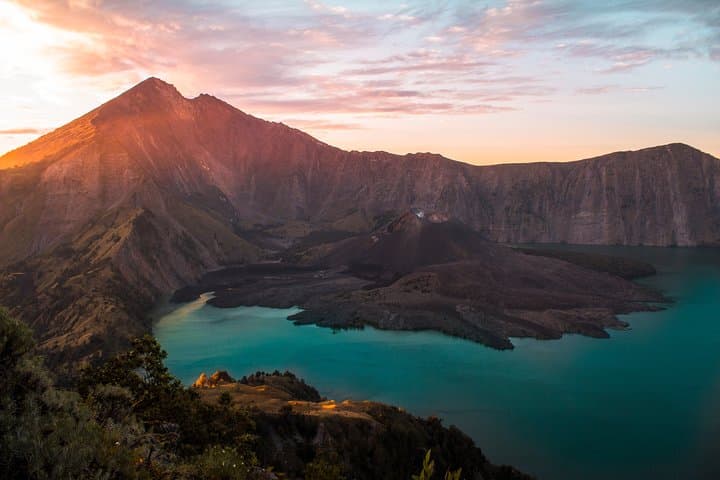
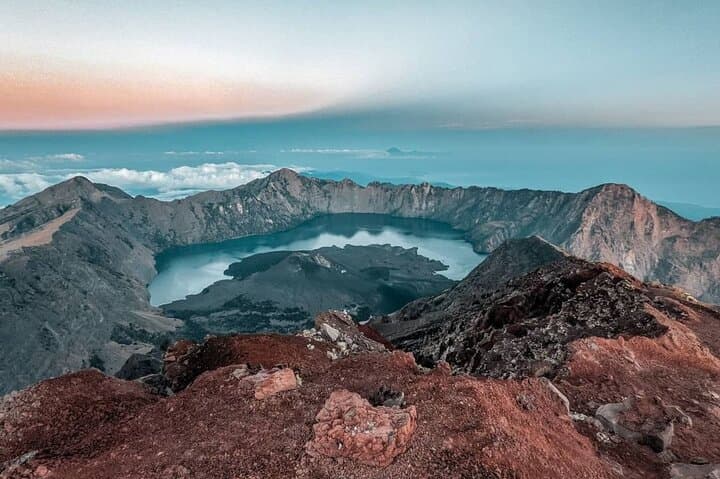
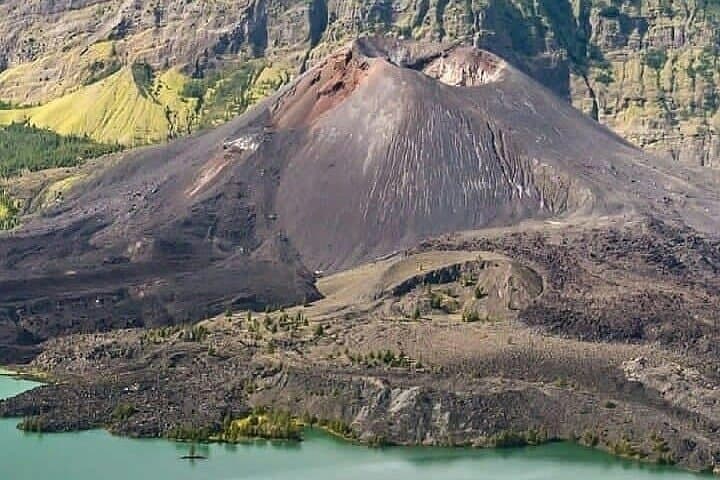
Rinjani is an active stratovolcano whose caldera formed in a violent Pleistocene collapse; Segara Anak, the crater lake, sits like a calm eye in that blowout and feeds hot springs on its shore. The route threads human history too — Sasak villages at Senaru and Sembalun, rice terraces and simple guesthouses, have long been the starting point for pilgrims and porters. From the rim you can see the Gili Islands laid out to the west and Mount Agung on Bali like a distant island watchman.
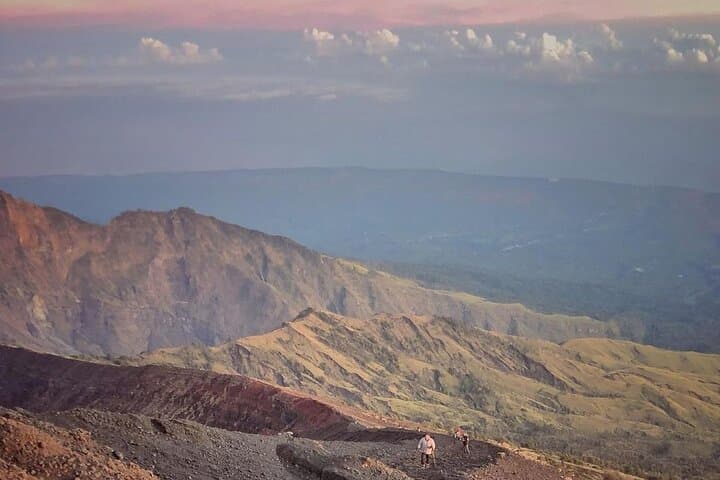
Expect steep switchbacks, loose volcanic soil, and sections where altitude narrows your breath; the summit push is a 3‑hour pre-dawn grind often on dark, icy scree. Camps are basic but functional: tents, shared cooking, and a hot-morning coffee at the rim. After sunrise you descend into the crater to swim-warm springs and a lunch by Segara Anak before the long return through montane forest to Senaru.
Practical notes: allow at least three days, train with long hikes and stair climbs, carry layered insulation for night camps, and plan to move slowly to reduce altitude effects. Guides and porters handle camp setup and much gear — still bring personal water treatment, sun protection, and a headlamp. The mountain rewards persistence with raw views and a landscape that feels alive, pushing and changing with every step.
challenging.
3 days.
Should be in good cardiovascular shape with experience on sustained uphill hikes; train with long ascents and pack carries.
Local guides included in organized treks handle park permits and registration; independent trekkers must register at the national park office.
The summit is a sustained, steep 3‑hour ascent from the rim with loose scree near the top; moderate to high fitness and steady pacing are required.
The dry season (April–October) offers the most stable weather and clearer summit views; heavy rains from November–March make trails slippery and increase risk.
Yes — most 3D/2N packages include guides and porters who carry group cooking gear and set up camps, though you should carry a daypack with personal items.
Sasak communities around Rinjani have long regarded the mountain as sacred; traditional ceremonies and paths link villages to the crater rim.
Rinjani is a protected national park — stick to marked trails, avoid single-use plastics, and follow guide instructions to minimize erosion and disturbance.
Jou Trekking operates guided outdoor trips and adventures with an emphasis on safety, stewardship, and memorable experiences.
Dawn arrives cold and sharp on the Sembalun rim, the high grass bending as if to urge you forward. On day one the trail climbs through open slopes and volcanic scree, pushing you steadily toward Plawangan Sembalun (2,639 m) where the crater rim breaks open and the lake waits below.
Dawn arrives cold and sharp on the Sembalun rim, the high grass bending as if to urge you forward. On day one the trail climbs through open slopes and volcanic scree, pushing you steadily toward Plawangan Sembalun (2,639 m) where the crater rim breaks open and the lake waits below.
Rinjani is an active stratovolcano whose caldera formed in a violent Pleistocene collapse; Segara Anak, the crater lake, sits like a calm eye in that blowout and feeds hot springs on its shore. The route threads human history too — Sasak villages at Senaru and Sembalun, rice terraces and simple guesthouses, have long been the starting point for pilgrims and porters. From the rim you can see the Gili Islands laid out to the west and Mount Agung on Bali like a distant island watchman.
Expect steep switchbacks, loose volcanic soil, and sections where altitude narrows your breath; the summit push is a 3‑hour pre-dawn grind often on dark, icy scree. Camps are basic but functional: tents, shared cooking, and a hot-morning coffee at the rim. After sunrise you descend into the crater to swim-warm springs and a lunch by Segara Anak before the long return through montane forest to Senaru.
Practical notes: allow at least three days, train with long hikes and stair climbs, carry layered insulation for night camps, and plan to move slowly to reduce altitude effects. Guides and porters handle camp setup and much gear — still bring personal water treatment, sun protection, and a headlamp. The mountain rewards persistence with raw views and a landscape that feels alive, pushing and changing with every step.