THE ADVENTURE COLLECTIVE® · Independent discovery and booking for outdoor travel

Summit Mt. Rinjani in a compact 2-day, 1-night trek that delivers sunrise views over Lombok and the crater lake Segara Anak. Expect steep switchbacks, volcanic scree and an overnight camp guided by local porters.
Summit Mt. Rinjani in a compact 2-day, 1-night trek that delivers sunrise views over Lombok and the crater lake Segara Anak. Expect steep switchbacks, volcanic scree and an overnight camp guided by local porters.
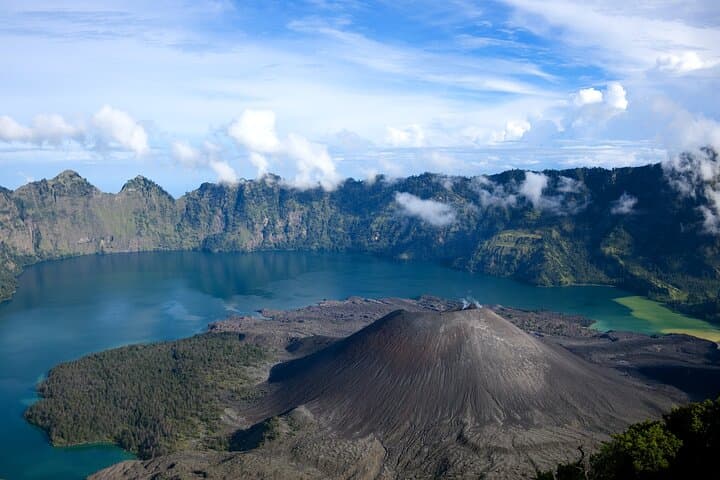
Dawn on Rinjani starts in the dark: headlamps bob along a narrow trail, volcanic scree crunches beneath boots, and a cool wind pushes climbers toward a ridgeline that will reveal the island below. By first light the crater opens—a bowl of deep blue (Segara Anak) framed by serrated rim and the sharp silhouette of Mt. Agung across the Lombok Strait.
Verified experiences and guided adventures in the surrounding area.
Operated by BaliHit · Senaru, West Nusa Tenggara
Dawn on Rinjani starts in the dark: headlamps bob along a narrow trail, volcanic scree crunches beneath boots, and a cool wind pushes climbers toward a ridgeline that will reveal the island below. By first light the crater opens—a bowl of deep blue (Segara Anak) framed by serrated rim and the sharp silhouette of Mt. Agung across the Lombok Strait.
Rinjani rises to 3,726 m and holds layers of history: it’s an active stratovolcano shaped by repeated eruptions, and the Sasak people regard parts of the mountain as sacred. Geologically, the crater and inner lake formed after a massive collapse; hikers cross lava flows, volcanic ash fields and alpine meadows. Local villages—Senaru and Sembalun—have long been base points for guides and porters who carry tents and meals up the steep switchbacks.
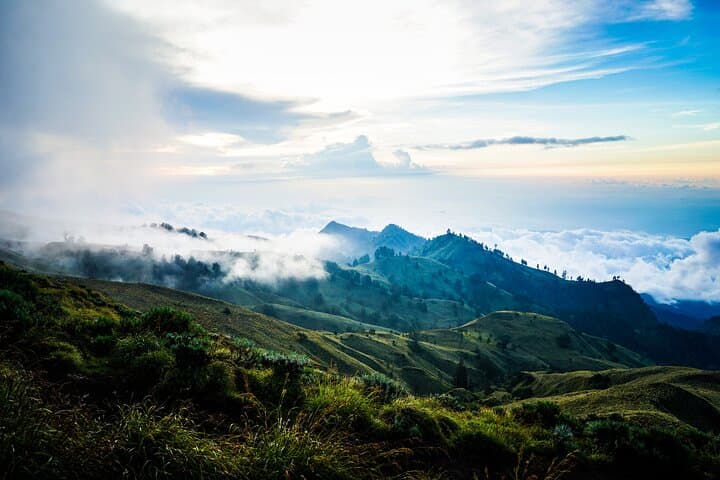
Expect two days of sustained uphill effort and one night camped at high altitude. The approach alternates hardened dirt track, loose scree and steep stone steps cut by earlier trails; elevation gain is roughly 1,200–1,800 m depending on your route. Weather can shift fast: clear pre-dawn vistas are common, but wind and sudden rain put a premium on layers.
Practically: move slowly to manage altitude, drink regularly, and plan for early starts to reach the summit for sunrise. Guides typically provide transport, meals, tents, and porters; bring sturdy boots, warm layers, a headlamp and 2–3 liters of water. With preparation, the climb rewards you with crater-lake panoramas and an unforgettable summit sunrise over Lombok and Bali.
challenging.
8–10 hours (spread over 2 days).
Good cardiovascular fitness and experience with sustained uphill hikes; able to carry a daypack and move on loose terrain.
Yes—local guides and park entry fees are required; this tour includes guides, porters and entrance tickets.
Temperatures can drop to near freezing at night and during the summit; bring thermal layers and a windproof shell.
Not recommended for young children, pregnant travelers, or those with serious heart/spinal conditions due to altitude and steep terrain.
The tour typically includes one night in a homestay before or after and camping equipment (tents, mattresses, sleeping bags) on the mountain.
Rinjani is part of Gunung Rinjani National Park and holds cultural significance for the Sasak people; the crater lake is featured in local rituals.
The area is protected as a national park with visitor limits and regulations—follow leave-no-trace practices and respect local cultural sites.
BaliHit operates guided outdoor trips and adventures with an emphasis on safety, stewardship, and memorable experiences.

Dawn on Rinjani starts in the dark: headlamps bob along a narrow trail, volcanic scree crunches beneath boots, and a cool wind pushes climbers toward a ridgeline that will reveal the island below. By first light the crater opens—a bowl of deep blue (Segara Anak) framed by serrated rim and the sharp silhouette of Mt. Agung across the Lombok Strait.
Dawn on Rinjani starts in the dark: headlamps bob along a narrow trail, volcanic scree crunches beneath boots, and a cool wind pushes climbers toward a ridgeline that will reveal the island below. By first light the crater opens—a bowl of deep blue (Segara Anak) framed by serrated rim and the sharp silhouette of Mt. Agung across the Lombok Strait.
Rinjani rises to 3,726 m and holds layers of history: it’s an active stratovolcano shaped by repeated eruptions, and the Sasak people regard parts of the mountain as sacred. Geologically, the crater and inner lake formed after a massive collapse; hikers cross lava flows, volcanic ash fields and alpine meadows. Local villages—Senaru and Sembalun—have long been base points for guides and porters who carry tents and meals up the steep switchbacks.
Expect two days of sustained uphill effort and one night camped at high altitude. The approach alternates hardened dirt track, loose scree and steep stone steps cut by earlier trails; elevation gain is roughly 1,200–1,800 m depending on your route. Weather can shift fast: clear pre-dawn vistas are common, but wind and sudden rain put a premium on layers.
Practically: move slowly to manage altitude, drink regularly, and plan for early starts to reach the summit for sunrise. Guides typically provide transport, meals, tents, and porters; bring sturdy boots, warm layers, a headlamp and 2–3 liters of water. With preparation, the climb rewards you with crater-lake panoramas and an unforgettable summit sunrise over Lombok and Bali.