THE ADVENTURE COLLECTIVE® · Independent discovery and booking for outdoor travel

A compact, high-reward climb from Sembalun to Rinjani’s 3,726 m summit in two days. Expect steep volcanic sand, pre-dawn starts and sweeping island views—plus practical tips to prepare.
A compact, high-reward climb from Sembalun to Rinjani’s 3,726 m summit in two days. Expect steep volcanic sand, pre-dawn starts and sweeping island views—plus practical tips to prepare.
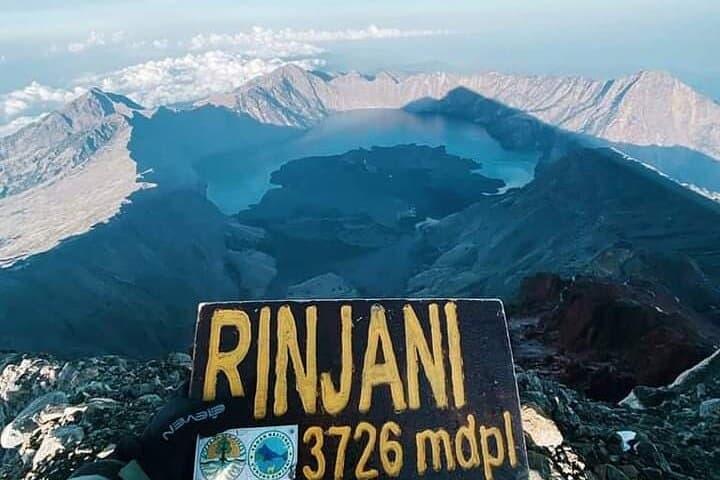
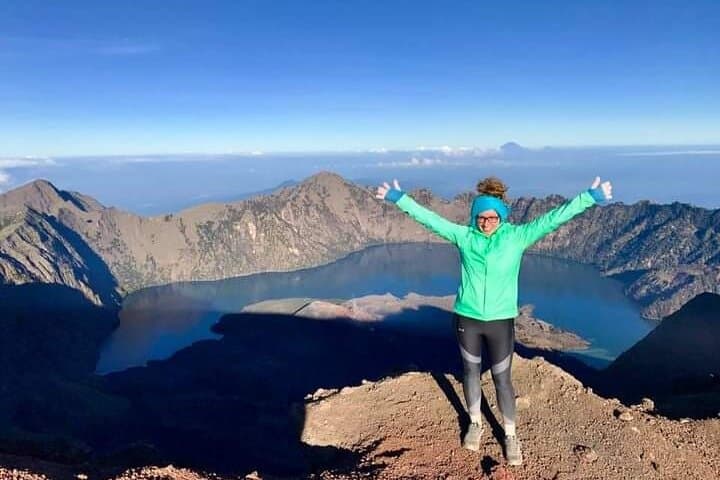
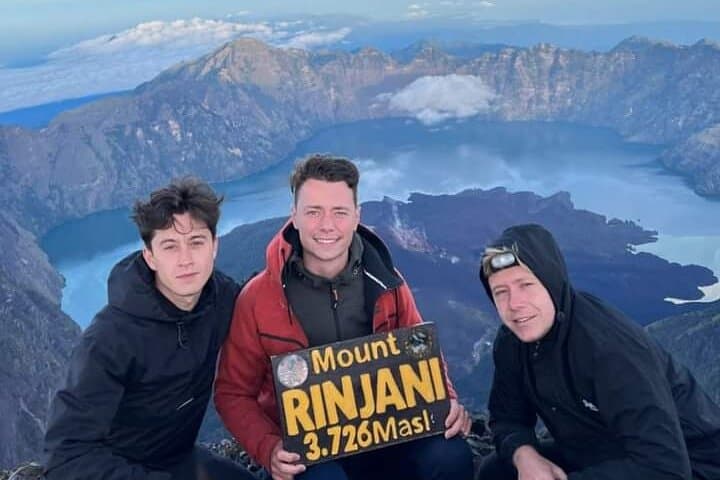
Dawn pulls cold light across the crater rim as headlamps bob like fireflies on the path to Rinjani’s summit. The air is thin and metallic; volcanic sand slips under boot soles and the island of Lombok unfolds below, edged by the ocean.
Verified experiences and guided adventures in the surrounding area.
Operated by Lombok Trekking Info · Sembalun, West Nusa Tenggara
Dawn pulls cold light across the crater rim as headlamps bob like fireflies on the path to Rinjani’s summit. The air is thin and metallic; volcanic sand slips under boot soles and the island of Lombok unfolds below, edged by the ocean.
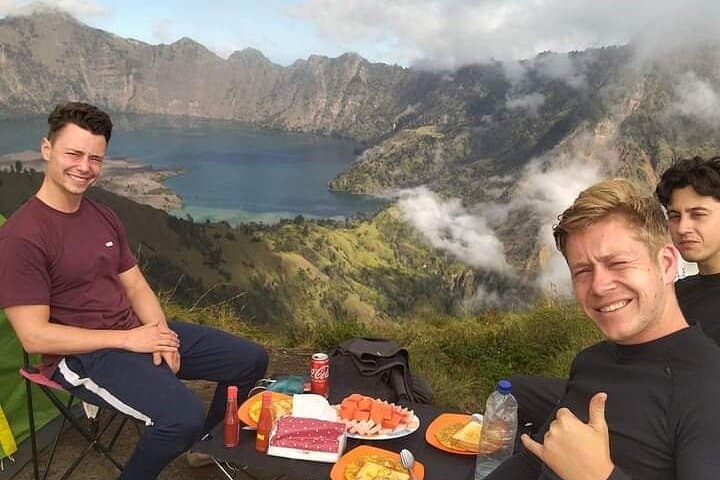
This condensed 2-day itinerary begins in Sembalun Village and climbs to the Sembalun Crater Rim (≈2,639 m) for an overnight, then pushes to the summit (3,726 m) before sunrise. Geologically, Rinjani is a young stratovolcano—steep ridgelines of ash, gravel and loose sand give way to the green saddle of Segara Anak lake in the caldera. Locally, the mountain is important to Sasak and Balinese communities for ritual and seasonal grazing; you’ll pass shepherd fields and see simple mountain shrines near the trailheads.
Expect steep, sustained ascent: day one climbs roughly 1,200–1,500 m to the crater rim over 6–8 hours across dirt tracks and volcanic scree; day two adds about 1,000 m in 3–5 hours on loose sand and gravel. Weather changes fast—clear, cold mornings and wind-prone ridges are typical.
Practical guidance: carry warm layers for the pre-dawn summit, bring 3 L of water minimum and use trekking poles for sand sections. Guides and porters handle camp logistics and cooking; a reliable headlamp and solid boots are essential. Altitude can affect anyone—pacing, hydration and honest communication with guides matter. For travelers short on time, this compact ascent delivers the sunrise, crater views and Segara Anak’s blue basin in two intense, rewarding days.
challenging.
2 days (12–16 hours of trekking).
Requires good cardiovascular fitness and leg strength; regular hikers who train with sustained climbs will manage best.
You should have a moderate-to-high fitness level—able to hike uphill for several hours with a daypack and complete steep descents. Prior multi-hour hikes are recommended.
Yes, the summit is 3,726 m; symptoms can affect anyone. Hydrate, pace yourself, and notify guides early if you feel unwell—descent is the primary remedy.
Facilities are basic or non-existent above village level; operators typically provide simple camp arrangements and pit-style facilities at campsites.
Operators may delay or cancel summit attempts for safety. Cancellation policies vary; plan flexibility and consider travel insurance for weather-related changes.
Rinjani holds cultural significance for Sasak and Balinese communities; the caldera lake Segara Anak is used in local rituals and seasonal offerings.
High foot traffic and campfire impacts are concerns—stick to established campsites, pack out waste, and use local guides who follow park rules.
Lombok Trekking Info operates guided outdoor trips and adventures with an emphasis on safety, stewardship, and memorable experiences.
Dawn pulls cold light across the crater rim as headlamps bob like fireflies on the path to Rinjani’s summit. The air is thin and metallic; volcanic sand slips under boot soles and the island of Lombok unfolds below, edged by the ocean.
Dawn pulls cold light across the crater rim as headlamps bob like fireflies on the path to Rinjani’s summit. The air is thin and metallic; volcanic sand slips under boot soles and the island of Lombok unfolds below, edged by the ocean.
This condensed 2-day itinerary begins in Sembalun Village and climbs to the Sembalun Crater Rim (≈2,639 m) for an overnight, then pushes to the summit (3,726 m) before sunrise. Geologically, Rinjani is a young stratovolcano—steep ridgelines of ash, gravel and loose sand give way to the green saddle of Segara Anak lake in the caldera. Locally, the mountain is important to Sasak and Balinese communities for ritual and seasonal grazing; you’ll pass shepherd fields and see simple mountain shrines near the trailheads.
Expect steep, sustained ascent: day one climbs roughly 1,200–1,500 m to the crater rim over 6–8 hours across dirt tracks and volcanic scree; day two adds about 1,000 m in 3–5 hours on loose sand and gravel. Weather changes fast—clear, cold mornings and wind-prone ridges are typical.
Practical guidance: carry warm layers for the pre-dawn summit, bring 3 L of water minimum and use trekking poles for sand sections. Guides and porters handle camp logistics and cooking; a reliable headlamp and solid boots are essential. Altitude can affect anyone—pacing, hydration and honest communication with guides matter. For travelers short on time, this compact ascent delivers the sunrise, crater views and Segara Anak’s blue basin in two intense, rewarding days.