THE ADVENTURE COLLECTIVE® · Independent discovery and booking for outdoor travel

Push from Sembalun through grasslands and scree to reach Mount Rinjani’s 3,726 m summit in two days. This guided trek delivers a dawn view over Segara Anak and Bali’s volcanoes—expect steep, loose trails and cold summit winds.
Push from Sembalun through grasslands and scree to reach Mount Rinjani’s 3,726 m summit in two days. This guided trek delivers a dawn view over Segara Anak and Bali’s volcanoes—expect steep, loose trails and cold summit winds.
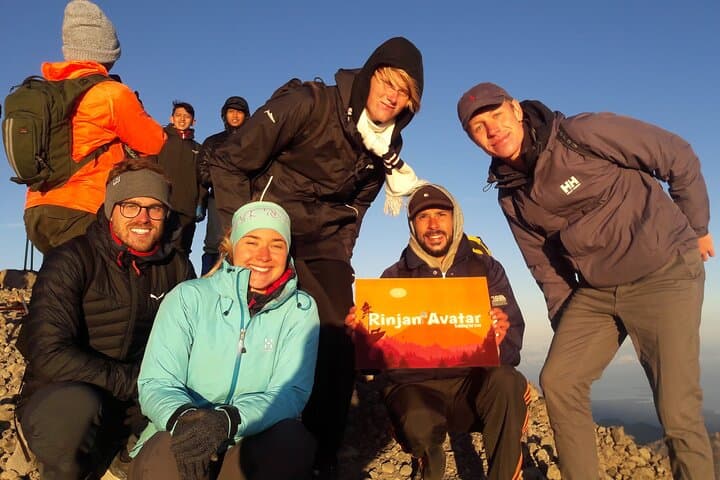
You wake before the stars and the village of Sembalun is a smear of lamps below as headlamps bob toward the ridge. The trail climbs out of grasslands into thin, whispering pines; sand gives way to scree and the slope tightens until the summit opens to a horizon of other volcanoes and an impossible sunrise.
Verified experiences and guided adventures in the surrounding area.
Operated by Rizal trekking - rinjani trekking guide · Sembalun, West Nusa Tenggara
You wake before the stars and the village of Sembalun is a smear of lamps below as headlamps bob toward the ridge. The trail climbs out of grasslands into thin, whispering pines; sand gives way to scree and the slope tightens until the summit opens to a horizon of other volcanoes and an impossible sunrise.
Rinjani is the second-highest volcano in Indonesia and its vast caldera holds Segara Anak lake and the active cone Barujari. Geologically young and restless, the mountain’s slopes record lava flows and ash layers, while the Sasak people of Lombok consider parts of the massif sacred—traditional villages still farm the lower meadows that trekkers pass. Cultural markers include simple shrines and terraced plots in Sembalun that speak to a long human relationship with the slopes.
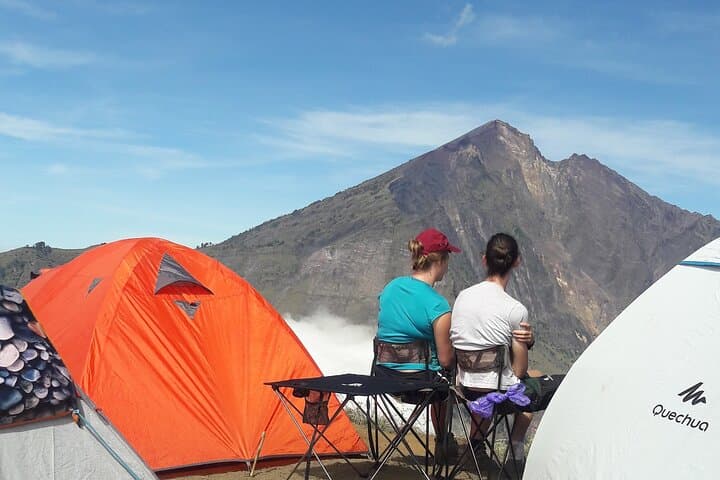
Practically, this is a two-day, one-night guided trek from Sembalun: day one crosses open meadow and sandy slopes to a crater-rim camp; day two begins around 2 a.m. for a 1,100 m, steep, loose-gravel push to the summit for sunrise, then a return to Sembalun. Expect 6–8 hours of hiking on day one and 6–10 hours on day two depending on pace.
Pack layers for freezing summit winds, carry water and snacks, and use trekking poles for the sand and scree. Guides and porters handle tents and meals; permits and park fees are included. Move deliberately on the loose sections—the mountain rewards patience with light that paints the caldera and a view that makes every step count.
challenging.
2 days (approx. 48 hours including transfers).
Good cardiovascular fitness and experience with day hikes; able to sustain steep ascents and long descents.
No technical climbing skills are required; the route is non-technical but steep and on loose material—guided support and porters are provided.
Yes, the advertised trip includes Mount Rinjani National Park fees, guide, porter, camp gear and meals as listed.
The dry season (May–October) offers the most stable conditions and clearer summit sunrises; the rainy season makes trails slippery and visibility poor.
You’ll ascend about 1,100 m in a single pre-dawn push—mild altitude symptoms can occur; communicate any issues to your guide and pace your ascent.
Rinjani’s caldera has deep cultural meaning for the Sasak people; the crater and lake appear in local legends and traditional rituals.
Rinjani is protected as a national park—stick to trails, pack out waste, and avoid fires to reduce erosion and protect fragile alpine plants.
Rizal trekking - rinjani trekking guide operates guided outdoor trips and adventures with an emphasis on safety, stewardship, and memorable experiences.
You wake before the stars and the village of Sembalun is a smear of lamps below as headlamps bob toward the ridge. The trail climbs out of grasslands into thin, whispering pines; sand gives way to scree and the slope tightens until the summit opens to a horizon of other volcanoes and an impossible sunrise.
You wake before the stars and the village of Sembalun is a smear of lamps below as headlamps bob toward the ridge. The trail climbs out of grasslands into thin, whispering pines; sand gives way to scree and the slope tightens until the summit opens to a horizon of other volcanoes and an impossible sunrise.
Rinjani is the second-highest volcano in Indonesia and its vast caldera holds Segara Anak lake and the active cone Barujari. Geologically young and restless, the mountain’s slopes record lava flows and ash layers, while the Sasak people of Lombok consider parts of the massif sacred—traditional villages still farm the lower meadows that trekkers pass. Cultural markers include simple shrines and terraced plots in Sembalun that speak to a long human relationship with the slopes.
Practically, this is a two-day, one-night guided trek from Sembalun: day one crosses open meadow and sandy slopes to a crater-rim camp; day two begins around 2 a.m. for a 1,100 m, steep, loose-gravel push to the summit for sunrise, then a return to Sembalun. Expect 6–8 hours of hiking on day one and 6–10 hours on day two depending on pace.
Pack layers for freezing summit winds, carry water and snacks, and use trekking poles for the sand and scree. Guides and porters handle tents and meals; permits and park fees are included. Move deliberately on the loose sections—the mountain rewards patience with light that paints the caldera and a view that makes every step count.