THE ADVENTURE COLLECTIVE® · Independent discovery and booking for outdoor travel

A brisk two-day trek from Senaru to Rinjani’s crater rim offers a dramatic sunrise over Segara Anak and Mount Merapi, moving quickly from rainforest to volcanic ridgeline. This itinerary suits fit beginners with strong stamina and includes guides, porters, and camping kit.
A brisk two-day trek from Senaru to Rinjani’s crater rim offers a dramatic sunrise over Segara Anak and Mount Merapi, moving quickly from rainforest to volcanic ridgeline. This itinerary suits fit beginners with strong stamina and includes guides, porters, and camping kit.
Morning fog lifts off the trail as you step from Senaru village into a rainforest that feels like it’s breathing—ferns drip, birds punctuate silence, and old volcanic soil grips your boots. The two-day, one-night Senaru route climbs to the crater rim at approximately 2,641 m, delivering a sunrise that frames Segara Anak lake and the distant cone of Mount Merapi.
Verified experiences and guided adventures in the surrounding area.
Operated by Cakrawala Rinjani Trekking · Senaru, West Nusa Tenggara
Morning fog lifts off the trail as you step from Senaru village into a rainforest that feels like it’s breathing—ferns drip, birds punctuate silence, and old volcanic soil grips your boots. The two-day, one-night Senaru route climbs to the crater rim at approximately 2,641 m, delivering a sunrise that frames Segara Anak lake and the distant cone of Mount Merapi.
Rinjani is one of Indonesia’s most dramatic volcanoes; its caldera and lake formed during large eruptions centuries ago and remain culturally significant to the Sasak and Balinese communities who make ritual visits to Segara Anak. The geology changes fast on this trek: shifting from cultivated foothills into dense montane rainforest, then to rocky switchbacks and loose volcanic scree closer to the rim.
Expect 7–9 km one-way with roughly 1,900–2,100 m of elevation gain depending on your exact start point, much of it steep and sustained. The path alternates packed dirt, tree-rooted tread, and steeper scree sections; porters and guides are standard and often included. Wildlife is alive in the understory—monkeys sometimes watch from the canopy and deer may slip through subcanopy clearings.
Practically: start early, layer for cold nights at the crater rim, and plan for heavy exertion on Day 1 with a longer, gentler descent on Day 2. Bring 3L water capacity, a warm sleeping layer, and a headlamp—summit ridgetops are exposed and wind can make temperatures drop sharply. Permits are required; many operators handle them and provide tents, sleeping mats, and meals.
challenging.
2 days (approx. 48 hours).
Suitable for hikers with good cardiovascular fitness and prior day-hike experience; expect sustained uphill hiking and heavy exertion.
Yes—park entry and trekking permits are required (the tour lists a permit fee). Most operators arrange permits on your behalf.
The route is physically demanding with long steep sections and significant elevation gain; it’s suitable for fit beginners but requires stamina and proper gear.
Standard packages include tents, sleeping bags, and mattresses; guides and porters typically set up camp and handle meals.
At the crater rim (≈2,641 m) some people notice mild symptoms—ascend slowly, hydrate, and communicate with guides if you feel unwell.
Mount Rinjani’s caldera and Segara Anak lake are products of major volcanic activity and hold spiritual significance for local Sasak and Balinese communities who perform periodic ceremonies at the lake.
Rinjani is a protected national park with permit fees helping fund management; stick to established trails, pack out waste, and use local guides to minimize impact.
Cakrawala Rinjani Trekking operates guided outdoor trips and adventures with an emphasis on safety, stewardship, and memorable experiences.
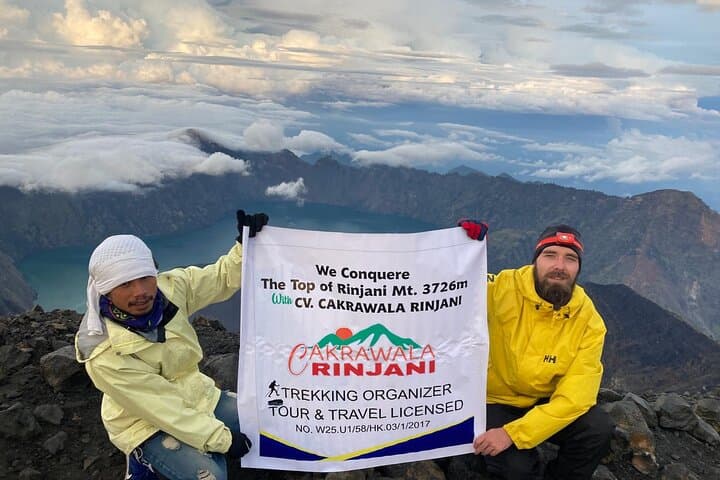
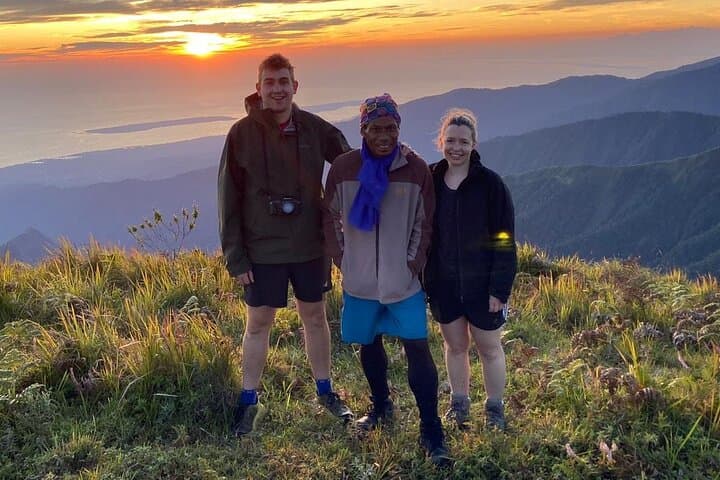
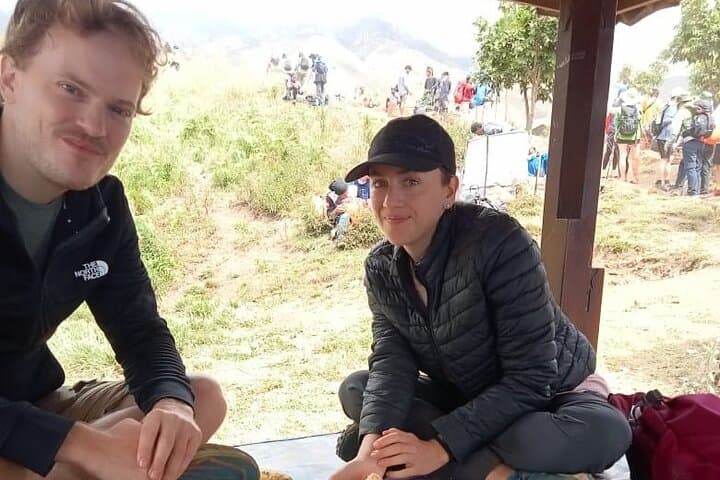
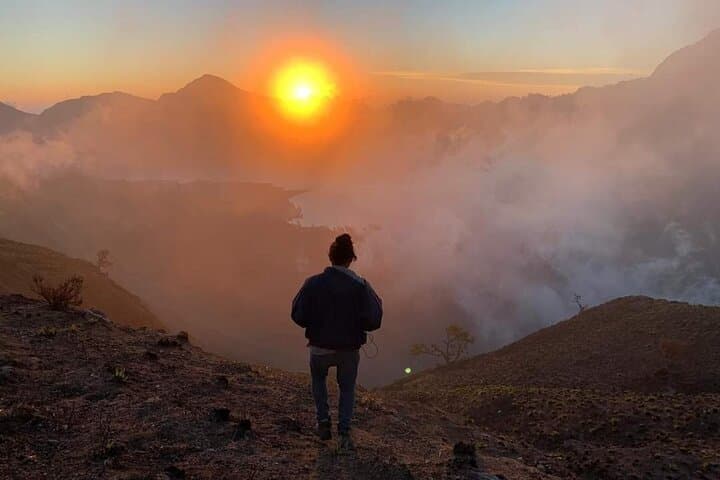
Morning fog lifts off the trail as you step from Senaru village into a rainforest that feels like it’s breathing—ferns drip, birds punctuate silence, and old volcanic soil grips your boots. The two-day, one-night Senaru route climbs to the crater rim at approximately 2,641 m, delivering a sunrise that frames Segara Anak lake and the distant cone of Mount Merapi.
Morning fog lifts off the trail as you step from Senaru village into a rainforest that feels like it’s breathing—ferns drip, birds punctuate silence, and old volcanic soil grips your boots. The two-day, one-night Senaru route climbs to the crater rim at approximately 2,641 m, delivering a sunrise that frames Segara Anak lake and the distant cone of Mount Merapi.
Rinjani is one of Indonesia’s most dramatic volcanoes; its caldera and lake formed during large eruptions centuries ago and remain culturally significant to the Sasak and Balinese communities who make ritual visits to Segara Anak. The geology changes fast on this trek: shifting from cultivated foothills into dense montane rainforest, then to rocky switchbacks and loose volcanic scree closer to the rim.
Expect 7–9 km one-way with roughly 1,900–2,100 m of elevation gain depending on your exact start point, much of it steep and sustained. The path alternates packed dirt, tree-rooted tread, and steeper scree sections; porters and guides are standard and often included. Wildlife is alive in the understory—monkeys sometimes watch from the canopy and deer may slip through subcanopy clearings.
Practically: start early, layer for cold nights at the crater rim, and plan for heavy exertion on Day 1 with a longer, gentler descent on Day 2. Bring 3L water capacity, a warm sleeping layer, and a headlamp—summit ridgetops are exposed and wind can make temperatures drop sharply. Permits are required; many operators handle them and provide tents, sleeping mats, and meals.