THE ADVENTURE COLLECTIVE® · Independent discovery and booking for outdoor travel

Cross Lake Lucerne, ride a historic cogwheel train and top out at Rigi Kulm for sweeping alpine panoramas. This full-day circuit combines calm boat passages with scenic rail and cableway connections—ideal for travelers who want a high-reward, low-stress alpine experience.
Cross Lake Lucerne, ride a historic cogwheel train and top out at Rigi Kulm for sweeping alpine panoramas. This full-day circuit combines calm boat passages with scenic rail and cableway connections—ideal for travelers who want a high-reward, low-stress alpine experience.
You step onto the varnished deck as Lake Lucerne opens like a cool blue throat, the city of Luzern receding behind you and alpine slopes rising ahead. The boat’s wake sketches a temporary line across glassy water; mountains watch and, for the day, invite you upward.
Verified experiences and guided adventures in the surrounding area.
Operated by SwissTravelGuide.ch · Lucerne, Canton of Lucerne
You step onto the varnished deck as Lake Lucerne opens like a cool blue throat, the city of Luzern receding behind you and alpine slopes rising ahead. The boat’s wake sketches a temporary line across glassy water; mountains watch and, for the day, invite you upward.
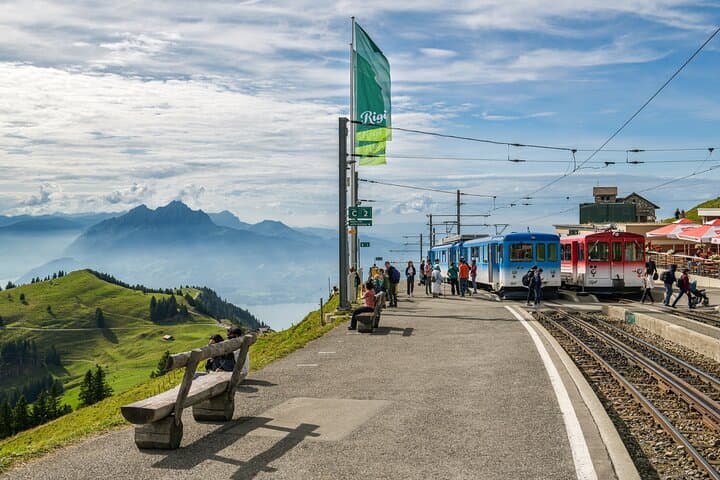
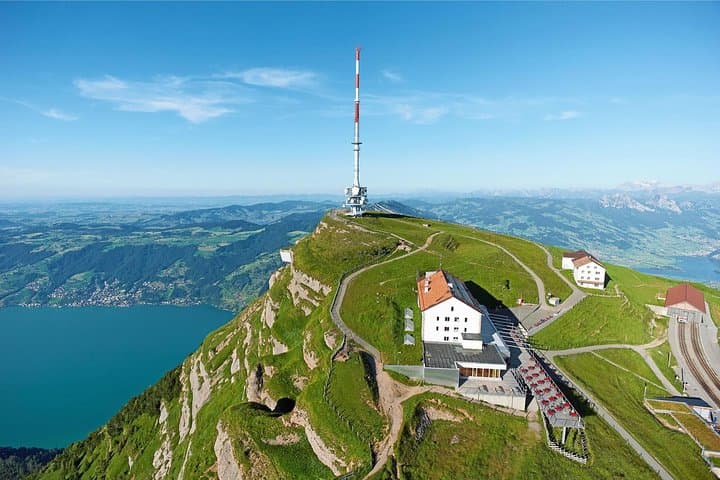
The route is part natural history and part engineering history: Rigi Kulm sits on Molasse rock formed in the Tertiary, its broad shoulders revealing glacial scars and steep cirques. The Rigi Railway—one of Europe’s earliest cog railways, opened in 1871—still climbs through fir and beech, a moving postcard into Swiss alpine culture. Villages like Vitznau and Weggis keep the lakeside pace, while Rigi Kaltbad has long been a spa and mountain-rest stop.
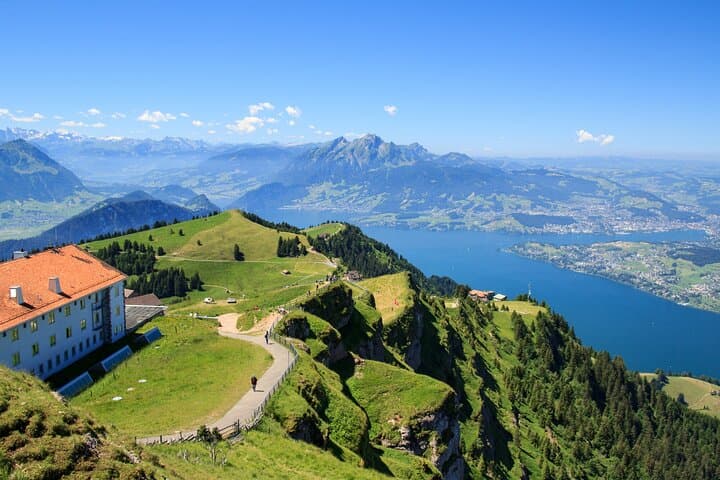
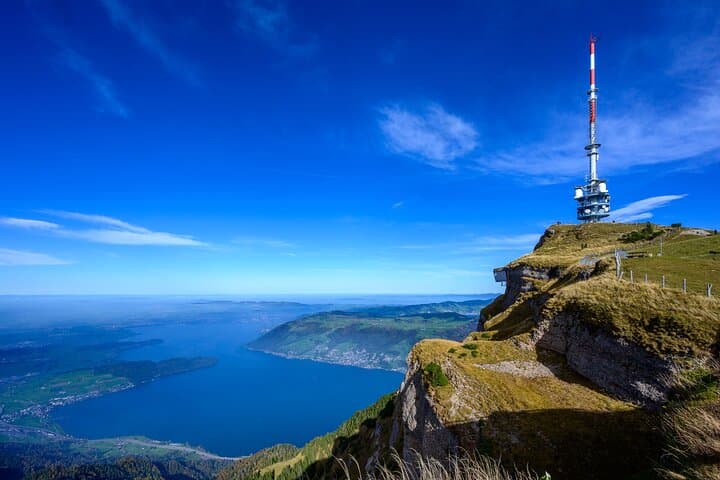
On the summit hour you’ll trade boat breezes for thin, crisp air and sweeping views of four lakes and the jagged silhouette of the Alps. Trails here vary from short panoramic walks to longer ridgeline routes; meadows hum with alpine insects in summer and go quiet under snow in winter.
Practical edge: the day trip is logistically gentle—boats, cogwheel train and cableway are scheduled, with most tickets included—yet the altitude, quick weather shifts and exposed viewpoints reward preparation. Wear sturdy shoes for uneven paths, bring layers and water, and time your camera work for mid-morning or late-afternoon light when shadows define the ridgelines. Expect well-marked paths, a few steep stair sections at stations, and plenty of postcard views that demand a pause.
moderate.
6–7 hours.
Suitable for travelers in average fitness who can stand and walk short to moderate distances; not strenuous but requires mobility for stairs and uneven paths.
Most departures board near Lucerne’s central quays within easy walking distance of the train station; public transit and short walks connect the city center to the pier.
The cogwheel train handles the steep ascent for you—passengers just need to be able to board and disembark; the ride itself is comfortable and scenic.
The itinerary lists a lunch stop at Rigi Staffel but restaurant meals are typically at your own expense; check the tour details for any included refreshments.
Boat, train and cableway are generally accessible, but some summit paths and station platforms have steps—contact the operator in advance to confirm specific accessibility needs.
The Vitznau–Rigi Railway opened in 1871 and is one of Europe’s first mountain cog railways, making the route a milestone in alpine tourism and engineering.
High visitor numbers can stress alpine vegetation; stick to marked paths, pack out waste, and respect grazing pastures to limit erosion and habitat disturbance.
SwissTravelGuide.ch operates guided outdoor trips and adventures with an emphasis on safety, stewardship, and memorable experiences.
You step onto the varnished deck as Lake Lucerne opens like a cool blue throat, the city of Luzern receding behind you and alpine slopes rising ahead. The boat’s wake sketches a temporary line across glassy water; mountains watch and, for the day, invite you upward.
You step onto the varnished deck as Lake Lucerne opens like a cool blue throat, the city of Luzern receding behind you and alpine slopes rising ahead. The boat’s wake sketches a temporary line across glassy water; mountains watch and, for the day, invite you upward.
The route is part natural history and part engineering history: Rigi Kulm sits on Molasse rock formed in the Tertiary, its broad shoulders revealing glacial scars and steep cirques. The Rigi Railway—one of Europe’s earliest cog railways, opened in 1871—still climbs through fir and beech, a moving postcard into Swiss alpine culture. Villages like Vitznau and Weggis keep the lakeside pace, while Rigi Kaltbad has long been a spa and mountain-rest stop.
On the summit hour you’ll trade boat breezes for thin, crisp air and sweeping views of four lakes and the jagged silhouette of the Alps. Trails here vary from short panoramic walks to longer ridgeline routes; meadows hum with alpine insects in summer and go quiet under snow in winter.
Practical edge: the day trip is logistically gentle—boats, cogwheel train and cableway are scheduled, with most tickets included—yet the altitude, quick weather shifts and exposed viewpoints reward preparation. Wear sturdy shoes for uneven paths, bring layers and water, and time your camera work for mid-morning or late-afternoon light when shadows define the ridgelines. Expect well-marked paths, a few steep stair sections at stations, and plenty of postcard views that demand a pause.