THE ADVENTURE COLLECTIVE® · Independent discovery and booking for outdoor travel

Grab a Mount Rigi day ticket for easy, self-guided access to one of Switzerland’s most view-filled mountains. Take cogwheel trains or cable cars from Lucerne-area ports, enjoy short summit walks and explore thermal baths and family-friendly trails.
Grab a Mount Rigi day ticket for easy, self-guided access to one of Switzerland’s most view-filled mountains. Take cogwheel trains or cable cars from Lucerne-area ports, enjoy short summit walks and explore thermal baths and family-friendly trails.
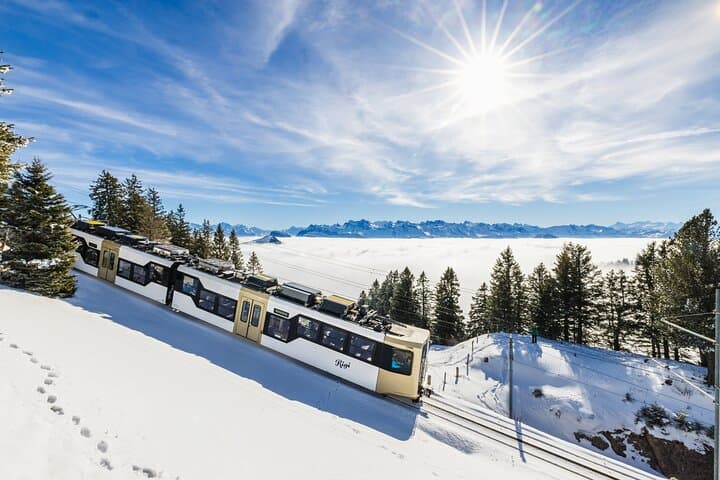
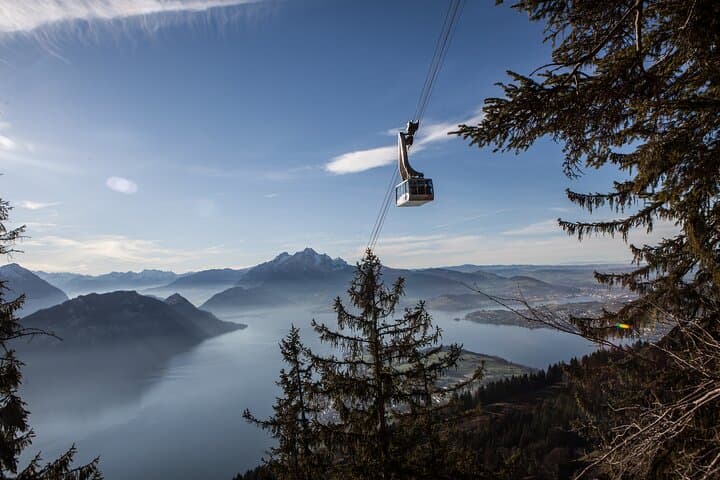
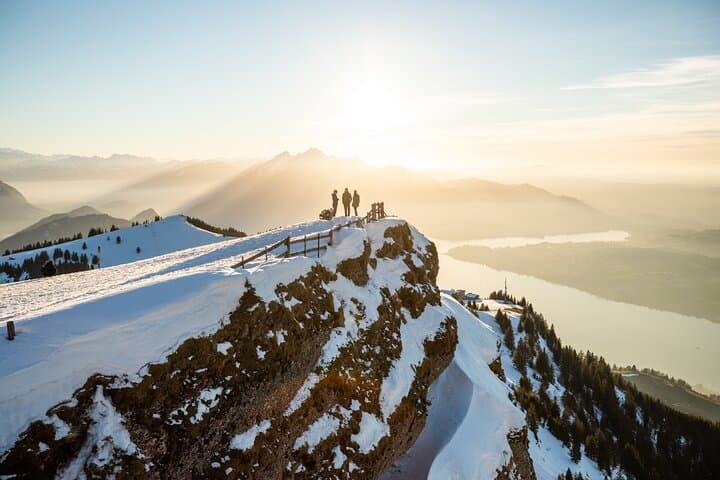
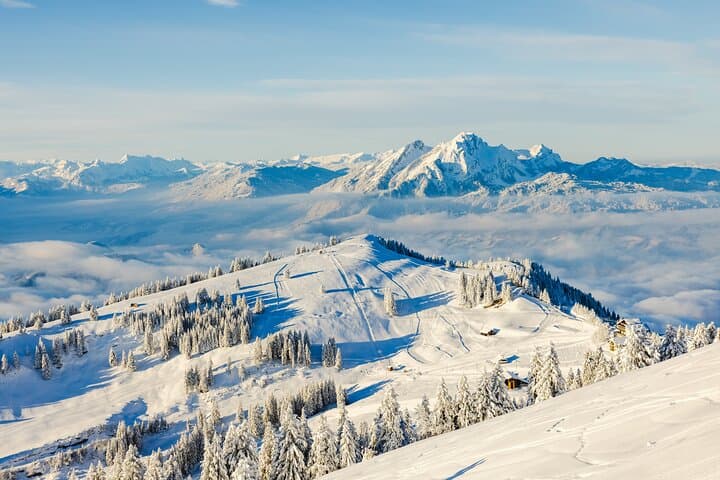
You step off the boat in Lucerne and the air shifts—crisp, clear, threaded with pine and lake spray. In an hour the cogwheel train is laboring up granite ribs, every turn giving wider panoramas: Lake Lucerne curving like a fjord, the lowlands laid out below and alpine teeth on the far horizon. At Rigi Kulm the summit walks are short but revealing; a ring of viewpoints opens 360 degrees and the mountain feels less like a peak and more like a high terrace over central Switzerland.
Verified experiences and guided adventures in the surrounding area.
Operated by RIGI BAHNEN AG · Vitznau, Canton of Schwyz
You step off the boat in Lucerne and the air shifts—crisp, clear, threaded with pine and lake spray. In an hour the cogwheel train is laboring up granite ribs, every turn giving wider panoramas: Lake Lucerne curving like a fjord, the lowlands laid out below and alpine teeth on the far horizon. At Rigi Kulm the summit walks are short but revealing; a ring of viewpoints opens 360 degrees and the mountain feels less like a peak and more like a high terrace over central Switzerland.
Rigi’s roots are geological—molasse and conglomerate capped by ice-scoured bedrock—shaped by glaciers and centuries of trail traffic. Culturally it’s a pioneer of mountain tourism: early resorts, mineral baths at Rigi Kaltbad and one of Europe’s first mountain railways, the Vitznau–Rigi cogwheel train (1871). Locals prize the thermal baths, family-friendly slopes and easy access from Lucerne or Arth-Goldau.
Practical guidance: the day ticket covers cogwheel trains from Vitznau and Goldau and cable cars from Weggis/Kräbel when operating; rides run year-round, but check the rigi.ch site for cable car maintenance windows. Expect 3–7 hours for a relaxed day that mixes short summit walks, a possible loop to Rigi Scheidegg, and time for a terrace lunch. Wear sturdy walking shoes, bring layers for sudden wind and sun, and plan travel connections—boats, regional trains and hourly mountain trains make a self-guided itinerary simple. Families and less-mobile visitors will find accessible options on the cogwheel lines, though some cable cars have limitations. With panoramic views at every turn, the ticket trades effort for effortless alpine exposure.
easy.
3–7 hours.
Suitable for most fitness levels; walking is optional and paths are short but can be uneven
The ticket is valid from first use during operating hours for the consecutive day(s) selected and can be used at any time during those hours.
Children up to 15 travel free on Mount Rigi when accompanied by an adult, but you must buy lake cruise or spa tickets locally if needed.
Yes—the cogwheel trains from Vitznau and Goldau operate 365 days a year; cable car schedules may vary with maintenance.
Cogwheel trains provide wheelchair access to certain areas, but not all cable cars or summit paths are wheelchair-friendly—advise at booking.
Rigi was a travel destination early in Europe's mountain tourism era; the Vitznau–Rigi cog railway opened in 1871 and helped popularize alpine day trips.
Trails are maintained to concentrate foot traffic and protect fragile alpine meadows—stay on marked paths and pack out litter to reduce erosion.
RIGI BAHNEN AG operates guided outdoor trips and adventures with an emphasis on safety, stewardship, and memorable experiences.
You step off the boat in Lucerne and the air shifts—crisp, clear, threaded with pine and lake spray. In an hour the cogwheel train is laboring up granite ribs, every turn giving wider panoramas: Lake Lucerne curving like a fjord, the lowlands laid out below and alpine teeth on the far horizon. At Rigi Kulm the summit walks are short but revealing; a ring of viewpoints opens 360 degrees and the mountain feels less like a peak and more like a high terrace over central Switzerland.
You step off the boat in Lucerne and the air shifts—crisp, clear, threaded with pine and lake spray. In an hour the cogwheel train is laboring up granite ribs, every turn giving wider panoramas: Lake Lucerne curving like a fjord, the lowlands laid out below and alpine teeth on the far horizon. At Rigi Kulm the summit walks are short but revealing; a ring of viewpoints opens 360 degrees and the mountain feels less like a peak and more like a high terrace over central Switzerland.
Rigi’s roots are geological—molasse and conglomerate capped by ice-scoured bedrock—shaped by glaciers and centuries of trail traffic. Culturally it’s a pioneer of mountain tourism: early resorts, mineral baths at Rigi Kaltbad and one of Europe’s first mountain railways, the Vitznau–Rigi cogwheel train (1871). Locals prize the thermal baths, family-friendly slopes and easy access from Lucerne or Arth-Goldau.
Practical guidance: the day ticket covers cogwheel trains from Vitznau and Goldau and cable cars from Weggis/Kräbel when operating; rides run year-round, but check the rigi.ch site for cable car maintenance windows. Expect 3–7 hours for a relaxed day that mixes short summit walks, a possible loop to Rigi Scheidegg, and time for a terrace lunch. Wear sturdy walking shoes, bring layers for sudden wind and sun, and plan travel connections—boats, regional trains and hourly mountain trains make a self-guided itinerary simple. Families and less-mobile visitors will find accessible options on the cogwheel lines, though some cable cars have limitations. With panoramic views at every turn, the ticket trades effort for effortless alpine exposure.