THE ADVENTURE COLLECTIVE® · Independent discovery and booking for outdoor travel

See the colossal stone heads of King Antiochus I at sunrise and sunset on a compact 2‑day tour from Istanbul. This overnight trip pairs short high‑altitude walks with visits to nearby Commagene sites like Arsemia and Karakuş.
See the colossal stone heads of King Antiochus I at sunrise and sunset on a compact 2‑day tour from Istanbul. This overnight trip pairs short high‑altitude walks with visits to nearby Commagene sites like Arsemia and Karakuş.
At dawn the summit of Mount Nemrut reads like a staged drama: craggy heads lie tilted on stony terraces while the eastern sky bleeds color behind a ridge. On this two-day loop from Istanbul, travelers arrive in Adıyaman and push up into the high plain to meet those colossal 8–9‑metre figures that Antiochus I placed around his royal tomb nearly 2,000 years ago.
Verified experiences and guided adventures in the surrounding area.
Operated by Travel See Life · Kahta, Adıyaman Province
At dawn the summit of Mount Nemrut reads like a staged drama: craggy heads lie tilted on stony terraces while the eastern sky bleeds color behind a ridge. On this two-day loop from Istanbul, travelers arrive in Adıyaman and push up into the high plain to meet those colossal 8–9‑metre figures that Antiochus I placed around his royal tomb nearly 2,000 years ago.
Geology here is simple and stark — a 2,134‑metre volcanic cone sitting at the eastern edge of the Taurus range, carved by wind and winter freeze. The Commagene kingdom left a hybrid cultural record: Hellenistic inscriptions and Iranian iconography coexisting in stone on the east and west terraces, arranged to greet both sunrise and sunset. Nearby sites — Arsemia’s carved relief and the Karakuş tumulus with its eagle column — extend the story of royal ritual across the plateau.
Practically, expect short but rocky walks from the parking area: allow 15–40 minutes each way over uneven pumice and limestone, with wind that can make summer feel like spring and winter bite deep. Sunrise pickups are commonly scheduled before 04:00; sunset visits arrive mid‑afternoon. Bring layered insulation, a windproof shell, and at least 1.5–2 liters of water for the summit visit. Photography windows are tight — arrive early, move deliberately, and respect fenced archaeological zones. The climb isn’t technical, but altitude and loose footing demand steady shoes and measured pacing. For travelers wanting a compact cultural trek with high‑altitude panoramas, Nemrut offers a rare blend of history and raw mountain presence.
moderate.
2 days (approx. 24–30 hours).
Moderate—able to walk 15–40 minutes over uneven ground at high altitude; comfortable with early starts.
The walks from the parking area to the east and west terraces are short (15–40 minutes) but on uneven, rocky ground; no technical climbing is required.
At about 2,134 m symptoms are possible for sensitive travelers—stay hydrated, ascend at a steady pace, and sit down if lightheaded.
This tour includes national park admission and round‑trip flights between Istanbul and Adıyaman per the itinerary; check the booking details for any changes.
Late spring to early autumn offers the mildest weather and longest visibility; winter delivers dramatic snows but colder, windier conditions and possible flight changes.
Mount Nemrut was transformed into a royal tomb‑sanctuary by King Antiochus I of Commagene in the 1st century BCE; its statues mix Greek and Persian religious iconography.
Nemrut is a UNESCO World Heritage Site — stay on paths, avoid touching stonework, and follow guide instructions to limit erosion and damage.
Travel See Life operates guided outdoor trips and adventures with an emphasis on safety, stewardship, and memorable experiences.
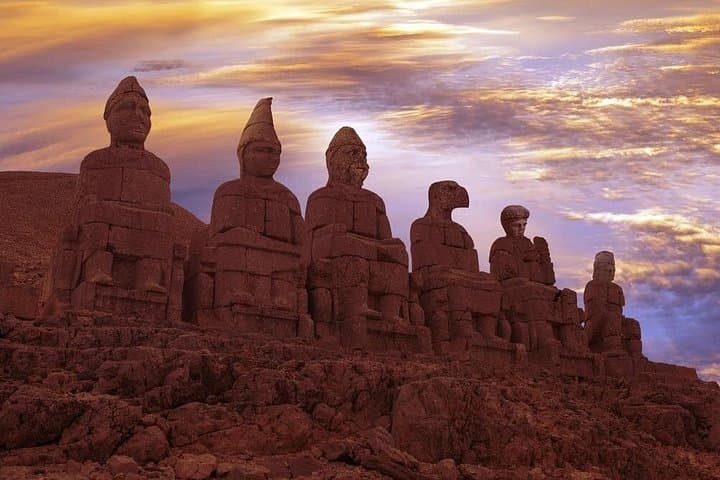
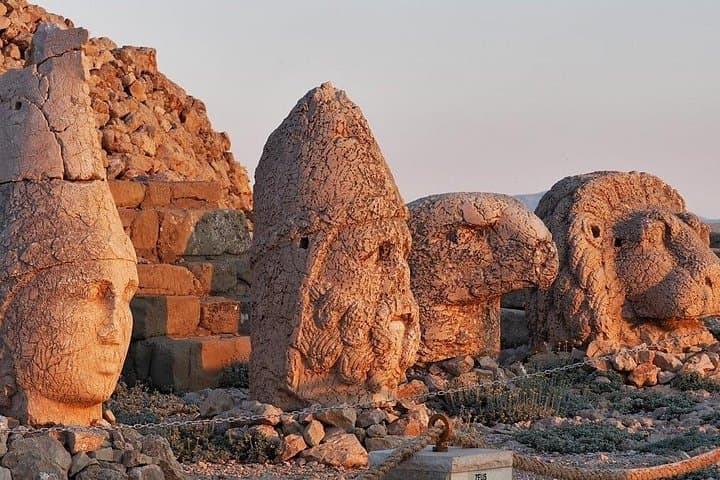
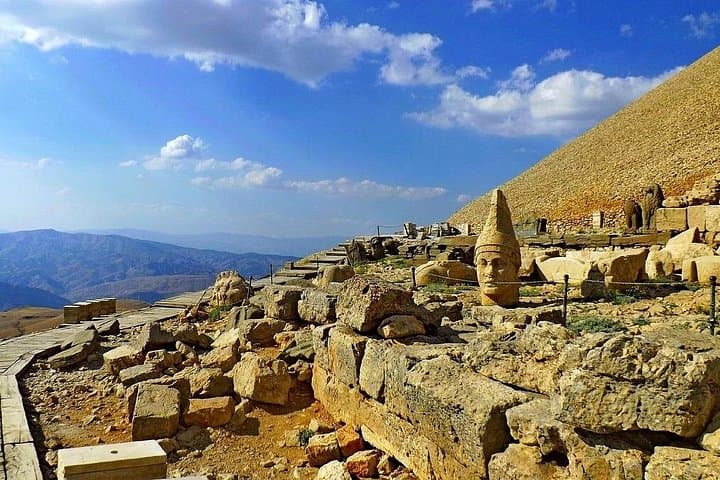
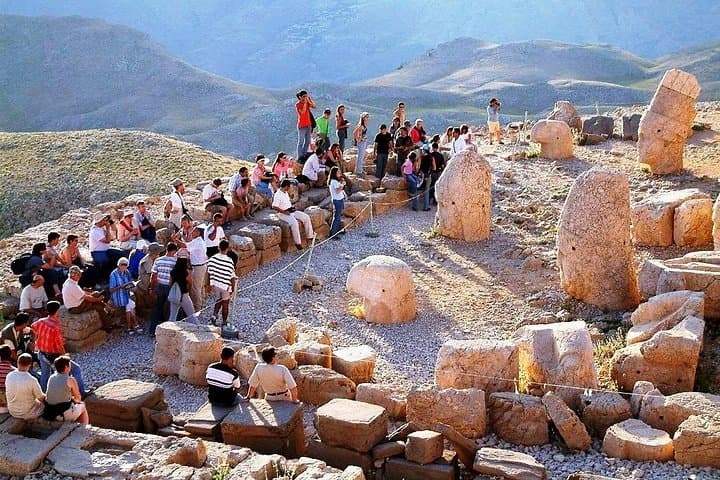
At dawn the summit of Mount Nemrut reads like a staged drama: craggy heads lie tilted on stony terraces while the eastern sky bleeds color behind a ridge. On this two-day loop from Istanbul, travelers arrive in Adıyaman and push up into the high plain to meet those colossal 8–9‑metre figures that Antiochus I placed around his royal tomb nearly 2,000 years ago.
At dawn the summit of Mount Nemrut reads like a staged drama: craggy heads lie tilted on stony terraces while the eastern sky bleeds color behind a ridge. On this two-day loop from Istanbul, travelers arrive in Adıyaman and push up into the high plain to meet those colossal 8–9‑metre figures that Antiochus I placed around his royal tomb nearly 2,000 years ago.
Geology here is simple and stark — a 2,134‑metre volcanic cone sitting at the eastern edge of the Taurus range, carved by wind and winter freeze. The Commagene kingdom left a hybrid cultural record: Hellenistic inscriptions and Iranian iconography coexisting in stone on the east and west terraces, arranged to greet both sunrise and sunset. Nearby sites — Arsemia’s carved relief and the Karakuş tumulus with its eagle column — extend the story of royal ritual across the plateau.
Practically, expect short but rocky walks from the parking area: allow 15–40 minutes each way over uneven pumice and limestone, with wind that can make summer feel like spring and winter bite deep. Sunrise pickups are commonly scheduled before 04:00; sunset visits arrive mid‑afternoon. Bring layered insulation, a windproof shell, and at least 1.5–2 liters of water for the summit visit. Photography windows are tight — arrive early, move deliberately, and respect fenced archaeological zones. The climb isn’t technical, but altitude and loose footing demand steady shoes and measured pacing. For travelers wanting a compact cultural trek with high‑altitude panoramas, Nemrut offers a rare blend of history and raw mountain presence.