THE ADVENTURE COLLECTIVE® · Independent discovery and booking for outdoor travel

A paced, well-supported climb of Mount Meru through Arusha National Park, culminating in a sunrise summit at Socialist Peak. Expect forest trails, moorland, wildlife sightings and a long pre-dawn push to 4,562 m.
A paced, well-supported climb of Mount Meru through Arusha National Park, culminating in a sunrise summit at Socialist Peak. Expect forest trails, moorland, wildlife sightings and a long pre-dawn push to 4,562 m.
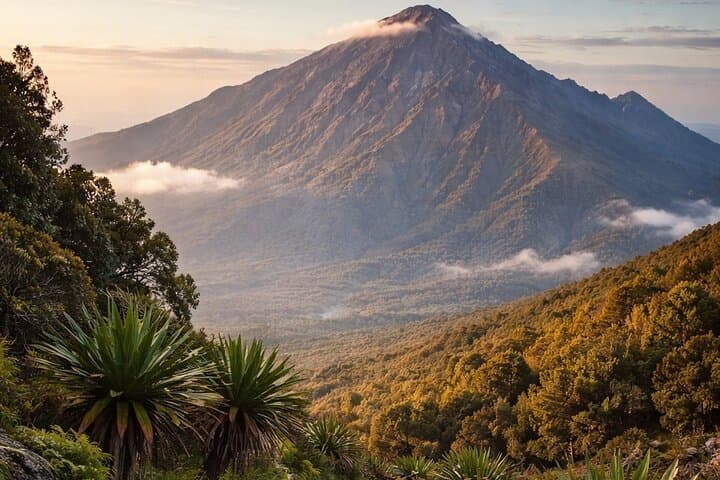
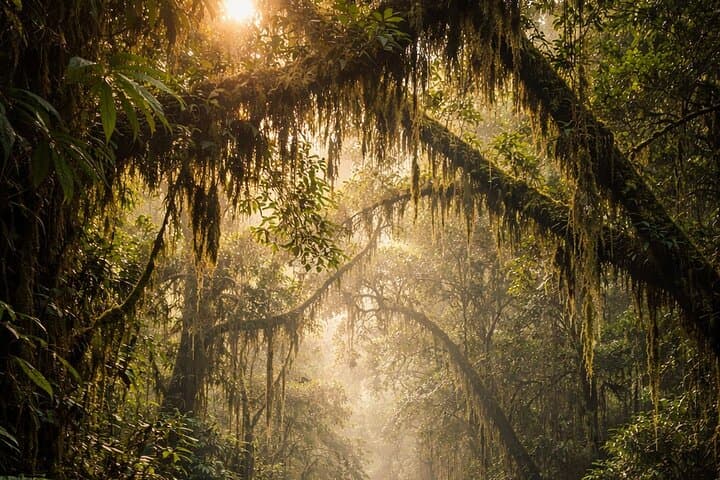
A damp pre-dawn air clings to the forest as headlamps stitch narrow beams through moss-draped trees. You move in a steady, quiet line—guides, porters, an armed ranger—upward through Arusha National Park, past grazing antelope and the occasional giraffe framed against volcanic ridgelines. By sunrise from Socialist Peak (4,562 m) the landscape opens: a cold, clear sweep toward Kilimanjaro and a patchwork of farmland below.
Verified experiences and guided adventures in the surrounding area.
Operated by Tarry Adventures and Safaris · Moshi, Arusha Region
A damp pre-dawn air clings to the forest as headlamps stitch narrow beams through moss-draped trees. You move in a steady, quiet line—guides, porters, an armed ranger—upward through Arusha National Park, past grazing antelope and the occasional giraffe framed against volcanic ridgelines. By sunrise from Socialist Peak (4,562 m) the landscape opens: a cold, clear sweep toward Kilimanjaro and a patchwork of farmland below.
Mount Meru’s slopes are volcanic—older calderas, ash bands and fertile soil that support montane forest and high moorland. The mountain has cultural ties to local Meru and Chagga communities who have long used lower slopes for grazing and ritual. The route passes habitat transitions that make wildlife encounters likely: forest-dwelling monkeys and open plains with buffalo and antelope.
This guided, multiday itinerary is deliberately paced for acclimatization, with overnight stays at Miriakamba Hut and Saddle Hut and an optional acclimatization walk to Little Meru (3,820 m). Expect ridgewalking, steep switchbacks, muddy trail sections in wet months and a long, cold summit push often starting around 2:00 AM. Meals come from a mountain chef; an armed ranger accompanies groups as required by park regulations.
Plan for layered clothing, a reliable headlamp, and slow, steady pacing on summit day; hydrate and monitor for altitude symptoms. Transfers run from Moshi or Arusha; permits and park fees are handled by the outfitter. For fit hikers seeking a less crowded high-altitude objective than Kilimanjaro, Meru delivers dramatic views, wildlife variety, and well-supported logistics.
challenging.
4–5 days.
Good cardiovascular fitness and experience with full-day hikes at altitude; ability to carry a small daypack and sustain 8–14 hour summit-day effort.
Summit day is long and strenuous—often 10–14 hours round trip—with steep, cold sections; good fitness and slow pacing are crucial.
Prior high-altitude trekking helps but isn’t mandatory; the itinerary includes acclimatization days to improve success and reduce altitude sickness risk.
Guided trips typically include park permits and the required armed ranger; confirm with the operator what’s covered during booking.
Overnights are in mountain huts (Miriakamba, Saddle Hut) with basic bunks; expect communal sleeping and simple facilities prepared by the crew.
Mount Meru sits within Arusha National Park, a protected area established in the 1960s that preserves unique volcanic landscapes and wildlife corridors near the town of Arusha.
Stay on marked trails, avoid feeding wildlife, and pack out waste—visitor behavior helps protect fragile montane ecosystems and the park’s water sources.
Tarry Adventures and Safaris operates guided outdoor trips and adventures with an emphasis on safety, stewardship, and memorable experiences.
A damp pre-dawn air clings to the forest as headlamps stitch narrow beams through moss-draped trees. You move in a steady, quiet line—guides, porters, an armed ranger—upward through Arusha National Park, past grazing antelope and the occasional giraffe framed against volcanic ridgelines. By sunrise from Socialist Peak (4,562 m) the landscape opens: a cold, clear sweep toward Kilimanjaro and a patchwork of farmland below.
A damp pre-dawn air clings to the forest as headlamps stitch narrow beams through moss-draped trees. You move in a steady, quiet line—guides, porters, an armed ranger—upward through Arusha National Park, past grazing antelope and the occasional giraffe framed against volcanic ridgelines. By sunrise from Socialist Peak (4,562 m) the landscape opens: a cold, clear sweep toward Kilimanjaro and a patchwork of farmland below.
Mount Meru’s slopes are volcanic—older calderas, ash bands and fertile soil that support montane forest and high moorland. The mountain has cultural ties to local Meru and Chagga communities who have long used lower slopes for grazing and ritual. The route passes habitat transitions that make wildlife encounters likely: forest-dwelling monkeys and open plains with buffalo and antelope.
This guided, multiday itinerary is deliberately paced for acclimatization, with overnight stays at Miriakamba Hut and Saddle Hut and an optional acclimatization walk to Little Meru (3,820 m). Expect ridgewalking, steep switchbacks, muddy trail sections in wet months and a long, cold summit push often starting around 2:00 AM. Meals come from a mountain chef; an armed ranger accompanies groups as required by park regulations.
Plan for layered clothing, a reliable headlamp, and slow, steady pacing on summit day; hydrate and monitor for altitude symptoms. Transfers run from Moshi or Arusha; permits and park fees are handled by the outfitter. For fit hikers seeking a less crowded high-altitude objective than Kilimanjaro, Meru delivers dramatic views, wildlife variety, and well-supported logistics.