THE ADVENTURE COLLECTIVE® · Independent discovery and booking for outdoor travel

A four-day climb that delivers a pre-dawn summit and sweeping views over Kilimanjaro and the Arusha plains. Ideal for hikers who want serious altitude exposure without a week-long expedition.
A four-day climb that delivers a pre-dawn summit and sweeping views over Kilimanjaro and the Arusha plains. Ideal for hikers who want serious altitude exposure without a week-long expedition.
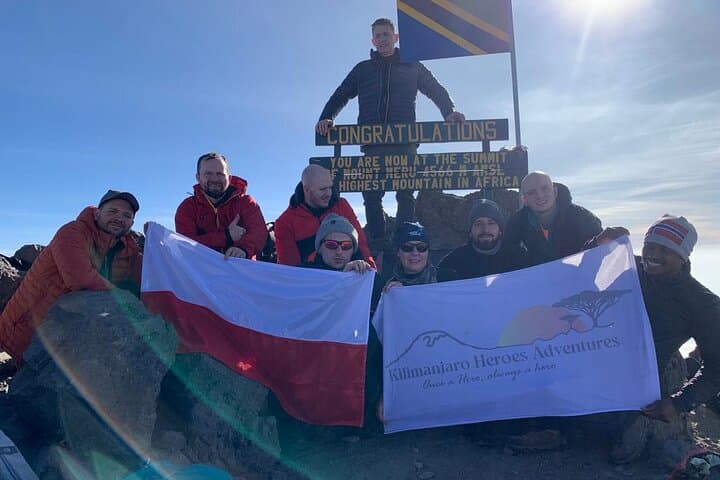
The night is a black bowl when the team wakes you at 1:30 a.m. A steam of breath fogs in the headlamp beam as you step out of the Saddle Hut and begin the climb. The path, carved into volcanic rock, angles steeply underfoot; the sky above is pure and enormous. By the time you reach the north ridge, the horizon is taking on color and Kilimanjaro’s silhouette edges into gold. That first sunburst—watching plains, crater rims and the town of Arusha unfold beneath your feet—turns the physical ache of the ascent into a quiet, emphatic joy.
Verified experiences and guided adventures in the surrounding area.
Operated by Kilimanjaro Heroes Adventures · Arusha, Arusha Region
The night is a black bowl when the team wakes you at 1:30 a.m. A steam of breath fogs in the headlamp beam as you step out of the Saddle Hut and begin the climb. The path, carved into volcanic rock, angles steeply underfoot; the sky above is pure and enormous. By the time you reach the north ridge, the horizon is taking on color and Kilimanjaro’s silhouette edges into gold. That first sunburst—watching plains, crater rims and the town of Arusha unfold beneath your feet—turns the physical ache of the ascent into a quiet, emphatic joy.
Mount Meru is a dormant volcano in Arusha National Park, rising to 4,566 m (14,979 ft) and often overlooked by those aiming for Kilimanjaro. Geologically it’s younger and steeper than its taller neighbor; the climb follows the inner crater rim and exposes switchbacks of scree, wooden steps in mossy rainforest, and high-altitude heather country. The slopes host everything from broadleaf montane forest to alpine shrubs and a crater that funnels water into the Jekukumia River.
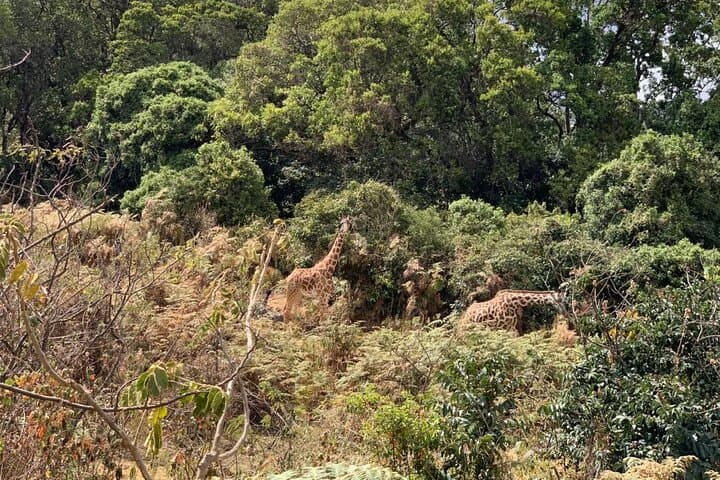
This mountain lives at the intersection of natural history and human culture. Maasai and Meru communities have long regarded the ranges around Arusha as important grazing and spiritual land; today the park protects not only flora but also roaming herds—buffalo, giraffes at lower elevations and baboons threading the trees. Because the trek crosses active wildlife zones, an armed park ranger accompanies groups—part of the rhythm of trekking here.
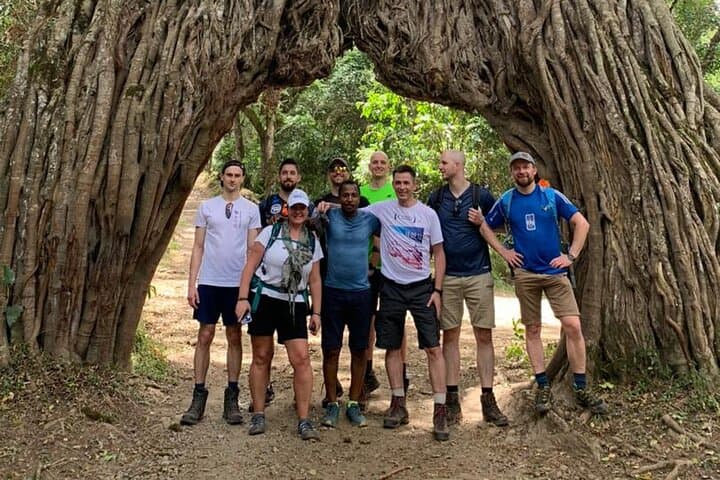
The four-day itinerary moves deliberately: a gentle first day from Momella Gate (1,500 m) to Miriakamba Hut (2,514 m), a forest-to-heath transition to the Saddle Hut (3,560 m) on day two with an optional detour to Little Meru, a predawn summit push to Socialist Peak (4,566 m) on day three, then a long descent and return on day four. Huts are basic but solid—meals are hearty, and the mountain team carries the logistics so you can concentrate on the trail.
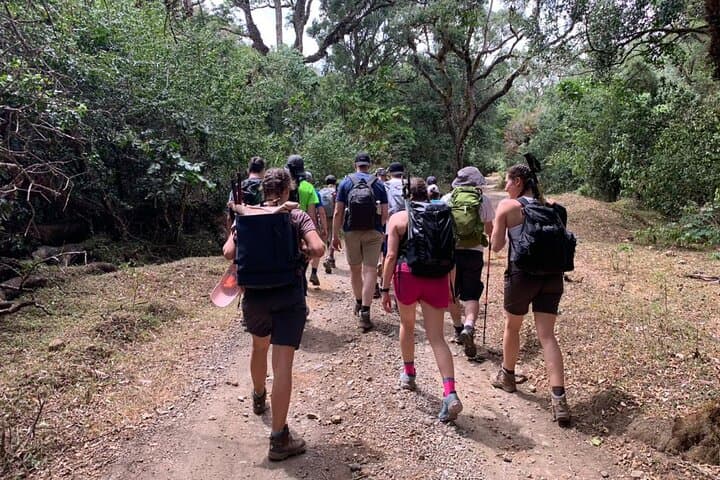
Practical edge: altitude is the real variable. The profile gives time for acclimatization, but expect steep sections, short scrambling near Rhino Point, and loose scree on the ridge. Start summit pushes very early, carry layers for a rapid temperature swing from forest-warm to summit-freeze, and keep a conservative pace to reduce altitude sickness risk. Hydrate, use trekking poles, and test boots before arriving—narrow, wet forest trails demand sure feet. The park ranger and guides are experienced in route-finding and safety; follow their lead for wildlife encounters.
If you want a compact high-altitude experience that pairs a technical sunrise summit with wildlife and a safari-ready exit back to Arusha, this four-day Meru trek delivers—intensive, immediate, and unmistakably African.
challenging.
4 days.
Good cardiovascular fitness with experience on long day-hikes or multi-day treks; ability to carry a 10–12 kg daypack and sustain steep ascents.
The route is strenuous due to elevation gain and long summit day; a regular hiker in good cardio shape can complete it, but expect sustained steep sections and a long summit push.
Not strictly required, but prior multi-day hiking or experience above 3,000 m helps with pacing and managing altitude symptoms.
Park admission is typically included by the operator—confirm at booking. Arusha National Park requires registered guides and ranger accompaniment.
Overnights are in basic mountain huts (Miriakamba and Saddle) with communal bedding; bring a light sleeping liner for hygiene and warmth.
June–September and December–February offer the most stable weather; avoid the long rainy season (March–May) if you want drier trails.
Yes—Arusha is a common gateway to northern safari circuits; many operators combine Meru with Serengeti/Ngorongoro itineraries.
Mount Meru is a dormant volcano that last erupted around 1910; its crater and varied slopes have shaped local ecology and guided traditional land use.
Arusha National Park manages trekking to minimize impacts—stick to trails, avoid feeding wildlife, and carry out all non-biodegradable waste.
Kilimanjaro Heroes Adventures operates guided outdoor trips and adventures with an emphasis on safety, stewardship, and memorable experiences.
The night is a black bowl when the team wakes you at 1:30 a.m. A steam of breath fogs in the headlamp beam as you step out of the Saddle Hut and begin the climb. The path, carved into volcanic rock, angles steeply underfoot; the sky above is pure and enormous. By the time you reach the north ridge, the horizon is taking on color and Kilimanjaro’s silhouette edges into gold. That first sunburst—watching plains, crater rims and the town of Arusha unfold beneath your feet—turns the physical ache of the ascent into a quiet, emphatic joy.
The night is a black bowl when the team wakes you at 1:30 a.m. A steam of breath fogs in the headlamp beam as you step out of the Saddle Hut and begin the climb. The path, carved into volcanic rock, angles steeply underfoot; the sky above is pure and enormous. By the time you reach the north ridge, the horizon is taking on color and Kilimanjaro’s silhouette edges into gold. That first sunburst—watching plains, crater rims and the town of Arusha unfold beneath your feet—turns the physical ache of the ascent into a quiet, emphatic joy.
Mount Meru is a dormant volcano in Arusha National Park, rising to 4,566 m (14,979 ft) and often overlooked by those aiming for Kilimanjaro. Geologically it’s younger and steeper than its taller neighbor; the climb follows the inner crater rim and exposes switchbacks of scree, wooden steps in mossy rainforest, and high-altitude heather country. The slopes host everything from broadleaf montane forest to alpine shrubs and a crater that funnels water into the Jekukumia River.
This mountain lives at the intersection of natural history and human culture. Maasai and Meru communities have long regarded the ranges around Arusha as important grazing and spiritual land; today the park protects not only flora but also roaming herds—buffalo, giraffes at lower elevations and baboons threading the trees. Because the trek crosses active wildlife zones, an armed park ranger accompanies groups—part of the rhythm of trekking here.
The four-day itinerary moves deliberately: a gentle first day from Momella Gate (1,500 m) to Miriakamba Hut (2,514 m), a forest-to-heath transition to the Saddle Hut (3,560 m) on day two with an optional detour to Little Meru, a predawn summit push to Socialist Peak (4,566 m) on day three, then a long descent and return on day four. Huts are basic but solid—meals are hearty, and the mountain team carries the logistics so you can concentrate on the trail.
Practical edge: altitude is the real variable. The profile gives time for acclimatization, but expect steep sections, short scrambling near Rhino Point, and loose scree on the ridge. Start summit pushes very early, carry layers for a rapid temperature swing from forest-warm to summit-freeze, and keep a conservative pace to reduce altitude sickness risk. Hydrate, use trekking poles, and test boots before arriving—narrow, wet forest trails demand sure feet. The park ranger and guides are experienced in route-finding and safety; follow their lead for wildlife encounters.
If you want a compact high-altitude experience that pairs a technical sunrise summit with wildlife and a safari-ready exit back to Arusha, this four-day Meru trek delivers—intensive, immediate, and unmistakably African.