THE ADVENTURE COLLECTIVE® · Independent discovery and booking for outdoor travel

A gentle day trek on Mount Merapi’s lower slopes that pairs forest walks and botanic gardens with intimate village visits. Ideal for nature lovers who want cultural context without technical scrambling.
A gentle day trek on Mount Merapi’s lower slopes that pairs forest walks and botanic gardens with intimate village visits. Ideal for nature lovers who want cultural context without technical scrambling.
You step off an air-conditioned minivan and the air smells green—damp earth, crushed leaf, the faint smoke of offerings from a nearby village. The slopes of Mount Merapi rise ahead: steep, sculpted by recent eruptions but threaded with gardens and lanes where villagers tend medicinal plants and coffee trees.
Verified experiences and guided adventures in the surrounding area.
Operated by YKExplore · Yogyakarta, Special Region of Yogyakarta
You step off an air-conditioned minivan and the air smells green—damp earth, crushed leaf, the faint smoke of offerings from a nearby village. The slopes of Mount Merapi rise ahead: steep, sculpted by recent eruptions but threaded with gardens and lanes where villagers tend medicinal plants and coffee trees.
Geology here is immediate. Merapi is one of Indonesia’s most active volcanoes, its cycles of lava and ash shaping soil that feeds extraordinarily lush flora. The tour threads easy forest trails and cultivated botanic plots, where a guide points out native species and explains how periodic eruptions have forced communities to adapt their farming and architecture.
Culture is part of the route: you’ll pause at homes where villagers share stories, welcome you with local coffee, and demonstrate plant uses passed down generation to generation. The hike itself is soft—short climbs, compacted volcanic soil, and farm tracks that provide frequent stopping points and wide views down toward Yogyakarta.
Practical side: expect roughly two hours of walking within a six-hour program that includes round-trip driving from the city. Wear grippy shoes for loose ash and narrow lanes, bring at least 1.5–2 L of water, and prepare for sun or sudden tropical showers depending on season. Photography is rewarding—look for close-ups of endemic plants, rooflines patched with volcanic stone, and panoramic shots of Merapi’s flanks. Respect private yards, follow your guide’s route, and plan your visit during the dry season for firmer trails and clearer vistas.
moderate.
5–6 hours (includes driving).
Suitable for people with a basic level of fitness who can handle uneven ground and short climbs.
About two hours of walking spread along the lower slopes and village tracks; the full program runs roughly six hours including transport.
Yes for most children and active older adults, but not recommended for those with spinal problems or limited mobility due to uneven surfaces.
Local guides commonly speak Indonesian and basic English; check with the operator if you require fluent English or another language.
Snacks and light refreshments are included, but a full meal is not—plan accordingly or ask about upgrade options.
Mount Merapi has been both life-giving and destructive; frequent eruptions over centuries created fertile soils and a strong local culture of ritual and resilience tied to the mountain.
Stay on designated paths to reduce erosion and disturbance; supporting local guides and small village purchases helps sustain communities adapting to volcanic change.
YKExplore operates guided outdoor trips and adventures with an emphasis on safety, stewardship, and memorable experiences.
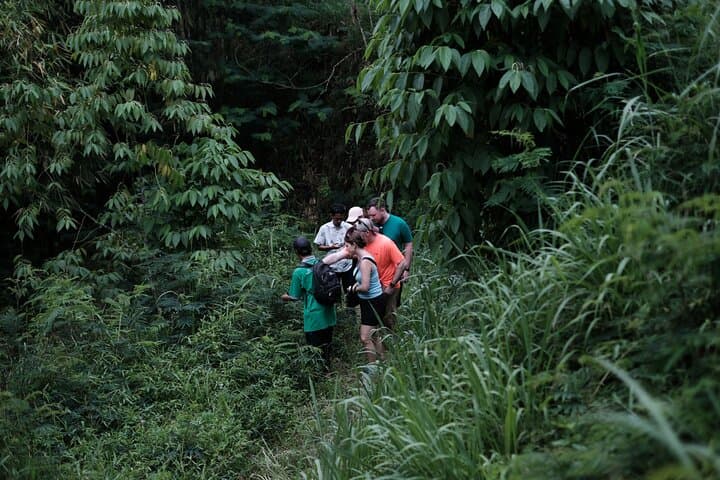


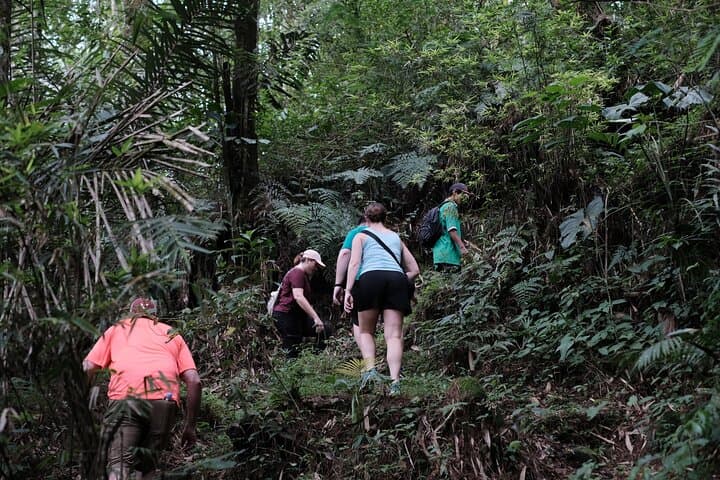
You step off an air-conditioned minivan and the air smells green—damp earth, crushed leaf, the faint smoke of offerings from a nearby village. The slopes of Mount Merapi rise ahead: steep, sculpted by recent eruptions but threaded with gardens and lanes where villagers tend medicinal plants and coffee trees.
You step off an air-conditioned minivan and the air smells green—damp earth, crushed leaf, the faint smoke of offerings from a nearby village. The slopes of Mount Merapi rise ahead: steep, sculpted by recent eruptions but threaded with gardens and lanes where villagers tend medicinal plants and coffee trees.
Geology here is immediate. Merapi is one of Indonesia’s most active volcanoes, its cycles of lava and ash shaping soil that feeds extraordinarily lush flora. The tour threads easy forest trails and cultivated botanic plots, where a guide points out native species and explains how periodic eruptions have forced communities to adapt their farming and architecture.
Culture is part of the route: you’ll pause at homes where villagers share stories, welcome you with local coffee, and demonstrate plant uses passed down generation to generation. The hike itself is soft—short climbs, compacted volcanic soil, and farm tracks that provide frequent stopping points and wide views down toward Yogyakarta.
Practical side: expect roughly two hours of walking within a six-hour program that includes round-trip driving from the city. Wear grippy shoes for loose ash and narrow lanes, bring at least 1.5–2 L of water, and prepare for sun or sudden tropical showers depending on season. Photography is rewarding—look for close-ups of endemic plants, rooflines patched with volcanic stone, and panoramic shots of Merapi’s flanks. Respect private yards, follow your guide’s route, and plan your visit during the dry season for firmer trails and clearer vistas.