THE ADVENTURE COLLECTIVE® · Independent discovery and booking for outdoor travel

A three-hour guided walk up Mount Lycabettus delivers one of Athens’ clearest panoramas and a stroll through historic neighborhoods like Kolonaki and Dexameni. This tour combines a manageable climb with local lore, rooftop views, and city-side culture.
A three-hour guided walk up Mount Lycabettus delivers one of Athens’ clearest panoramas and a stroll through historic neighborhoods like Kolonaki and Dexameni. This tour combines a manageable climb with local lore, rooftop views, and city-side culture.
You step out of the narrow streets of Kolonaki and the city noise thins as the path angles upward toward a green, rocky spine above Athens. Cypress and pine shoulder the route; the city unfolds below in a patchwork of tile roofs and ochre façades. On a clear morning the Aegean glints beyond the Acropolis, and the small white chapel of Agios Georgios crowns the peak like a marker for the view.
Verified experiences and guided adventures in the surrounding area.
Operated by Urban Athens Collective · Athens, Attica
You step out of the narrow streets of Kolonaki and the city noise thins as the path angles upward toward a green, rocky spine above Athens. Cypress and pine shoulder the route; the city unfolds below in a patchwork of tile roofs and ochre façades. On a clear morning the Aegean glints beyond the Acropolis, and the small white chapel of Agios Georgios crowns the peak like a marker for the view.
Lycabettus has been a vantage and a storybook for Athenians for centuries. Its name links to lykos (wolf) and local lore ties the hill to mythic acts of the gods; archaeologists note its strategic use as an observation point. Geologically it’s a limestone outcrop that resists the softer urban geology around it, producing steep but stable trails and rocky viewpoints. Culturally the climb threads through Kolonaki and Dexameni square—districts that grew into artists’ enclaves in the early 20th century—and ends near Monastiraki’s lively market.
Practical guidance: expect uneven stone steps and short steep pitches rather than long alpine grade; the full experience takes about three hours including neighborhood stops. Start early to avoid heat and crowds, bring sun protection and water, and wear shoes with good grip. Public transport brings you close; the walk itself is accessible to most fitness levels but not recommended for those with serious mobility limitations due to irregular surfaces. Respect marked paths, carry out litter, and pause at the summit café or chapel to take in the panorama before dropping back into the city’s human energy.
easy.
3 hours.
Suitable for most people who can manage short uphill walks; expect brief steep sections but no technical climbing.
The route is a steady uphill with short, fairly steep sections and stone steps—no technical scrambling required, but some fitness is helpful.
Yes—Kolonaki and surrounding areas are well served by buses and the metro; your guide will provide the closest stop for the meeting point.
Many children and older adults can manage the walk if they are steady on their feet, but those with mobility issues should note the uneven surfaces and steps which make wheelchairs impractical.
There is no general entrance fee to the hill itself; optional summit facilities like the café have their own prices.
The hill’s name recalls lykos (wolf) and local legend links Lycabettus to ancient lore; historically it served as a natural lookout over Athens.
Stick to marked paths to reduce erosion on limestone slopes; avoid littering and support local businesses rather than leaving trace on natural features.
Urban Athens Collective operates guided outdoor trips and adventures with an emphasis on safety, stewardship, and memorable experiences.
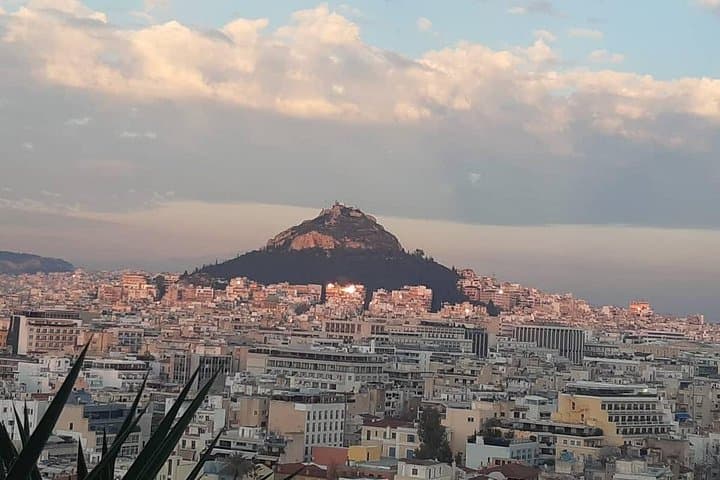
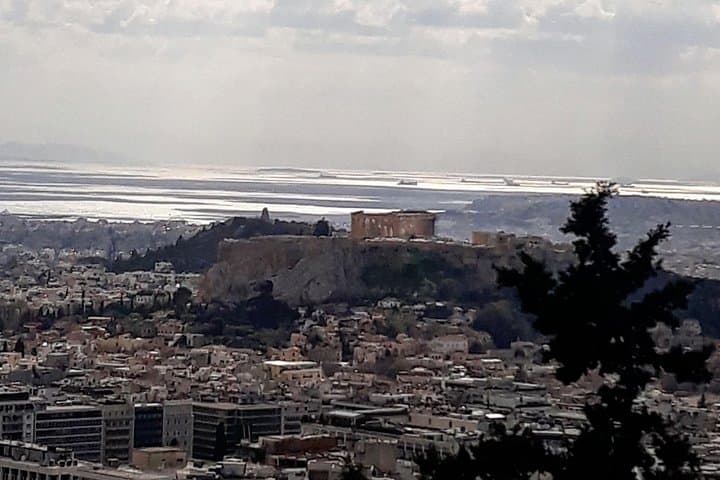
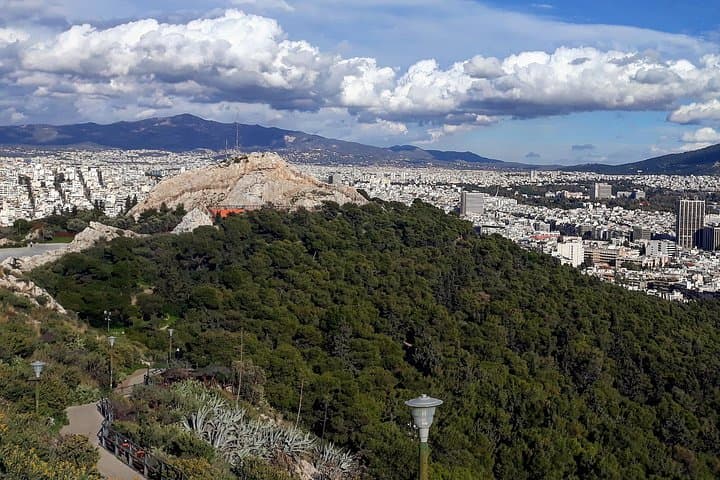
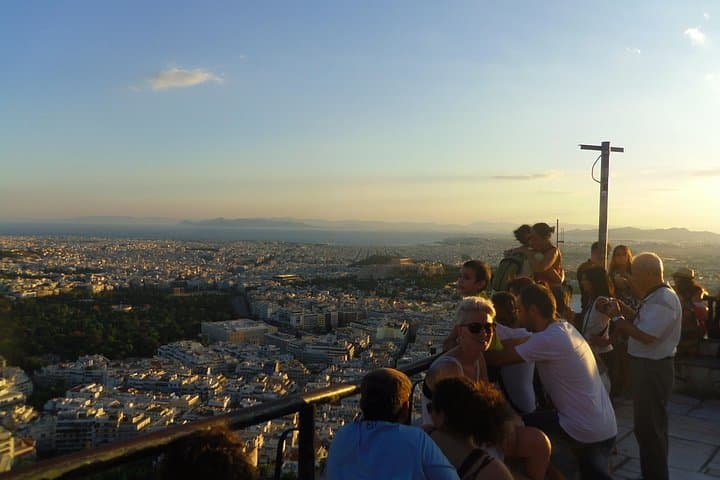
You step out of the narrow streets of Kolonaki and the city noise thins as the path angles upward toward a green, rocky spine above Athens. Cypress and pine shoulder the route; the city unfolds below in a patchwork of tile roofs and ochre façades. On a clear morning the Aegean glints beyond the Acropolis, and the small white chapel of Agios Georgios crowns the peak like a marker for the view.
You step out of the narrow streets of Kolonaki and the city noise thins as the path angles upward toward a green, rocky spine above Athens. Cypress and pine shoulder the route; the city unfolds below in a patchwork of tile roofs and ochre façades. On a clear morning the Aegean glints beyond the Acropolis, and the small white chapel of Agios Georgios crowns the peak like a marker for the view.
Lycabettus has been a vantage and a storybook for Athenians for centuries. Its name links to lykos (wolf) and local lore ties the hill to mythic acts of the gods; archaeologists note its strategic use as an observation point. Geologically it’s a limestone outcrop that resists the softer urban geology around it, producing steep but stable trails and rocky viewpoints. Culturally the climb threads through Kolonaki and Dexameni square—districts that grew into artists’ enclaves in the early 20th century—and ends near Monastiraki’s lively market.
Practical guidance: expect uneven stone steps and short steep pitches rather than long alpine grade; the full experience takes about three hours including neighborhood stops. Start early to avoid heat and crowds, bring sun protection and water, and wear shoes with good grip. Public transport brings you close; the walk itself is accessible to most fitness levels but not recommended for those with serious mobility limitations due to irregular surfaces. Respect marked paths, carry out litter, and pause at the summit café or chapel to take in the panorama before dropping back into the city’s human energy.