THE ADVENTURE COLLECTIVE® · Independent discovery and booking for outdoor travel

A sharp climb onto volcanic ridges gives way to a green, forested crater and sweeping Rift Valley views. This day hike around Mount Longonot’s rim blends geological drama, wildlife spotting and a solid half-day workout—ideal for fit day-trippers based in Naivasha or Nairobi.
A sharp climb onto volcanic ridges gives way to a green, forested crater and sweeping Rift Valley views. This day hike around Mount Longonot’s rim blends geological drama, wildlife spotting and a solid half-day workout—ideal for fit day-trippers based in Naivasha or Nairobi.
You step out of the vehicle to a high, dry wind that pushes at your hat and the volcano’s bare ridges loom ahead—black lava ribs carved by time, a green bowl hidden at their heart. The trail climbs quickly, first through scrub and yellow grass, then steeper switchbacks that force a steady breath. At the rim the world opens: a forested crater dips below while the Rift Valley stretches toward distant lakes and farming plains.
Verified experiences and guided adventures in the surrounding area.
Operated by Michoore Tours & Travel · Naivasha, Rift Valley
You step out of the vehicle to a high, dry wind that pushes at your hat and the volcano’s bare ridges loom ahead—black lava ribs carved by time, a green bowl hidden at their heart. The trail climbs quickly, first through scrub and yellow grass, then steeper switchbacks that force a steady breath. At the rim the world opens: a forested crater dips below while the Rift Valley stretches toward distant lakes and farming plains.
Longonot is a stratovolcano in Kenya’s Great Rift Valley; its last recorded activity was in the 1860s but heat and geothermal structures lie beneath, making the terrain unusually alive. The dense crater forest provides habitat for giraffe, zebra and antelope on the lower slopes, while raptors patrol the thermals above—the kind of place where geology and wildlife meet agriculture and local Maasai history on the valley floor.
Practically, the standard route gains about 700–900 meters over roughly 4–5 km to the rim, with an additional 7.2 km if you circumnavigate the crater. Expect rocky, exposed sections and loose scree; morning starts cut wind and heat. Guides and a walking stick make ascents safer and allow time to spot Verreaux’s eagles and endemic flora.
Bring layered clothing, sun protection and at least 2–3 liters of water for a half- to full-day outing. Start early to avoid midday sun and to catch the best light for views of Lake Naivasha and the Rift escarpment. Respect park rules, keep to trails and carry out any waste—Longonot’s crater rewards those who arrive prepared and leave quietly.
moderate.
3–5 hours.
Moderate fitness: comfortable with sustained uphill walking and uneven ground; good cardiovascular baseline helps
Plan on 3–5 hours total: 45–120 minutes to reach the rim depending on pace, plus about 2–3 hours to circle and return.
Guides aren’t legally mandatory but are recommended for safety, route knowledge and wildlife spotting; many tours include a guide and transport from Nairobi.
Early morning is best for cooler temperatures, reduced wind and clearer views; start before 8 AM when possible.
Facilities are minimal—basic park entrance and sometimes toilets; bring food, water and cash for park fees if not prepaid.
Mount Longonot sits on a Rift Valley volcanic complex; indigenous communities and colonial-era settlers have long used the valley plains for grazing and agriculture.
The park protects crater forest and wildlife corridors; visitors should stick to trails and avoid introducing non-native plants or leaving litter to preserve fragile soils and habitats.
Michoore Tours & Travel operates guided outdoor trips and adventures with an emphasis on safety, stewardship, and memorable experiences.
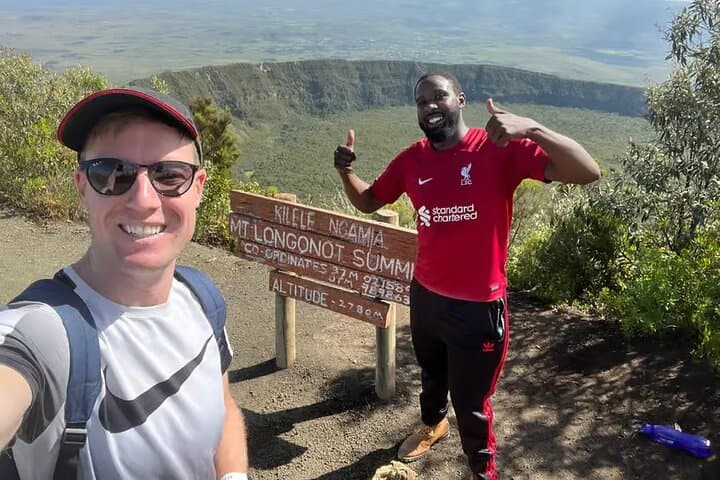
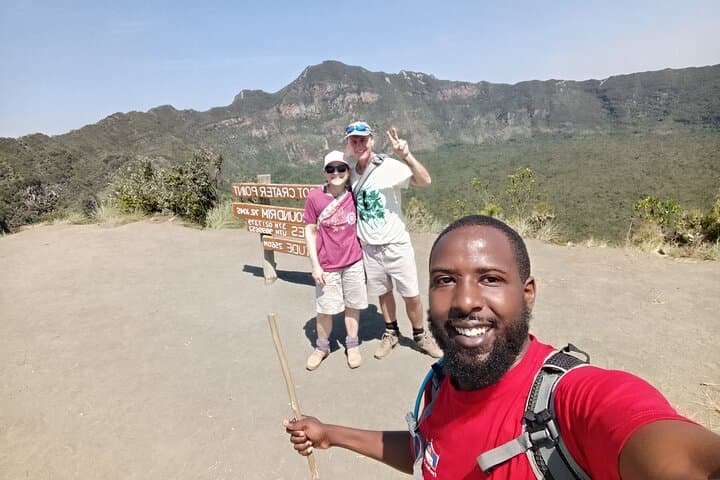
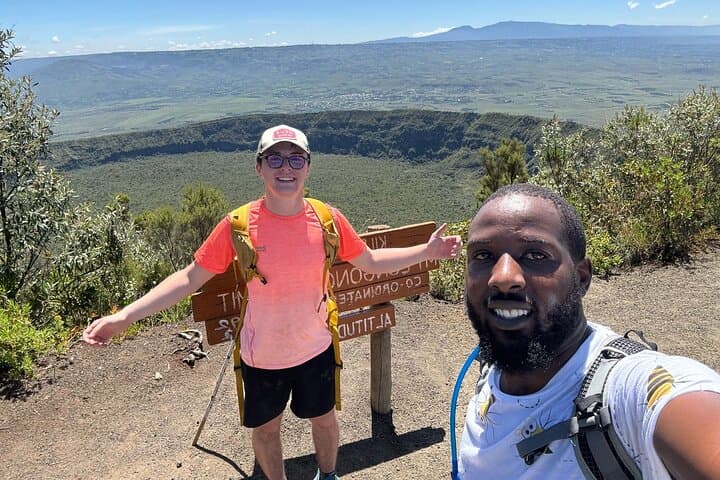
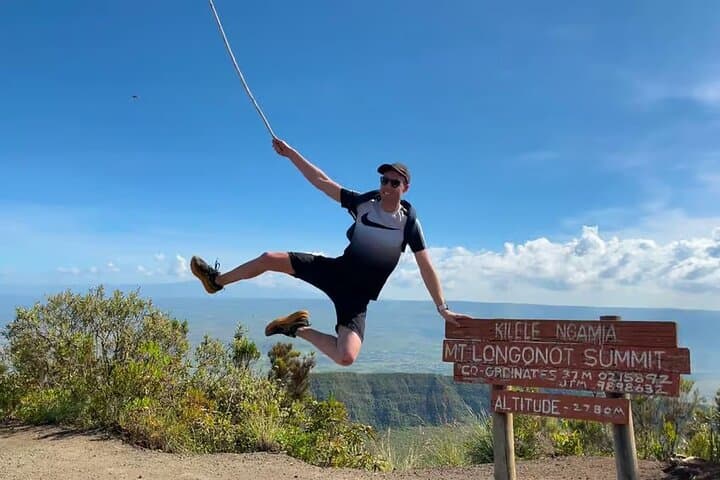
You step out of the vehicle to a high, dry wind that pushes at your hat and the volcano’s bare ridges loom ahead—black lava ribs carved by time, a green bowl hidden at their heart. The trail climbs quickly, first through scrub and yellow grass, then steeper switchbacks that force a steady breath. At the rim the world opens: a forested crater dips below while the Rift Valley stretches toward distant lakes and farming plains.
You step out of the vehicle to a high, dry wind that pushes at your hat and the volcano’s bare ridges loom ahead—black lava ribs carved by time, a green bowl hidden at their heart. The trail climbs quickly, first through scrub and yellow grass, then steeper switchbacks that force a steady breath. At the rim the world opens: a forested crater dips below while the Rift Valley stretches toward distant lakes and farming plains.
Longonot is a stratovolcano in Kenya’s Great Rift Valley; its last recorded activity was in the 1860s but heat and geothermal structures lie beneath, making the terrain unusually alive. The dense crater forest provides habitat for giraffe, zebra and antelope on the lower slopes, while raptors patrol the thermals above—the kind of place where geology and wildlife meet agriculture and local Maasai history on the valley floor.
Practically, the standard route gains about 700–900 meters over roughly 4–5 km to the rim, with an additional 7.2 km if you circumnavigate the crater. Expect rocky, exposed sections and loose scree; morning starts cut wind and heat. Guides and a walking stick make ascents safer and allow time to spot Verreaux’s eagles and endemic flora.
Bring layered clothing, sun protection and at least 2–3 liters of water for a half- to full-day outing. Start early to avoid midday sun and to catch the best light for views of Lake Naivasha and the Rift escarpment. Respect park rules, keep to trails and carry out any waste—Longonot’s crater rewards those who arrive prepared and leave quietly.