THE ADVENTURE COLLECTIVE® · Independent discovery and booking for outdoor travel

Scale Mount Longonot’s volcanic rim on a full-day hike from Nairobi. This 8–9 km round-trip packs steep climbs, crater-edge views and wildlife sightings into a single, achievable alpine day.
Scale Mount Longonot’s volcanic rim on a full-day hike from Nairobi. This 8–9 km round-trip packs steep climbs, crater-edge views and wildlife sightings into a single, achievable alpine day.
A pale dawn lifts off the Nairobi skyline and the bus hums toward the Rift: by 7 a.m. the trailhead at Mount Longonot National Park is already warming under a low sun. The path climbs quickly — volcanic scree giving way to firmer volcanic ash and a narrow ridgeline — and the crater ahead looms like a dry ocean you’re about to walk around.
Verified experiences and guided adventures in the surrounding area.
Operated by Sabilom Kenya Tours & Safaris · Naivasha, Nakuru County
A pale dawn lifts off the Nairobi skyline and the bus hums toward the Rift: by 7 a.m. the trailhead at Mount Longonot National Park is already warming under a low sun. The path climbs quickly — volcanic scree giving way to firmer volcanic ash and a narrow ridgeline — and the crater ahead looms like a dry ocean you’re about to walk around.
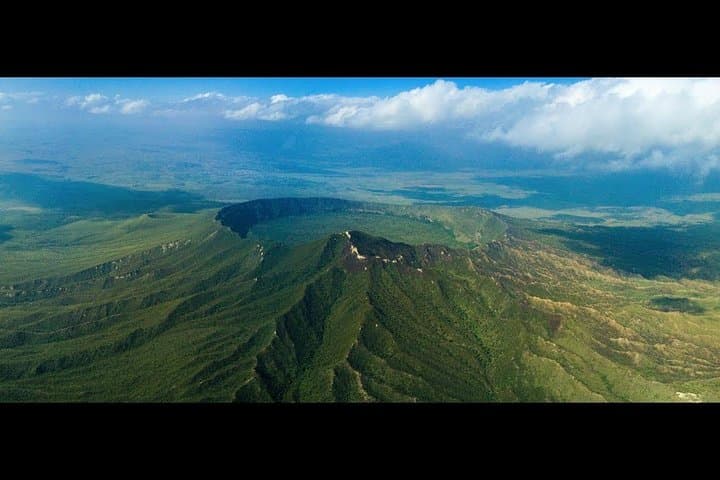
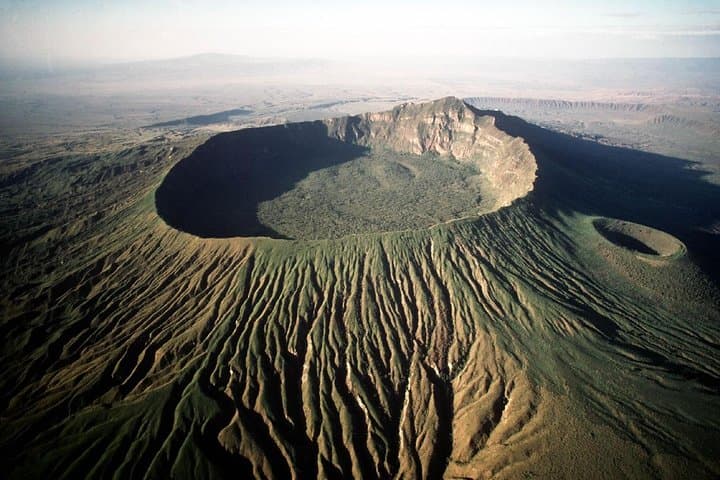
Longonot is a stratovolcano born of Rift Valley rifting; its sheer crater rim and scoured inner bowl record repeated eruptions and the slow pulling apart of East Africa. The mountain sits above Lake Naivasha and the surrounding grasslands where Maasai grazing patterns and colonial-era farms meet volcanic soil. Guides know the best viewpoints on the rim and can point out zebra and antelope grazing below and troops of baboons that inspect your backpack with intent.
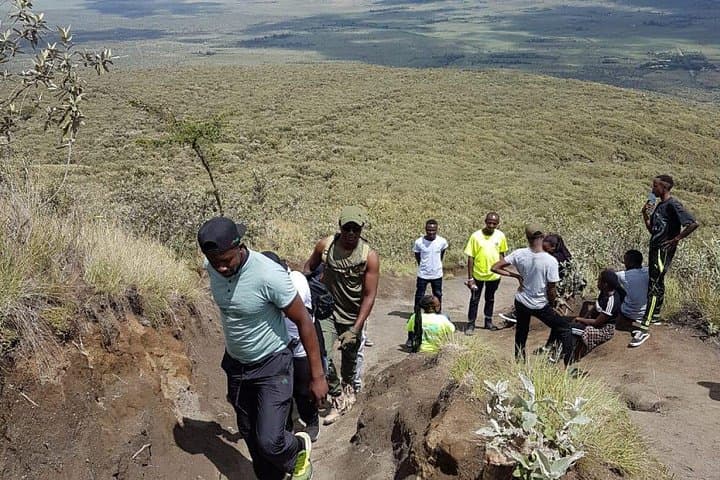
Expect an 8–9 km round-trip with roughly 900–1,000 m (3,000–3,300 ft) of ascent if you start near the park gate (about 6,000 ft). The summit reaches ~2,776 m (9,108 ft), offering sweeping views over the Rift and, on clear days, across to Lake Naivasha where hippos surface like punctuation marks. Terrain alternates steep switchbacks, loose volcanic rock, and packed ridgelines; there are short rest points between sections and a staffed gate for entrance fees and ranger presence.
Practical: start early to avoid midday sun, bring 2–3 liters of water, sturdy shoes with good traction, and layered clothing for wind on the rim. The route is steep but well-traveled; a guide is typical and useful for wildlife etiquette and pace. After the summit return, many tours include a lakeside stop at Naivasha for lunch or a boat ride to see birds and hippos.
moderate.
4–6 hours (hike only); full tour 8 hours.
Suitable for people with average fitness who can handle sustained steep climbs and short breaks; regular walkers will be comfortable.
The active hike is 4–6 hours round-trip for most groups (about 8–9 km) with steep sections; the full tour including transfers and stops runs to about 8 hours.
Park entrance fees and a staffed gate are required; most operators include a professional guide who handles navigation and wildlife etiquette.
Yes — zebras, various antelope species and baboons are common near the slopes; sightings aren’t guaranteed but encounters are frequent, especially in early morning.
The trail is achievable for older children with experience walking on hills; very young children may find the steep sections difficult — guides can advise on suitability.
Mount Longonot formed from Rift Valley volcanism; its crater and steep rim are products of repeated eruptions tied to the East African rift system and have influenced local pastoral land use.
Stay on designated trails and carry out any litter; park fees support rangers and habitat protection, and human-wildlife conflicts are mitigated by staying a respectful distance from animals.
Sabilom Kenya Tours & Safaris operates guided outdoor trips and adventures with an emphasis on safety, stewardship, and memorable experiences.
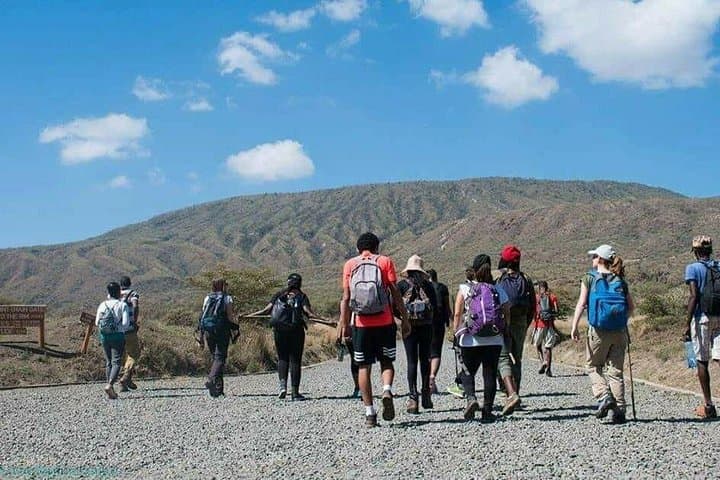
A pale dawn lifts off the Nairobi skyline and the bus hums toward the Rift: by 7 a.m. the trailhead at Mount Longonot National Park is already warming under a low sun. The path climbs quickly — volcanic scree giving way to firmer volcanic ash and a narrow ridgeline — and the crater ahead looms like a dry ocean you’re about to walk around.
A pale dawn lifts off the Nairobi skyline and the bus hums toward the Rift: by 7 a.m. the trailhead at Mount Longonot National Park is already warming under a low sun. The path climbs quickly — volcanic scree giving way to firmer volcanic ash and a narrow ridgeline — and the crater ahead looms like a dry ocean you’re about to walk around.
Longonot is a stratovolcano born of Rift Valley rifting; its sheer crater rim and scoured inner bowl record repeated eruptions and the slow pulling apart of East Africa. The mountain sits above Lake Naivasha and the surrounding grasslands where Maasai grazing patterns and colonial-era farms meet volcanic soil. Guides know the best viewpoints on the rim and can point out zebra and antelope grazing below and troops of baboons that inspect your backpack with intent.
Expect an 8–9 km round-trip with roughly 900–1,000 m (3,000–3,300 ft) of ascent if you start near the park gate (about 6,000 ft). The summit reaches ~2,776 m (9,108 ft), offering sweeping views over the Rift and, on clear days, across to Lake Naivasha where hippos surface like punctuation marks. Terrain alternates steep switchbacks, loose volcanic rock, and packed ridgelines; there are short rest points between sections and a staffed gate for entrance fees and ranger presence.
Practical: start early to avoid midday sun, bring 2–3 liters of water, sturdy shoes with good traction, and layered clothing for wind on the rim. The route is steep but well-traveled; a guide is typical and useful for wildlife etiquette and pace. After the summit return, many tours include a lakeside stop at Naivasha for lunch or a boat ride to see birds and hippos.