THE ADVENTURE COLLECTIVE® · Independent discovery and booking for outdoor travel

A full-day trek around Mount Longonot’s crater rim delivers dramatic Rift Valley views, volcanic geology, and chances to spot grazing wildlife. Practical for moderately fit hikers who start early and bring sun protection and water.
A full-day trek around Mount Longonot’s crater rim delivers dramatic Rift Valley views, volcanic geology, and chances to spot grazing wildlife. Practical for moderately fit hikers who start early and bring sun protection and water.
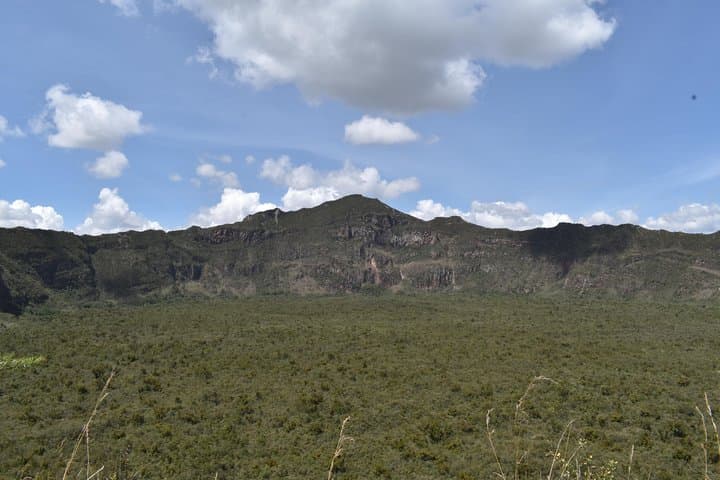
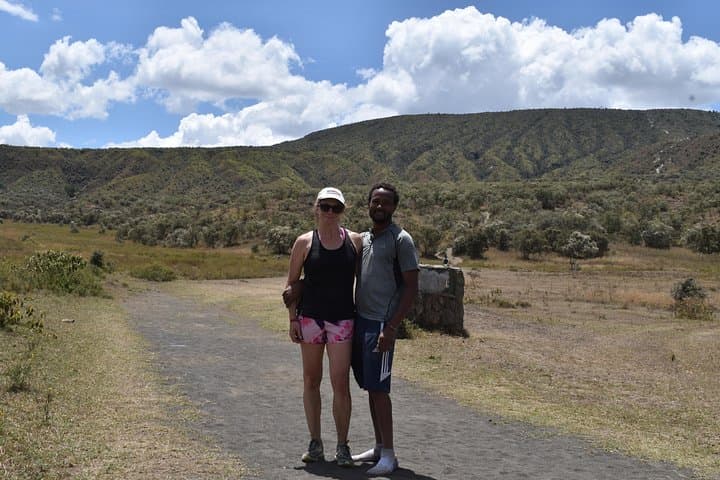
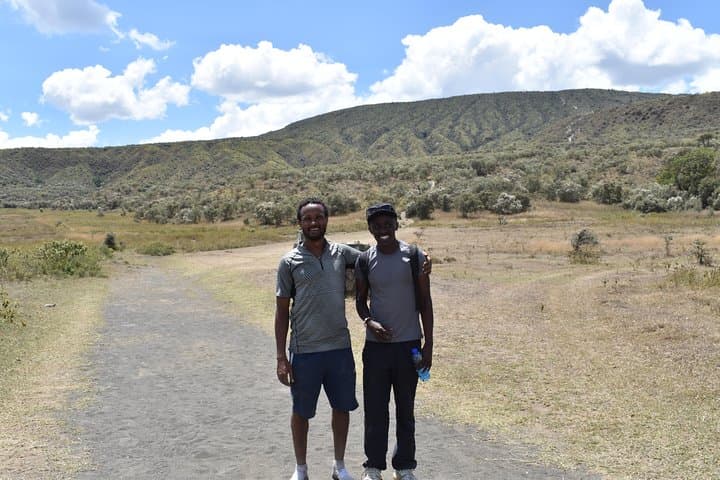
You step onto black volcanic scree as the Rift Valley opens beneath you; wind along the crater rim pushes and prods, demanding steady footing and a steady breath. Mount Longonot’s summit trail climbs through grass and scattered acacia, then rounds a bowl-like crater whose inner forest feels almost secretive compared with the broad valley views.
Verified experiences and guided adventures in the surrounding area.
Operated by Adventure 360 Africa · Naivasha, Nakuru County
You step onto black volcanic scree as the Rift Valley opens beneath you; wind along the crater rim pushes and prods, demanding steady footing and a steady breath. Mount Longonot’s summit trail climbs through grass and scattered acacia, then rounds a bowl-like crater whose inner forest feels almost secretive compared with the broad valley views.
Geology here is immediate: Longonot is an extinct stratovolcano whose collapsed summit forms a near-complete caldera. From the rim, the eye travels across rolling escarpments to Lake Naivasha and the far shoulder of the Rift. Historically the mountain has been a landmark for Maasai and Kalenjin communities and later a focal point for colonial-era ranching; today it’s managed for conservation and public access as part of the greater Naivasha landscape.
On trail you’ll pass pockets of indigenous shrubs, occasional rock bands, and a dense, shaded crater floor—habitat for buffalo, eland and gazelles if you’re lucky. Rangers and guides are common and recommended; wildlife sightings are possible but unpredictable.
Practical guide: the full excursion runs most of a day when combined with transport. Expect steep pitches, loose volcanic gravel, and full sun on exposed sections; layers are useful. Start early to avoid midday heat and to take advantage of clearer views. Carry 2–3 liters of water, sturdy boots, and a windproof layer. Respect closures and keep to established paths to protect fragile soils and wildlife.
For hikers who want panoramic Rift Valley vistas and a compact but rugged volcanic experience, Mount Longonot delivers a focused, walkable wilderness day with tangible geological and cultural context.
moderate.
5–8 hours (including transport from Naivasha/Nairobi).
Moderate fitness with ability to handle sustained uphill sections and uneven terrain
The rim walk itself typically takes 3–4 hours depending on pace; expect the full day including transport and breaks to run 5–8 hours.
A guide is strongly recommended for safety, route-finding and wildlife awareness; many operators include one in the day package.
Buffalo, gazelles and other ungulates are regularly reported; large predators are rare but the presence of wildlife means staying with your guide is important.
Terrain includes steep ascents, loose volcanic gravel and exposed ridgelines—suitable for moderately fit hikers comfortable with uneven ground.
Mount Longonot is an extinct stratovolcano whose collapsed summit forms a circular caldera; the mountain has long been a landmark for local communities and later a public conservation site.
Trail use is managed to reduce erosion and protect rare montane vegetation—stick to marked routes, pack out waste, and support local guides to minimize impact.
Adventure 360 Africa operates guided outdoor trips and adventures with an emphasis on safety, stewardship, and memorable experiences.
You step onto black volcanic scree as the Rift Valley opens beneath you; wind along the crater rim pushes and prods, demanding steady footing and a steady breath. Mount Longonot’s summit trail climbs through grass and scattered acacia, then rounds a bowl-like crater whose inner forest feels almost secretive compared with the broad valley views.
You step onto black volcanic scree as the Rift Valley opens beneath you; wind along the crater rim pushes and prods, demanding steady footing and a steady breath. Mount Longonot’s summit trail climbs through grass and scattered acacia, then rounds a bowl-like crater whose inner forest feels almost secretive compared with the broad valley views.
Geology here is immediate: Longonot is an extinct stratovolcano whose collapsed summit forms a near-complete caldera. From the rim, the eye travels across rolling escarpments to Lake Naivasha and the far shoulder of the Rift. Historically the mountain has been a landmark for Maasai and Kalenjin communities and later a focal point for colonial-era ranching; today it’s managed for conservation and public access as part of the greater Naivasha landscape.
On trail you’ll pass pockets of indigenous shrubs, occasional rock bands, and a dense, shaded crater floor—habitat for buffalo, eland and gazelles if you’re lucky. Rangers and guides are common and recommended; wildlife sightings are possible but unpredictable.
Practical guide: the full excursion runs most of a day when combined with transport. Expect steep pitches, loose volcanic gravel, and full sun on exposed sections; layers are useful. Start early to avoid midday heat and to take advantage of clearer views. Carry 2–3 liters of water, sturdy boots, and a windproof layer. Respect closures and keep to established paths to protect fragile soils and wildlife.
For hikers who want panoramic Rift Valley vistas and a compact but rugged volcanic experience, Mount Longonot delivers a focused, walkable wilderness day with tangible geological and cultural context.