THE ADVENTURE COLLECTIVE® · Independent discovery and booking for outdoor travel

A private day trip from Nairobi to Mount Longonot delivers steep climbs, dramatic crater views across the Great Rift Valley, and a compact wildlife edge. Plan for a half-day of hiking with solid footing and ample water.
A private day trip from Nairobi to Mount Longonot delivers steep climbs, dramatic crater views across the Great Rift Valley, and a compact wildlife edge. Plan for a half-day of hiking with solid footing and ample water.
The road out of Nairobi flattens into the Rift Valley and the air lightens — a hint of volcanic stone and scrub. On arrival Mount Longonot fills the horizon: a steep-sided stratovolcanic cone with a green rim and a deep bowl you can peer into from the trail. The hike begins immediately, climbing through acacia and low shrub to a saddle where the crater rim opens like a walking route around a sleeping giant.
Verified experiences and guided adventures in the surrounding area.
Operated by Wellington Ecotours and Safaris · Naivasha, Nakuru County
The road out of Nairobi flattens into the Rift Valley and the air lightens — a hint of volcanic stone and scrub. On arrival Mount Longonot fills the horizon: a steep-sided stratovolcanic cone with a green rim and a deep bowl you can peer into from the trail. The hike begins immediately, climbing through acacia and low shrub to a saddle where the crater rim opens like a walking route around a sleeping giant.
Geology here is recent and raw. Longonot’s caldera formed from repeated eruptions; the rim offers views across the Great Rift Valley toward Lake Naivasha and the escarpment beyond. The park’s cultural layer is pastoral — Maasai and Kalenjin communities have long grazed the grasslands — and colonial-era exploration routes still shape access roads.
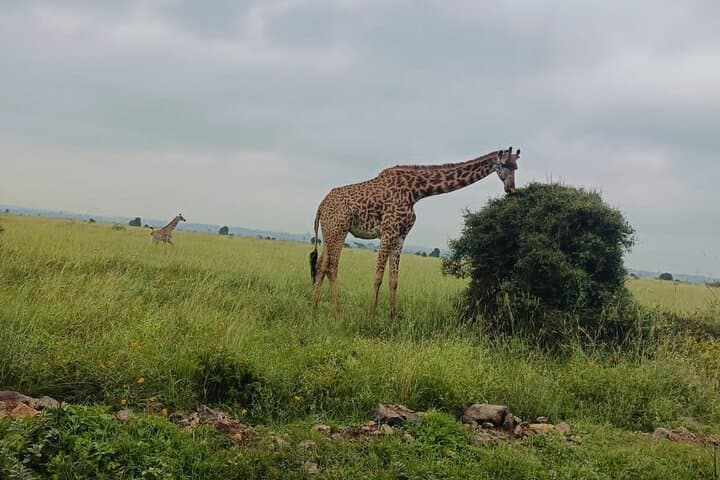
Expect wildlife encounters from a distance: zebra, gazelle, and the occasional warthog; predators are present but seldom encountered on day hikes. Birdlife is prolific; raptors ride the thermals above the crater.
Practical guidance: the trail is steep and rocky in places with roughly 4–6 km of walking depending on how much of the rim you tackle; plan 3–5 hours on foot and 6–8 hours door-to-door with transfers. Start early to avoid mid-day heat, carry 2–3 liters of water, and wear grippy hiking shoes — volcanic talus can be loose. Rest at the designated viewpoints and follow park regulations; guides accompanying private tours know the safer sightlines and best photo angles.
A private pickup from Nairobi smooths logistics, and many groups stop for lunch in Naivasha afterward. The hike rewards steady climbers with a crater-view that insists you keep moving forward.
moderate.
6–8 hours.
Moderate cardiovascular fitness and steady leg strength for sustained uphill and rim walking
From the park gate to the rim is about 4–6 km round trip on a steep, uneven trail; expect 2–4 hours depending on pace and rim walking.
This tour lists Mount Longonot entrance fee as included; confirm with the operator before departure for any recent fee changes.
The route is suitable for many ages but involves steep sections; those with spinal or mobility issues should avoid it and consider shorter viewpoints.
You may spot zebras, gazelles, and various birds; larger predators are present in the region but daytime encounters on the trail are uncommon.
Mount Longonot formed through Holocene volcanic activity; local pastoral communities have long used the slopes for grazing and routes to Naivasha.
Visitors should stick to trails to limit erosion on fragile volcanic soils; the park supports habitat protection and controlled access to reduce human-wildlife conflict.
Wellington Ecotours and Safaris operates guided outdoor trips and adventures with an emphasis on safety, stewardship, and memorable experiences.
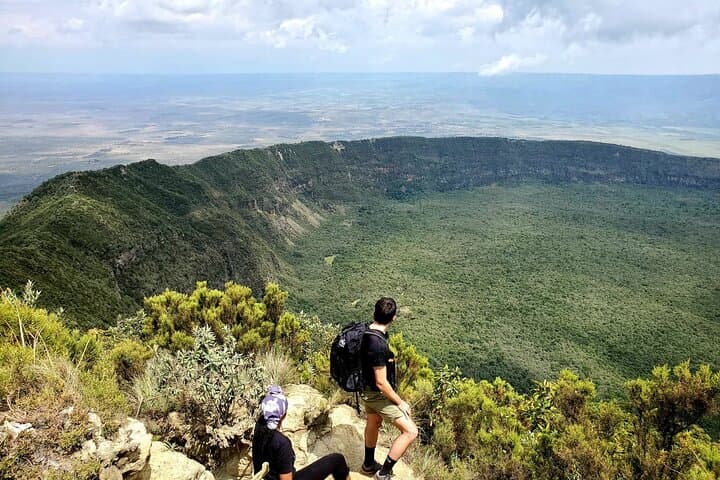

The road out of Nairobi flattens into the Rift Valley and the air lightens — a hint of volcanic stone and scrub. On arrival Mount Longonot fills the horizon: a steep-sided stratovolcanic cone with a green rim and a deep bowl you can peer into from the trail. The hike begins immediately, climbing through acacia and low shrub to a saddle where the crater rim opens like a walking route around a sleeping giant.
The road out of Nairobi flattens into the Rift Valley and the air lightens — a hint of volcanic stone and scrub. On arrival Mount Longonot fills the horizon: a steep-sided stratovolcanic cone with a green rim and a deep bowl you can peer into from the trail. The hike begins immediately, climbing through acacia and low shrub to a saddle where the crater rim opens like a walking route around a sleeping giant.
Geology here is recent and raw. Longonot’s caldera formed from repeated eruptions; the rim offers views across the Great Rift Valley toward Lake Naivasha and the escarpment beyond. The park’s cultural layer is pastoral — Maasai and Kalenjin communities have long grazed the grasslands — and colonial-era exploration routes still shape access roads.
Expect wildlife encounters from a distance: zebra, gazelle, and the occasional warthog; predators are present but seldom encountered on day hikes. Birdlife is prolific; raptors ride the thermals above the crater.
Practical guidance: the trail is steep and rocky in places with roughly 4–6 km of walking depending on how much of the rim you tackle; plan 3–5 hours on foot and 6–8 hours door-to-door with transfers. Start early to avoid mid-day heat, carry 2–3 liters of water, and wear grippy hiking shoes — volcanic talus can be loose. Rest at the designated viewpoints and follow park regulations; guides accompanying private tours know the safer sightlines and best photo angles.
A private pickup from Nairobi smooths logistics, and many groups stop for lunch in Naivasha afterward. The hike rewards steady climbers with a crater-view that insists you keep moving forward.