THE ADVENTURE COLLECTIVE® · Independent discovery and booking for outdoor travel

Climb, rappel and hike with AMGA-certified guides on Mount Lemmon and Southern Arizona crags. This guided day out blends technical instruction with desert-to-pine mountain scenery for half- and full-day adventures.
Climb, rappel and hike with AMGA-certified guides on Mount Lemmon and Southern Arizona crags. This guided day out blends technical instruction with desert-to-pine mountain scenery for half- and full-day adventures.
The day opens on the shoulder of the Santa Catalina Mountains: scrub pines creak as a cool wind moves downhill, rock faces gleam with morning light, and the desert below seems to hold its breath. Guides brief the group, check harnesses, and point to the line where cliff and sky meet — the route to climb, the crack to descend, the slot canyon to thread.
Verified experiences and guided adventures in the surrounding area.
Operated by Arizona Climbing Guides · Mount Lemmon, Arizona
The day opens on the shoulder of the Santa Catalina Mountains: scrub pines creak as a cool wind moves downhill, rock faces gleam with morning light, and the desert below seems to hold its breath. Guides brief the group, check harnesses, and point to the line where cliff and sky meet — the route to climb, the crack to descend, the slot canyon to thread.
Southern Arizona’s ranges are products of uplift and erosion. Granite and volcanic tuff on Mount Lemmon and the nearby Cochise Stronghold show vertical faces carved by faulting and weathering; those same forces formed narrow canyons that now challenge canyoneers. Indigenous peoples and later miners have left cultural marks here — look for historic mining roads and listen for local stories your guide shares.
Expect a mix of low-angle slab, bolted sport lines, short trad pitches and tight canyon rappel stations. The terrain alternates desert scrub, pine pockets at higher elevation, and rocky gullies where water once ran hard enough to cut stone. Wildlife moves quietly: a raven studies you from a juniper while javelina root in the wash below.
Practical edge: operators follow AMGA standards and provide technical gear, but climbers should arrive hydrated, with layered clothing for temperature swings and shoes that grip both rock and talus. Half-day and full-day options are common; weather can change fast at elevation, so start early. Ropes, helmets and instruction are included — bring durable footwear, a filled hydration system and a readiness to learn rope skills on real rock.
moderate.
3–8 hours.
Moderate cardiorespiratory fitness and comfort on uneven terrain; ability to handle repeated short climbs and rappels.
No — guides provide instruction for beginners and tailor routes to ability, though basic fitness and comfort with exposure help.
Ropes, helmets, harnesses and other technical gear are supplied by the operator; personal shoes and clothing are not included.
Meet-up is typically at le Buzz Caffe Bistro at the start of Mount Lemmon Highway for Lemmon trips; guides will provide exact meeting points for other areas like Cochise Stronghold.
Yes — operators monitor conditions and will cancel for lightning, heavy rain, or unsafe wind; cancel at least 24 hours for a full refund per policy.
The Santa Catalina range has long importance to Indigenous peoples and later miners; many trails follow old access roads and historical alignments.
The Sonoran Desert and sky island ecosystems are fragile—stay on established routes, carry out all waste, and avoid trampling cryptobiotic soils.
Arizona Climbing Guides operates guided outdoor trips and adventures with an emphasis on safety, stewardship, and memorable experiences.
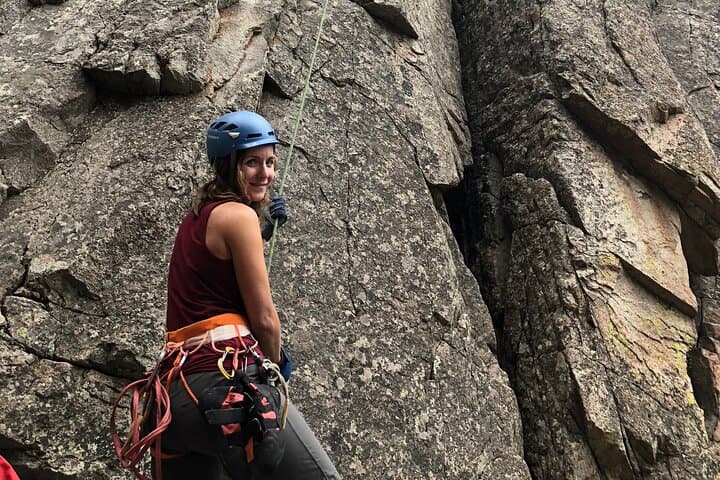
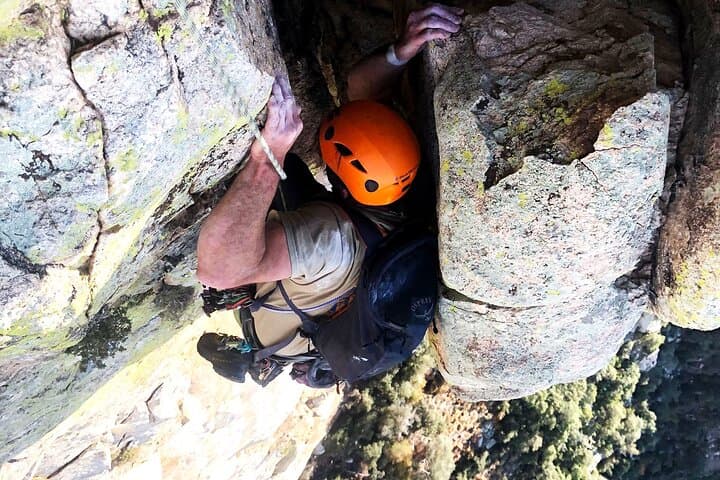
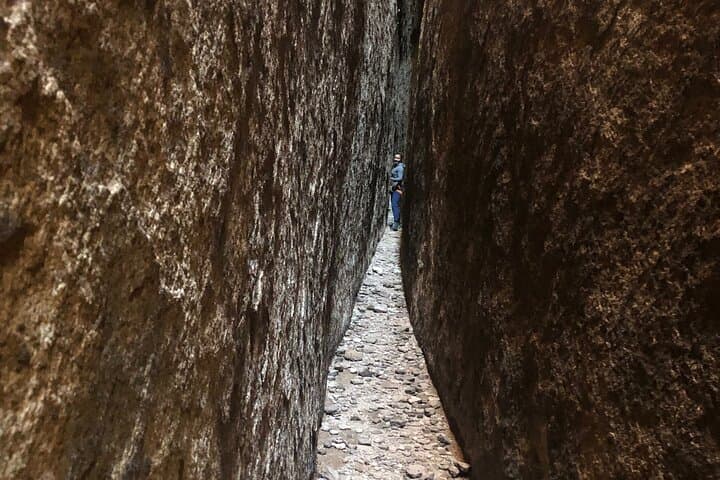
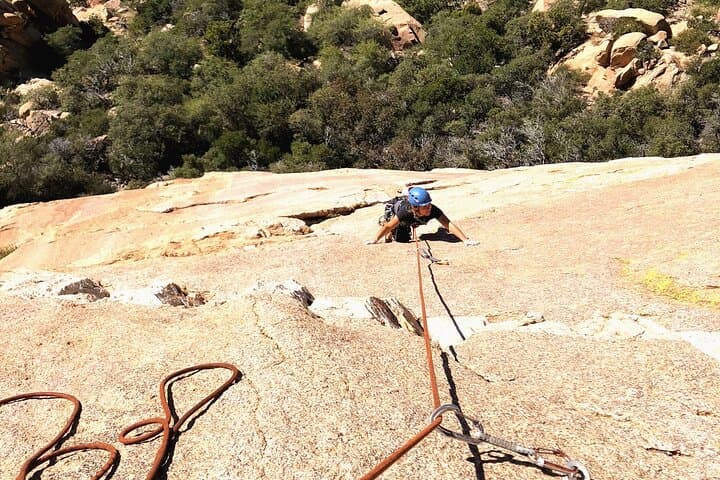
The day opens on the shoulder of the Santa Catalina Mountains: scrub pines creak as a cool wind moves downhill, rock faces gleam with morning light, and the desert below seems to hold its breath. Guides brief the group, check harnesses, and point to the line where cliff and sky meet — the route to climb, the crack to descend, the slot canyon to thread.
The day opens on the shoulder of the Santa Catalina Mountains: scrub pines creak as a cool wind moves downhill, rock faces gleam with morning light, and the desert below seems to hold its breath. Guides brief the group, check harnesses, and point to the line where cliff and sky meet — the route to climb, the crack to descend, the slot canyon to thread.
Southern Arizona’s ranges are products of uplift and erosion. Granite and volcanic tuff on Mount Lemmon and the nearby Cochise Stronghold show vertical faces carved by faulting and weathering; those same forces formed narrow canyons that now challenge canyoneers. Indigenous peoples and later miners have left cultural marks here — look for historic mining roads and listen for local stories your guide shares.
Expect a mix of low-angle slab, bolted sport lines, short trad pitches and tight canyon rappel stations. The terrain alternates desert scrub, pine pockets at higher elevation, and rocky gullies where water once ran hard enough to cut stone. Wildlife moves quietly: a raven studies you from a juniper while javelina root in the wash below.
Practical edge: operators follow AMGA standards and provide technical gear, but climbers should arrive hydrated, with layered clothing for temperature swings and shoes that grip both rock and talus. Half-day and full-day options are common; weather can change fast at elevation, so start early. Ropes, helmets and instruction are included — bring durable footwear, a filled hydration system and a readiness to learn rope skills on real rock.