THE ADVENTURE COLLECTIVE® · Independent discovery and booking for outdoor travel

A fast-paced, hut-to-hut ascent of Kilimanjaro via the Marangu Route—five days of forest, moorland and an alpine desert that culminates at Uhuru Peak. Read on for terrain notes, acclimatization advice and what to expect from the unique hut system.
A fast-paced, hut-to-hut ascent of Kilimanjaro via the Marangu Route—five days of forest, moorland and an alpine desert that culminates at Uhuru Peak. Read on for terrain notes, acclimatization advice and what to expect from the unique hut system.
Night at the Mandara Hut smells of boiling tea and damp canvas; above, Kilimanjaro breathes cold air down the flanks as porters stoke the stove. On the Marangu route you start in montane forest, move through heather and giant lobelia, and push into an alpine desert that will test lungs and resolve before Uhuru Peak reveals itself.
Verified experiences and guided adventures in the surrounding area.
Operated by PINNACLE ADVENTURES & SAFARIS LTD. · Moshi, Kilimanjaro Region
Night at the Mandara Hut smells of boiling tea and damp canvas; above, Kilimanjaro breathes cold air down the flanks as porters stoke the stove. On the Marangu route you start in montane forest, move through heather and giant lobelia, and push into an alpine desert that will test lungs and resolve before Uhuru Peak reveals itself.
The mountain is an ancient stratovolcano—Kibo, Mawenzi and Shira—carved by ice and time, and the route follows trails used for generations by the Chagga people and early explorers. The huts system on Marangu is unique on Kilimanjaro: dormitory-style beds replace camping gear, a logistical holdover that changed how trekkers approach acclimatization and comfort.
Nature here takes character: the forest murmurs and the moorland dares you to keep moving; the wind along the saddle seems to push you along the ridge. Wildlife is subtle—blue monkeys and black-and-white colobus in the lower zones, sun-bleached moss and resilient alpine plants higher up.
Practical side: the itinerary packs five days with one steep summit night—plan for slow pacing, hydrate often, and treat the Horombo acclimatization window seriously. Expect cold nights, simple hot meals cooked by your crew, and radio-equipped huts. Bring layered clothing for altitude swings, a reliable headlamp for the predawn summit push, and boots with firm ankle support. Summit success is about pacing and acclimatization as much as fitness; respect the park rules, listen to guides, and leave no trace of your passage down the mountain.
challenging.
5 days.
Good aerobic base plus hiking fitness for long days and steep ascent; ability to sleep and eat at altitude helps.
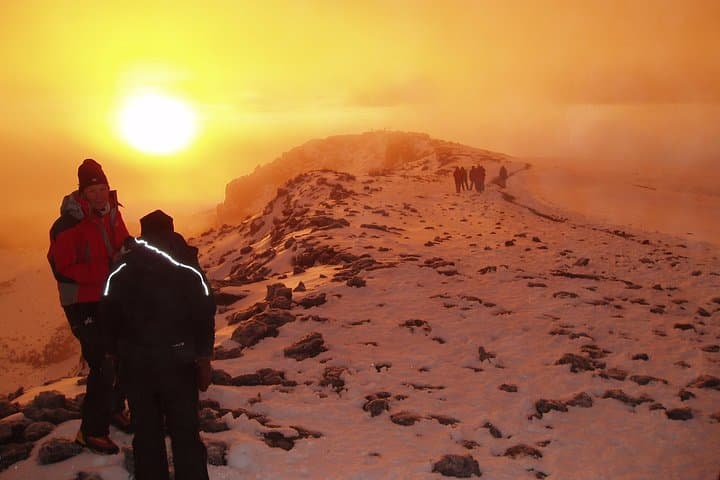
No technical climbing is required on the Marangu route; the summit is a strenuous hike over loose rock and scree rather than a technical climb.
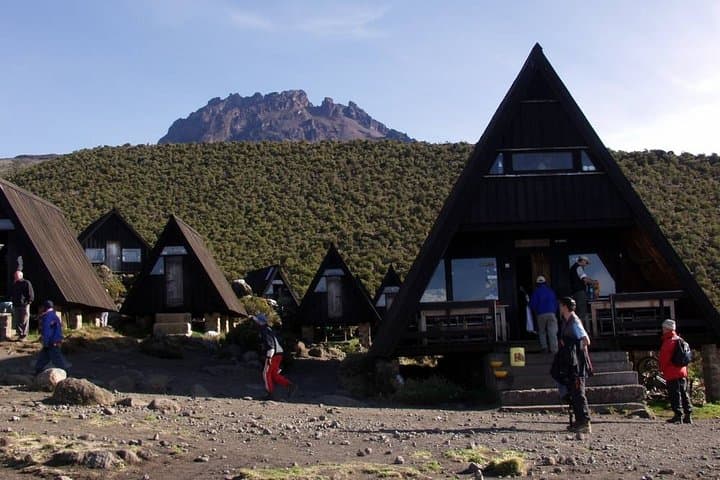
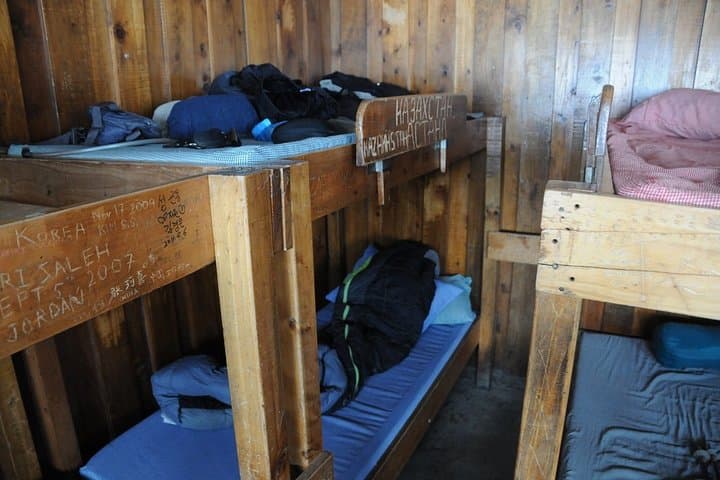
Yes—Marangu is the only main route with hut dormitories and mattresses at Mandara, Horombo and Kibo huts.
Tanzania National Parks (KINAPA) requires permits and it is mandatory to climb with licensed guides and porters—these are included in organized 5-day packages.
The 5-day schedule is feasible but tight; adding an acclimatization day improves success rates. Fitness, pacing and altitude response determine outcomes.
Kilimanjaro’s peaks are remnants of volcanic activity; the Marangu trail has long been used by the local Chagga community and later formalized into hut-based trekking.
Kilimanjaro National Park enforces permits, registered guides and waste rules—support local porters and carry out all non-biodegradable trash to reduce impact.
PINNACLE ADVENTURES & SAFARIS LTD. operates guided outdoor trips and adventures with an emphasis on safety, stewardship, and memorable experiences.
Night at the Mandara Hut smells of boiling tea and damp canvas; above, Kilimanjaro breathes cold air down the flanks as porters stoke the stove. On the Marangu route you start in montane forest, move through heather and giant lobelia, and push into an alpine desert that will test lungs and resolve before Uhuru Peak reveals itself.
Night at the Mandara Hut smells of boiling tea and damp canvas; above, Kilimanjaro breathes cold air down the flanks as porters stoke the stove. On the Marangu route you start in montane forest, move through heather and giant lobelia, and push into an alpine desert that will test lungs and resolve before Uhuru Peak reveals itself.
The mountain is an ancient stratovolcano—Kibo, Mawenzi and Shira—carved by ice and time, and the route follows trails used for generations by the Chagga people and early explorers. The huts system on Marangu is unique on Kilimanjaro: dormitory-style beds replace camping gear, a logistical holdover that changed how trekkers approach acclimatization and comfort.
Nature here takes character: the forest murmurs and the moorland dares you to keep moving; the wind along the saddle seems to push you along the ridge. Wildlife is subtle—blue monkeys and black-and-white colobus in the lower zones, sun-bleached moss and resilient alpine plants higher up.
Practical side: the itinerary packs five days with one steep summit night—plan for slow pacing, hydrate often, and treat the Horombo acclimatization window seriously. Expect cold nights, simple hot meals cooked by your crew, and radio-equipped huts. Bring layered clothing for altitude swings, a reliable headlamp for the predawn summit push, and boots with firm ankle support. Summit success is about pacing and acclimatization as much as fitness; respect the park rules, listen to guides, and leave no trace of your passage down the mountain.