THE ADVENTURE COLLECTIVE® · Independent discovery and booking for outdoor travel

A brisk half‑day hike from Nyabarongo to the summit of Mount Kigali blends farmland paths, riverside birdsong and city views. Finish with a choice of an adrenaline activity—zipline, archery or a café‑side rest—on the highest hill in Kigali.
A brisk half‑day hike from Nyabarongo to the summit of Mount Kigali blends farmland paths, riverside birdsong and city views. Finish with a choice of an adrenaline activity—zipline, archery or a café‑side rest—on the highest hill in Kigali.
You step off the minivan into humid air scented with wet soil and roasting coffee; the city noise loosens as a narrow footpath climbs through sugarcane and banana terraces toward the crest of Mount Kigali.
Verified experiences and guided adventures in the surrounding area.
Operated by Rwagasabo Safaris · Kigali, Kigali
You step off the minivan into humid air scented with wet soil and roasting coffee; the city noise loosens as a narrow footpath climbs through sugarcane and banana terraces toward the crest of Mount Kigali.
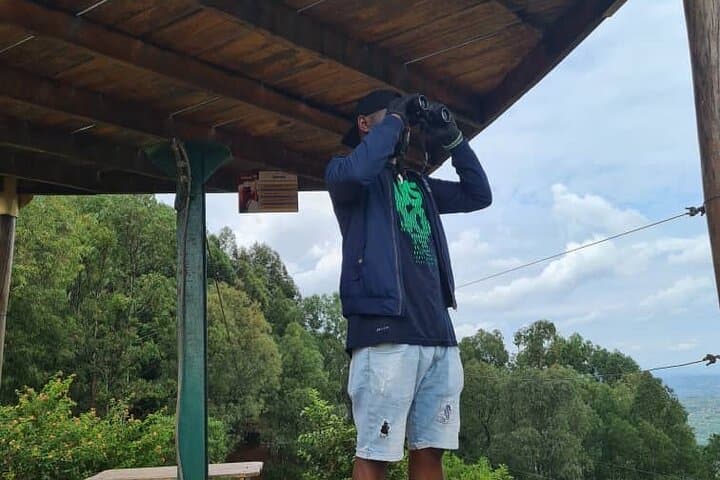
From the Nyabarongo wetland the trail winds past small farms and reedbeds where birds call insistently; the hill feels alive, pushing and pulling you upward while the river dares you to look back at the spreading city below. Kigali’s name comes from this high point — a geographic anchor around which neighborhoods grew — and the summit still offers commanding views of both urban blocks and cultivated valley.
Geologically the hill is part of Rwanda’s central plateau: rounded, volcanic‑derived ridges with clay-rich soils that support intensive smallholder agriculture. Culturally the route threads through everyday life — market gardens, local houses, and community coffee stalls — giving a clear snapshot of Rwandan urban‑periphery living.
Practical guidance: plan a half‑day (3–5 hours) with steady hiking shoes and a light rain shell; the climb is steady but not technical, and the top hosts a café, toilets, and organized activities such as a single included recreational option (zipline or archery). If you take extra activities you’ll pay locally. Water, sun protection, and modest clothing are advised for walking through neighborhoods. Aim to start early for cooler air, fewer crowds, and clearer views — and leave no trace: the wetland and trails are fragile and vital to Kigali’s drainage.
moderate.
3–5 hours.
Suitable for people with regular walking fitness; the climb is sustained but non-technical, with short steeper sections.
The tour runs about 3–5 hours total; the ascent is steady with some steep stretches but no technical climbing—reasonable fitness and good shoes are sufficient.
The base price includes one activity among options available at the summit; additional activities or extra rides are paid locally.
Private pickup and drop‑off in Kigali are offered as part of the tour; confirm pickup point during booking.
Yes — there are restroom facilities and a café/restaurant at the summit where you can buy coffee and snacks.
Kigali took its name from the hill; Mount Kigali has long been a reference point for settlement and later urban expansion, linking city life to surrounding agricultural communities.
The Nyabarongo wetland and hill slopes help regulate runoff and biodiversity—stay on trails, dispose of waste properly, and avoid disturbing farmland to protect these systems.
Rwagasabo Safaris operates guided outdoor trips and adventures with an emphasis on safety, stewardship, and memorable experiences.



You step off the minivan into humid air scented with wet soil and roasting coffee; the city noise loosens as a narrow footpath climbs through sugarcane and banana terraces toward the crest of Mount Kigali.
You step off the minivan into humid air scented with wet soil and roasting coffee; the city noise loosens as a narrow footpath climbs through sugarcane and banana terraces toward the crest of Mount Kigali.
From the Nyabarongo wetland the trail winds past small farms and reedbeds where birds call insistently; the hill feels alive, pushing and pulling you upward while the river dares you to look back at the spreading city below. Kigali’s name comes from this high point — a geographic anchor around which neighborhoods grew — and the summit still offers commanding views of both urban blocks and cultivated valley.
Geologically the hill is part of Rwanda’s central plateau: rounded, volcanic‑derived ridges with clay-rich soils that support intensive smallholder agriculture. Culturally the route threads through everyday life — market gardens, local houses, and community coffee stalls — giving a clear snapshot of Rwandan urban‑periphery living.
Practical guidance: plan a half‑day (3–5 hours) with steady hiking shoes and a light rain shell; the climb is steady but not technical, and the top hosts a café, toilets, and organized activities such as a single included recreational option (zipline or archery). If you take extra activities you’ll pay locally. Water, sun protection, and modest clothing are advised for walking through neighborhoods. Aim to start early for cooler air, fewer crowds, and clearer views — and leave no trace: the wetland and trails are fragile and vital to Kigali’s drainage.