THE ADVENTURE COLLECTIVE® · Independent discovery and booking for outdoor travel

Push from forested Naro Moru into alpine moorland and stand on Point Lenana at 4,985 m after a pre-dawn summit. This five-day Naro Moru–Sirimon traverse combines acclimatization, varied terrain, and expert guides for a classic Mount Kenya crossing.
Push from forested Naro Moru into alpine moorland and stand on Point Lenana at 4,985 m after a pre-dawn summit. This five-day Naro Moru–Sirimon traverse combines acclimatization, varied terrain, and expert guides for a classic Mount Kenya crossing.
A thin moon watches as headlamps thread their way across frozen scree; by sunrise the ridge sharpens and Point Lenana blooms into a wide, wind-carved panorama. This five-day traverse starts at Naro Moru, climbs through bamboo and Hagenia forest to alpine moorland, and finishes down the Sirimon flank — a route that reveals Mount Kenya’s changing faces in compact succession.
Verified experiences and guided adventures in the surrounding area.
Operated by Adventure Alternative · Naro Moru, Nyeri County
A thin moon watches as headlamps thread their way across frozen scree; by sunrise the ridge sharpens and Point Lenana blooms into a wide, wind-carved panorama. This five-day traverse starts at Naro Moru, climbs through bamboo and Hagenia forest to alpine moorland, and finishes down the Sirimon flank — a route that reveals Mount Kenya’s changing faces in compact succession.
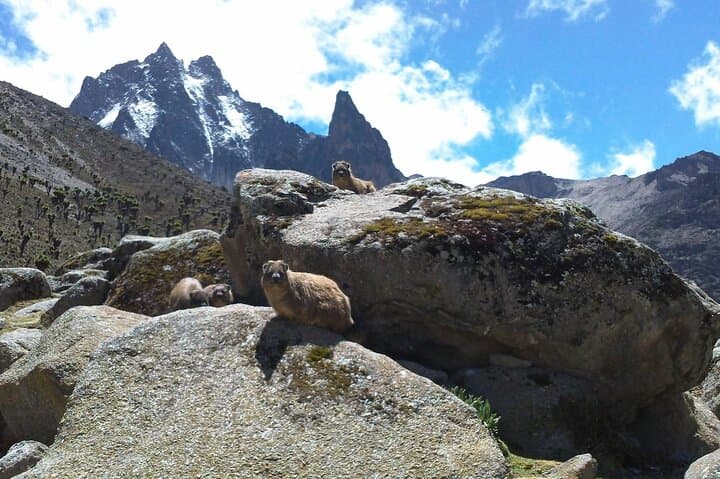
Geology here is blunt and ancient: a collapsed volcanic dome ringed by jagged peaks and glaciers that carved the Teleki and Lewis valleys. The mountain’s high moor supports Giant Lobelia and Senecio species unique to equatorial alpine zones; lower slopes hold hardwood forest used by Kikuyu and Meru communities for grazing and cultural rites for centuries.
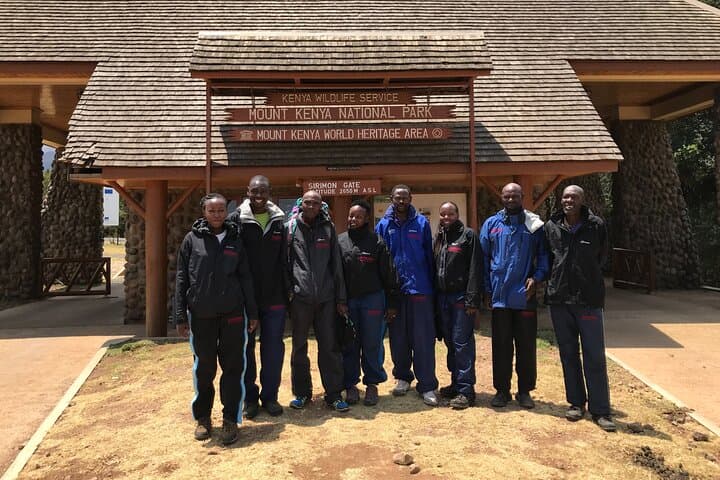
Expect variety: shaded forest tracks with soft leaf litter, boggy heath and eroded moraine, then steep, sometimes icy scree on summit night. Guides manage camps, meals and safety; porters reduce pack weight so walkers can focus on rhythm and breathing. Altitude is the main objective hazard — the itinerary builds acclimatization with a day hike to tarns before the pre-dawn push to 4,985 m.
Practical edge: plan sturdy, broken-in boots with ankle support, layered insulation for night winds, and a reliable headlamp. Hydrate consistently and carry electrolytes; walk slow on summit night and use poles on descents. Transfers to and from Nairobi are included, but carry spare cash for park fees and tips. With preparation this route rewards with raw, high-alpine views and a true multi-day mountain experience on Kenya’s highest trekking peak.
challenging.
5 days.
Requires a high level of cardiovascular fitness and experience with full-day mountain hikes; comfortable with long days at altitude.
The summit night is long and steep but non-technical; frozen scree and short scrambling sections require good fitness, steady pacing and warm layers.
Entrance and camping fees on Mount Kenya National Park are included in this itinerary, but bring small cash for incidental park charges or tips.
Drier months from January–March and June–September offer more stable weather and clearer summit visibility, while the long rains (March–May) make tracks boggier.
Prior high-altitude trekking experience is recommended; the trip includes acclimatization but still reaches nearly 5,000 m and demands good fitness.
Mount Kenya has cultural significance to local Kikuyu communities and was first circumnavigated by early European explorers; its glaciers record climatic shifts over centuries.
Mount Kenya National Park protects endemic alpine plants and shrinking glaciers; trekkers should stick to established tracks, pack out waste and respect camp guidelines to limit impact.
Adventure Alternative operates guided outdoor trips and adventures with an emphasis on safety, stewardship, and memorable experiences.
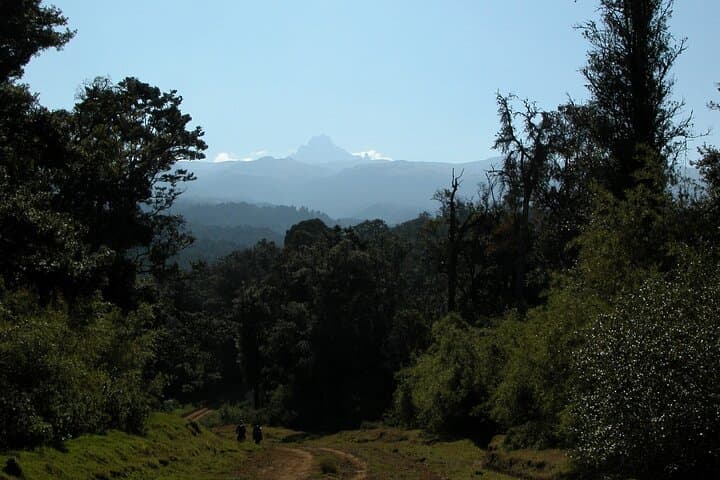
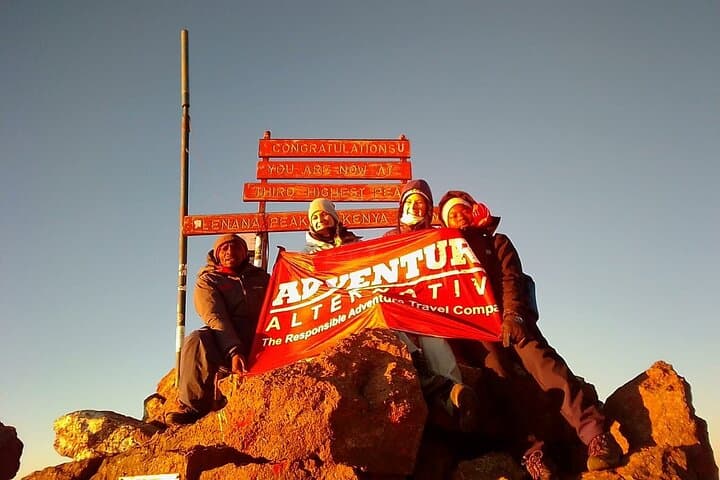
A thin moon watches as headlamps thread their way across frozen scree; by sunrise the ridge sharpens and Point Lenana blooms into a wide, wind-carved panorama. This five-day traverse starts at Naro Moru, climbs through bamboo and Hagenia forest to alpine moorland, and finishes down the Sirimon flank — a route that reveals Mount Kenya’s changing faces in compact succession.
A thin moon watches as headlamps thread their way across frozen scree; by sunrise the ridge sharpens and Point Lenana blooms into a wide, wind-carved panorama. This five-day traverse starts at Naro Moru, climbs through bamboo and Hagenia forest to alpine moorland, and finishes down the Sirimon flank — a route that reveals Mount Kenya’s changing faces in compact succession.
Geology here is blunt and ancient: a collapsed volcanic dome ringed by jagged peaks and glaciers that carved the Teleki and Lewis valleys. The mountain’s high moor supports Giant Lobelia and Senecio species unique to equatorial alpine zones; lower slopes hold hardwood forest used by Kikuyu and Meru communities for grazing and cultural rites for centuries.
Expect variety: shaded forest tracks with soft leaf litter, boggy heath and eroded moraine, then steep, sometimes icy scree on summit night. Guides manage camps, meals and safety; porters reduce pack weight so walkers can focus on rhythm and breathing. Altitude is the main objective hazard — the itinerary builds acclimatization with a day hike to tarns before the pre-dawn push to 4,985 m.
Practical edge: plan sturdy, broken-in boots with ankle support, layered insulation for night winds, and a reliable headlamp. Hydrate consistently and carry electrolytes; walk slow on summit night and use poles on descents. Transfers to and from Nairobi are included, but carry spare cash for park fees and tips. With preparation this route rewards with raw, high-alpine views and a true multi-day mountain experience on Kenya’s highest trekking peak.